
What's inside
What's inside
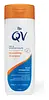 Key Ingredients
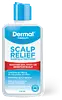
Benefits
Concerns
Ingredients Side-by-side
Water
Skin ConditioningTea-Lauryl Sulfate
Cleansing
Glycerin
Humectant


Disodium Laureth Sulfosuccinate
CleansingSodium Lauryl Sulfoacetate
CleansingDisodium Cocoamphodiacetate
CleansingLauryl Betaine
CleansingGlycol Stearate
Emollient

Glycolic Acid
Buffering









Butylene Glycol
Humectant
Panthenol
Skin Conditioning

Sodium Sulfate
Sodium Chloride
MaskingHydroxypropyl Methylcellulose
Emulsion StabilisingMethylparaben
Preservative



Guar Hydroxypropyltrimonium Chloride
Skin ConditioningPropylparaben
Preservative
Disodium EDTA
ChelatingWater, Tea-Lauryl Sulfate, Glycerin, Disodium Laureth Sulfosuccinate, Sodium Lauryl Sulfoacetate, Disodium Cocoamphodiacetate, Lauryl Betaine, Glycol Stearate, Glycolic Acid, Butylene Glycol, Panthenol, Sodium Sulfate, Sodium Chloride, Hydroxypropyl Methylcellulose, Methylparaben, Guar Hydroxypropyltrimonium Chloride, Propylparaben, Disodium EDTA
Water
Skin ConditioningSodium C14-16 Olefin Sulfonate
Cleansing
Cocamide Mea
Emulsifying
Cocamidopropyl Betaine
Cleansing
Urea
Buffering
Colloidal Oatmeal
Absorbent
Amodimethicone

Acrylates Copolymer
Piroctone Olamine
Preservative
Allantoin
Skin Conditioning
Hydroxypropyl Starch Phosphate
Guar Hydroxypropyltrimonium Chloride
Skin ConditioningCetrimonium Chloride
Antimicrobial
Trideceth-12
EmulsifyingTrisodium Ethylenediamine Disuccinate
ChelatingPhenoxyethanol
Preservative
Citric Acid
Buffering
Sodium Chloride
MaskingSodium Hydroxide
BufferingWater, Sodium C14-16 Olefin Sulfonate, Cocamide Mea, Cocamidopropyl Betaine, Urea, Colloidal Oatmeal, Amodimethicone, Acrylates Copolymer, Piroctone Olamine, Allantoin, Hydroxypropyl Starch Phosphate, Guar Hydroxypropyltrimonium Chloride, Cetrimonium Chloride, Trideceth-12, Trisodium Ethylenediamine Disuccinate, Phenoxyethanol, Citric Acid, Sodium Chloride, Sodium Hydroxide
Ingredients Explained
These ingredients are found in both products.
Ingredients higher up in an ingredient list are typically present in a larger amount.
This ingredient is derived from guar gum. It is a skin conditioning agent that creates a thin, breathable film to reduce water loss during cleansing.
This leaves the skin feeling soft rather than stripped and also contributes to a creamier lather.
Due to the large molecule size, this ingredient is unlikely to penetrate skin.
Learn more about Guar Hydroxypropyltrimonium ChlorideChances are, you eat sodium chloride every day. Sodium Chloride is also known as table salt. This ingredient has many purposes in skincare: thickener, emulsifier, and exfoliator.
You'll most likely find this ingredient in cleansers where it is used to create a gel-like texture. As an emulsifier, it also prevents ingredients from separating.
You might see people debate whether Sodium Chloride is comedogenic, but there actually haven't been any comedogenic tests done on it. Either way, the overall formulation of a product matters a lot more than any single ingredient.
You might see this ingredient used in scrubs as a primary exfoliating ingredient.
Learn more about Sodium ChlorideWater. It's the most common cosmetic ingredient of all. You'll usually see it at the top of ingredient lists, meaning that it makes up the largest part of the product.
So why is it so popular? Water most often acts as a solvent - this means that it helps dissolve other ingredients into the formulation.
You'll also recognize water as that liquid we all need to stay alive. If you see this, drink a glass of water. Remember to stay hydrated!
Learn more about Water

