

What's inside
What's inside
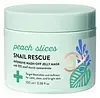 Key Ingredients
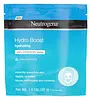
Benefits
Concerns
No concerns
Ingredients Side-by-side
Snail Secretion Filtrate
Skin Conditioning





Ammonium Acryloyldimethyltaurate/Beheneth-25 Methacrylate Crosspolymer
Emulsion Stabilising1,2-Hexanediol
Skin Conditioning
Centella Asiatica Extract
Cleansing

Glycyrrhiza Glabra Root Extract
Bleaching

Hydrolyzed Hyaluronic Acid
Humectant
Sodium Hyaluronate
Humectant
Hyaluronic Acid
Humectant
Water
Skin ConditioningFragaria Chiloensis Fruit Extract
Skin Conditioning
Sodium Polyacrylate Starch
AbsorbentBetula Alba Juice
AstringentPropanediol
Solvent
Butylene Glycol
Humectant
Disodium EDTA
Phenoxyethanol
Preservative
Snail Secretion Filtrate, Ammonium Acryloyldimethyltaurate/Beheneth-25 Methacrylate Crosspolymer, 1,2-Hexanediol, Centella Asiatica Extract, Glycyrrhiza Glabra Root Extract, Hydrolyzed Hyaluronic Acid, Sodium Hyaluronate, Hyaluronic Acid, Water, Fragaria Chiloensis Fruit Extract, Sodium Polyacrylate Starch, Betula Alba Juice, Propanediol, Butylene Glycol, Disodium EDTA, Phenoxyethanol
Water
Skin ConditioningDipropylene Glycol
HumectantPropanediol
Solvent
Ceratonia Siliqua Gum
EmollientXanthan Gum
EmulsifyingChondrus Crispus Extract
Skin Conditioning
Chlorphenesin
Antimicrobial
PEG-60 Hydrogenated Castor Oil
Emulsifying

Phenoxyethanol
Preservative
Potassium Chloride
Parfum
Masking



Disodium EDTA
Hydrolyzed Hyaluronic Acid
Humectant
Tremella Fuciformis Sporocarp Extract
Antioxidant
Plukenetia Volubilis Seed Oil
Emollient
Sucrose Cocoate
Emulsifying

Tocopherol
Antioxidant
Blue 1 Lake
Cosmetic ColorantWater, Dipropylene Glycol, Propanediol, Ceratonia Siliqua Gum, Xanthan Gum, Chondrus Crispus Extract, Chlorphenesin, PEG-60 Hydrogenated Castor Oil, Phenoxyethanol, Potassium Chloride, Parfum, Disodium EDTA, Hydrolyzed Hyaluronic Acid, Tremella Fuciformis Sporocarp Extract, Plukenetia Volubilis Seed Oil, Sucrose Cocoate, Tocopherol, Blue 1 Lake
Reviews
Ingredients Explained
These ingredients are found in both products.
Ingredients higher up in an ingredient list are typically present in a larger amount.
Disodium EDTA is a chelating agent. It grabs onto and deactivates metal ions that sneak into your products from water, packaging, or air.
This ingredient mainly works behind the scenes and helps with:
On top of that, this ingredient can counteract the effects of hard water by binding to the minerals in it.
One thing worth knowing is that Disodium EDTA has been shown to be a mild penetration enhancer. It can help other ingredients absorb into skin more effectively which can be a double-edged sword (great for actives, but can also make the active too strong if you have sensitive skin).
Clinical patch testing showed no significant skin irritation at typical use concentrations and minimal dermal absorption.
You'll most likely see this ingredient near the end of an ingredient list. It's typically found in concentrations less than 1%.
Learn more about Disodium EDTAHydrolyzed Hyaluronic Acid is hyaluronic acid (HA) that is broken down into lower molecular weight fragments.
It's a humectant that pulls and holds water in the skin to help with hydration, plumpness, and reduce transepidermal water loss.
Because hydrolyzed hyaluronic acid is smaller in size, it can slip past your outermost layer of skin more easily than full-sized HA.
Most formulations will combine all sizes to get the best of both worlds.
Typical usage levels range from 0.01-1%. Any percentage higher than 2% might become goopy and tacky.
Learn more about Hydrolyzed Hyaluronic AcidPhenoxyethanol is a preservative that has germicide, antimicrobial, and aromatic properties. Studies show that phenoxyethanol can prevent microbial growth. By itself, it has a scent that is similar to that of a rose.
It's often used in formulations along with Caprylyl Glycol to preserve the shelf life of products.
Propanediol is an all-star ingredient. It softens, hydrates, and smooths the skin.
It’s often used to:
Propanediol is not likely to cause sensitivity and considered safe to use. It is derived from corn or petroleum with a clear color and no scent.
Learn more about PropanediolWater. It's the most common cosmetic ingredient of all. You'll usually see it at the top of ingredient lists, meaning that it makes up the largest part of the product.
So why is it so popular? Water most often acts as a solvent - this means that it helps dissolve other ingredients into the formulation.
You'll also recognize water as that liquid we all need to stay alive. If you see this, drink a glass of water. Remember to stay hydrated!
Learn more about Water
