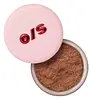
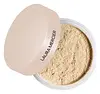
One/Size by Patrick Starrr Ultimate Blurring Setting Powder Versus Laura Mercier Ultra Blur Translucent Lose Setting Powder


What's inside
What's inside
 Key Ingredients
Benefits
Concerns
Ingredients Side-by-side
Talc
Abrasive
Calcium Aluminum Borosilicate
Magnesium Myristate


Nylon-12


Caprylic/Capric Triglyceride
Masking


Ethylhexyl Palmitate
Emollient


Zea Mays Starch
Absorbent
Phenoxyethanol
Preservative
Caprylyl Glycol
Emollient
Lauroyl Lysine
Skin Conditioning
Sodium Dehydroacetate
Preservative
Trimethylsiloxysilicate
Emollient
Polymethyl Methacrylate
Ascorbyl Palmitate
Antioxidant



Methicone
Emollient
Iron Oxides
CI 19140
Cosmetic ColorantCI 77007
Cosmetic ColorantTalc, Calcium Aluminum Borosilicate, Magnesium Myristate, Nylon-12, Caprylic/Capric Triglyceride, Ethylhexyl Palmitate, Zea Mays Starch, Phenoxyethanol, Caprylyl Glycol, Lauroyl Lysine, Sodium Dehydroacetate, Trimethylsiloxysilicate, Polymethyl Methacrylate, Ascorbyl Palmitate, Methicone, Iron Oxides, CI 19140, CI 77007
Mica
Cosmetic ColorantLauroyl Lysine
Skin Conditioning
Zinc Stearate
Cosmetic ColorantAluminum Starch Octenylsuccinate
Absorbent
Silica
Abrasive
C13-15 Alkane
SolventEthylhexylglycerin
Skin ConditioningHelianthus Annuus Seed Oil
Emollient
Tocopherol
Antioxidant



Sodium Hyaluronate
Humectant
Sorbic Acid
Preservative
Blue 1 Lake
Cosmetic ColorantIron Oxides
CI 77742
Cosmetic ColorantCI 15850
Cosmetic ColorantCI 77891
Cosmetic ColorantCI 77007
Cosmetic ColorantCI 19140
Cosmetic Colorant
Reviews
Ingredients Explained
These ingredients are found in both products.
Ingredients higher up in an ingredient list are typically present in a larger amount.
CI 19140 is also known as Tartrazine. Tartrazine is a synthetic dye used in cosmetics, foods, and medicine to add a yellow color.
Tartrazine is created from petroleum and is water-soluble.
Some people may experience allergies from this dye, especially asthmatics and those with an aspirin intolerance.
Learn more about CI 19140This pigment is called Ultramarine blue lazurite. It gives a saturated blue color, but can be used to create other colors as well.
According to the manufacturer, it is usually made from kaolin, sodium sulfate, sodium carbonate, sulfur, and charcoal.
This ingredient comes from a fatty acid (lauric acid) and amino acid (lysine). It is used to add a silky feel to cosmetics.
According to a manufacturer, its fatty acid base leaves a silky feeling on the skin. It also has emollient properties because of this. Emollients help soften skin by preventing water from evaporating.
Lauroyl lysine is barely soluble in water.
Learn more about Lauroyl LysineThis ingredient is a combination of red, black, and yellow iron oxide pigments. This combination of colors is usually found in foundation, because it results in a "skin" color.
The EU typically uses CI numbers for colorants when applicable, such as CI 77489. In the US, iron oxides are regulated as color additives and "iron oxides" is the most commonly used name in US cosmetic practice.
A 2021 paper looked at skincare formulations containing iron oxides and found that they reduced transmission of blue light when measured optically. In simple terms, the pigment particles helped block or scatter part of the visible light spectrum in lab testing and the authors suggest this could translate into better protection against blue-light-related skin effects.
There is also clinical and experimental research showing that tinted products containing iron oxides can reduce visible light-induced pigmentation:
Please note, whether a product reduces visible or blue light depends on things like:
In the EU's CosIng database, iron oxides are only listed as a colorant. CosIng groups ingredients by their main cosmetic role, such as colorant, preservative, or UV filter.
Though studies say iron oxides can "attenuate blue light", they're describing an optical property and not an officially recognized cosmetic function.
So CosIng isn’t contradicting the research. It’s just classifying iron oxides by what they officially are: pigments that add color.
Learn more about Iron Oxides

