
What's inside
What's inside
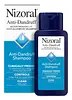 Key Ingredients
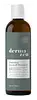
Benefits
Concerns
Ingredients Side-by-side
Ketoconazole 1%
Benzyl Alcohol
Perfuming






BHT
Antioxidant
Blue 1 Lake
Cosmetic ColorantCitric Acid
Buffering


Cocamide Mea
Emulsifying
Parfum
Masking
Glycol Distearate
Emollient
Hydrochloric Acid
BufferingHydroxypropyl Methylcellulose
Emulsion StabilisingPolyquaternium-7
Sodium Chloride
MaskingSodium Cocoyl Sarcosinate
Cleansing
Sodium Hydroxide
BufferingSodium Laureth Sulfate
Cleansing

Tetrasodium EDTA
ChelatingWater
Skin ConditioningWater
Skin ConditioningGlycerin
Humectant


Cocamidopropyl Betaine
Cleansing
Cocamidopropyl Hydroxysultaine
Cleansing
Xylitol
Humectant
Sea Salt
Abrasive
Guar Hydroxypropyltrimonium Chloride
Skin ConditioningVinegar
Aloe Barbadensis Leaf Extract
Emollient

Urtica Dioica Root Extract
Skin ConditioningCamellia Sinensis Leaf Extract
Antimicrobial


Colloidal Oatmeal
Absorbent
Benzyl Alcohol
Perfuming
Salix Alba Bark Extract
Astringent
Ascorbic Acid
Antioxidant

Mentha Piperita Oil
Masking

Melaleuca Alternifolia Leaf Oil
Antioxidant
Rosmarinus Officinalis Leaf Oil
Masking
Citrus Grandis Seed Extract
Astringent
Water, Glycerin, Cocamidopropyl Betaine, Cocamidopropyl Hydroxysultaine, Xylitol, Sea Salt, Guar Hydroxypropyltrimonium Chloride, Vinegar, Aloe Barbadensis Leaf Extract, Urtica Dioica Root Extract, Camellia Sinensis Leaf Extract, Colloidal Oatmeal, Benzyl Alcohol, Salix Alba Bark Extract, Ascorbic Acid, Mentha Piperita Oil, Melaleuca Alternifolia Leaf Oil, Rosmarinus Officinalis Leaf Oil, Citrus Grandis Seed Extract
Reviews
Ingredients Explained
These ingredients are found in both products.
Ingredients higher up in an ingredient list are typically present in a larger amount.
Benzyl Alcohol is an aromatic alcohol with several roles: it's a preservative, solvent, and mild fragrance component with a floral scent.
This ingredient has been deemed safe for use in cosmetic formulations at concentrations up to 5%, and up to 10% in hair dyes. You'll typically see 0.5-2% in most rinse-off or leave-on products.
As a preservative, it works by disrupting the membrane of microbial proteins. This helps keep bacteria and fungi from growing in your products.
The sensitization picture is actually quite assuring as well:of nearly 71,000 patients patch tested with benzyl alcohol, only 0.21% showed a positive reaction with most of them being weakly positive.
This led researchers to conclude that benzyl alcohol cannot be regarded as a significant contact allergen.
It is worth noting this ingredient is classified as one of the EU's regulated fragrance allergens and restricted to 1% in finished products.
Labels must also declare it in concentrations above 0.001% in leave-on products and 0.01% in rinse-off products.
At concentrations around 5%, localized redness and itching can appear as a direct irritant response and not as a true allergic reaction.
Learn more about Benzyl AlcoholWater. It's the most common cosmetic ingredient of all. You'll usually see it at the top of ingredient lists, meaning that it makes up the largest part of the product.
So why is it so popular? Water most often acts as a solvent - this means that it helps dissolve other ingredients into the formulation.
You'll also recognize water as that liquid we all need to stay alive. If you see this, drink a glass of water. Remember to stay hydrated!
Learn more about Water

