This lip moisturizer is formulated around Tocopheryl Acetate and Petrolatum to hydrate lips.


What's inside
What's inside
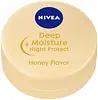 Key Ingredients
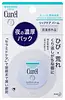
Benefits
Concerns
Ingredients Side-by-side
Tocopheryl Acetate
Antioxidant


Stearyl Glycyrrhetinate
Skin ConditioningPetrolatum
Emollient



Diisostearyl Malate
EmollientDextrin Palmitate
Emulsifying

Paraffinum Liquidum
Emollient
Microcrystalline Wax
Emulsion StabilisingSimmondsia Chinensis Seed Oil
Emollient

Hydrogenated Polybutene
Polyglyceryl-2 Diisostearate
Emulsifying
Beeswax
Emulsion Stabilising

Glycerin
Humectant
Squalane
Emollient
Trehalose
Humectant
Honey
Humectant
Royal Jelly Extract
Skin Conditioning
Butyrospermum Parkii Butter
Skin Conditioning
Paraffin
Skin Conditioning
Dimethicone
Emollient
Phenoxyethanol
Preservative
BHT
Antioxidant
Water
Skin ConditioningAlcohol
Antimicrobial

Parfum
Masking

Tocopheryl Acetate, Stearyl Glycyrrhetinate, Petrolatum, Diisostearyl Malate, Dextrin Palmitate, Paraffinum Liquidum, Microcrystalline Wax, Simmondsia Chinensis Seed Oil, Hydrogenated Polybutene, Polyglyceryl-2 Diisostearate, Beeswax, Glycerin, Squalane, Trehalose, Honey, Royal Jelly Extract, Butyrospermum Parkii Butter, Paraffin, Dimethicone, Phenoxyethanol, BHT, Water, Alcohol, Parfum
Stearyl Glycyrrhetinate
Skin ConditioningPetrolatum
Emollient
Paraffinum Liquidum
Emollient
Hydrogenated Polybutene
Ceresin
Emulsion StabilisingMicrocrystalline Wax
Emulsion StabilisingOctyldodecanol
Emollient
Phytosteryl/Octyldodecyl Lauroyl Glutamate
Skin ConditioningAcetamidophenyl Methoxypropionic Acid
EmollientCetyl-Pg Hydroxyethyl Decanamide
Skin ConditioningSimmondsia Chinensis Seed Oil
Emollient
Ant Egg Oil Extract
Squalane
Emollient
BHT
Antioxidant
Stearyl Glycyrrhetinate, Petrolatum, Paraffinum Liquidum, Hydrogenated Polybutene, Ceresin, Microcrystalline Wax, Octyldodecanol, Phytosteryl/Octyldodecyl Lauroyl Glutamate, Acetamidophenyl Methoxypropionic Acid, Cetyl-Pg Hydroxyethyl Decanamide, Simmondsia Chinensis Seed Oil, Ant Egg Oil Extract, Squalane, BHT
Ingredients Explained
These ingredients are found in both products.
Ingredients higher up in an ingredient list are typically present in a larger amount.
BHT is a synthetic antioxidant and preservative.
As an antioxidant, it helps your body fight off free-radicals. Free-radicals are molecules that may damage your skin cells.
As a preservative, it is used to stabilize products and prevent them from degrading. Specifically, BHT prevents degradation from oxidation.
The concerns related to BHT come from oral studies; this ingredient is currently allowed for use by both the FDA and EU.
However, it was recently restricted for use in the UK as of April 2024.
Learn more about BHTHydrogenated Polybutene is a synthetic polymer. It is used to alter the texture of an ingredient.
Microcrystalline Wax is derived from petroleum through a de-oiling process, then highly refined and purified before use in cosmetics.
In skincare formulations, it is used to improve texture and create a smooth, even consistency. It also helps stabilize products by preventing ingredients from separating.
Paraffinum Liquidum is a highly-refined cosmetic-grade mineral oil. It is also known as liquid paraffin.
Despite its controversial reputation, the science is pretty clear: it's one of the most well-studied and effective moisturizing ingredients out there.
As an occlusive, it forms a protective layer on the skin that locks in moisture and prevents transepidermal water loss (TEWL). This makes it especially great for compromised skin barriers.
The "it clogs your pores" myth has been around for decades; a study found that industrial-grade mineral oil may be comedogenic but cosmetic-grade mineral oil is not (these two are very, very different).
A 2017 review concluded that cosmetic use of mineral oils and waxes does not present a risk to consumers due to absorption.
Mineral oil got a bad rap from the old rabbit ear studies. When tested on actual human skin, cosmetic-grade mineral oil showed no comedogenic activity. The rating of 0 is a correction of outdated science.
Mineral oil is an inert substance with no fatty acids so there's nothing to feed Malassezia. This ingredient is fungal acne safe.
Learn more about Paraffinum LiquidumPetrolatum is more commonly known as petroleum jelly. It is created by mixing waxes and mineral oils.
This ingredient is effective at reducing water loss by 99%. This is because it is an occlusive. Occlusives create a hydrophobic barrier on the skin to prevent evaporation. This property makes it great for hydrating dry skin.
Pro tip: Use occlusives, such as this ingredient, on damp skin for the best results.
The quality or origin of petrolatum is only known when disclosed by the brand. Most cosmetic petrolatum has gone through several purification stages.
Another benefit of occlusives is it protects your skin against infection or allergies.
Petrolatum is fungal acne safe. It is a hydrocarbon with no fatty acid structure, so Malassezia cannot metabolize it. In-vitro studies support negligible growth stimulation as well.
It's also worth noting that petrolatum has a comedogenic rating of 0. In updated rabbit ear testing (and in human testing), petrolatum was found to be not comedogenic. This means it didn’t promote comedone formation in standard models.
Learn more about PetrolatumJojoba oil is one of the most well-studied plant-derived ingredients in cosmetics. It is an emollient with a special structure.
Because it is made up of 97-98% wax esters, it closely mirrors the linear monoesters found in human sebum. This makes it skin compatible, non-greasy, and lightweight.
Unlike other plant oils, jojoba wax doesn't easily penetrate skin. It mostly works in the uppermost layers as an emollient. This just means it forms a light barrier on the skin to help retain moisture.
Formulations with jojoba esters up to 90% reduced transepidermal water loss (TEWL) and increased barrier recovery by 81% (outperforming bisabolol at 47%).
Besides barrier support, the science also suggests jojoba to have anti-inflammatory effects and potential applications for skin infections, aging, and wound healing.
Fun fact: Indigenous cultures have used jojoba as a moisturizer and to help treat burns for centuries.
Fungal acne: The Malassezia yeast is known to metabolize fatty acids in the C11-24 range and jojoba's dominant fatty acid components fall into this range. This ingredient may not be fungal acne safe.
Learn more about Simmondsia Chinensis Seed OilSqualane is the hydrogenated and shelf-stable form of squalene (a lipid that naturally occurs in human sebum).
It is an emollient and skin conditioning agent that is able to integrate seamlessly into the skin's lipid barrier without clogging pores.
This is due to how structurally similar it is to what your skin already produces.
Though it is mostly an emollient that helps soften and hydrate skin, it also has some humectant and occlusive action. Humectants help the skin retain moisture while occlusives seal it in, making squalane a triple-threat moisturizer.
Research shows it has antioxidant capabilities that help protect against stressors like UV exposure, specifically UVA induced oxidative stress. This study also found that it supports collagen biosynthesis in human dermal fibroblasts.
No clinical study has reported significant adverse effects and irritation reactions are very rare from this ingredient (even at 100% concentration).
Overall, it's a fantastic ingredient for hydration and is suitable for all skin types.
This depends on the source. Squalane can be derived from both plants and animals. Most squalane used in skincare comes from plants.
Please note: the source of squalane is only known if disclosed by the brand. We recommend reaching out to the brand if you have any questions about their squalane.
Read more about squalene with an "e".
Though squalane is often called an oil, it’s technically not one. It is a hydrocarbon, meaning it is only made of carbon and hydrogen. True oils are triglycerides and made of fatty acids and glycerol.
The term “oil-free” isn’t regulated so companies can define it however they want. Some exclude all oils, while others just avoid mineral oil or comedogenic oils.
Squalane has a comedogenic rating of 1 from the original 1972 study that tested raw ingredients under occlusion on rabbit ears. This system is not standardized or peer-reviewed, and using the raw ingredients is very different from how diluted cosmetic formulations are used on human skin.
A comedogenic rating of 1 means it is "unlikely to clog pores" according to the original rating system.
The overall formula of a product matters more than the individual ingredients on whether or not it will cause clogged pores.
Learn more about SqualaneWe don't have a description for Stearyl Glycyrrhetinate yet.


