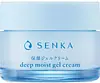
This brightening moisturizer is formulated around Tetrahexyldecyl Ascorbate to brighten dull-looking skin.
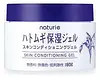
This barrier-repair day moisturizer is formulated around Honey and Sodium Hyaluronate to strengthen the skin barrier and hydrate skin.

What's inside
What's inside
 Key Ingredients
Benefits
Concerns
Ingredients Side-by-side
Water
Skin ConditioningGlycerin
Humectant


Dipropylene Glycol
HumectantDimethicone
Emollient
Tetrahexyldecyl Ascorbate
Antioxidant





Tocopheryl Phosphate
CleansingCoix Lacryma-Jobi Ma-Yuen Seed Extract
Skin ConditioningCholesteryl/Octyldodecyl Lauroyl Glutamate
Skin ConditioningAcrylates/C10-30 Alkyl Acrylate Crosspolymer
Emulsion StabilisingAmmonium Acryloyldimethyltaurate/Vp Copolymer
Butylene Glycol
Humectant
PEG-12 Dimethicone
Skin Conditioning
Sodium Hydroxide
BufferingCarbomer
Emulsion StabilisingPhytosteryl Isostearyl Dimer Dilinoleate
EmollientOctyldodecyl Myristate
EmollientTocopherol
Antioxidant


Methylparaben
Preservative



Water, Glycerin, Dipropylene Glycol, Dimethicone, Tetrahexyldecyl Ascorbate, Tocopheryl Phosphate, Coix Lacryma-Jobi Ma-Yuen Seed Extract, Cholesteryl/Octyldodecyl Lauroyl Glutamate, Acrylates/C10-30 Alkyl Acrylate Crosspolymer, Ammonium Acryloyldimethyltaurate/Vp Copolymer, Butylene Glycol, PEG-12 Dimethicone, Sodium Hydroxide, Carbomer, Phytosteryl Isostearyl Dimer Dilinoleate, Octyldodecyl Myristate, Tocopherol, Methylparaben
Water
Skin ConditioningDipropylene Glycol
HumectantGlycerin
Humectant
Propanediol
Solvent
PEG-8
HumectantSodium Acrylates Crosspolymer-2
AbsorbentMethyl Gluceth-10
EmulsifyingPEG/PPG-14/7 Dimethyl Ether
Skin ConditioningAmmonium Acryloyldimethyltaurate/Beheneth-25 Methacrylate Crosspolymer
Emulsion StabilisingDimethicone
Emollient
Pentaerythrityl Tetraethylhexanoate
Emollient
Diphenylsiloxy Phenyl Trimethicone
Skin Conditioning
Phenoxyethanol
Preservative
Methylparaben
Preservative
Microcrystalline Cellulose
AbsorbentSodium Metabisulfite
Antioxidant
Disodium EDTA
ChelatingHoney
Humectant
Oryza Sativa Germ Oil
Emollient


Sodium Hyaluronate
Humectant
Sodium Acetylated Hyaluronate
Humectant
Butylene Glycol
Humectant
Sericin
Skin ConditioningCitric Acid
Buffering
Potassium Sorbate
Preservative
Rosa Roxburghii Fruit Extract
TonicTocopherol
Antioxidant
Soluble Collagen
Humectant
Water, Dipropylene Glycol, Glycerin, Propanediol, PEG-8, Sodium Acrylates Crosspolymer-2, Methyl Gluceth-10, PEG/PPG-14/7 Dimethyl Ether, Ammonium Acryloyldimethyltaurate/Beheneth-25 Methacrylate Crosspolymer, Dimethicone, Pentaerythrityl Tetraethylhexanoate, Diphenylsiloxy Phenyl Trimethicone, Phenoxyethanol, Methylparaben, Microcrystalline Cellulose, Sodium Metabisulfite, Disodium EDTA, Honey, Oryza Sativa Germ Oil, Sodium Hyaluronate, Sodium Acetylated Hyaluronate, Butylene Glycol, Sericin, Citric Acid, Potassium Sorbate, Rosa Roxburghii Fruit Extract, Tocopherol, Soluble Collagen
Reviews
Ingredients Explained
These ingredients are found in both products.
Ingredients higher up in an ingredient list are typically present in a larger amount.
Butylene Glycol (or BG) is used within cosmetic products for a few different reasons:
Overall, Butylene Glycol is a safe and well-rounded ingredient that works well with other ingredients.
Though this ingredient works well with most skin types, some people with sensitive skin may experience a reaction such as allergic rashes, closed comedones, or itchiness.
Learn more about Butylene GlycolDimethicone is a type of synthetic silicone created from natural materials such as quartz. It is also known as polydimethylsiloxane.
What it does:
Dimethicone comes in different viscosities:
Depending on the viscosity, dimethicone has different properties.
Ingredients lists don't always show which type is used, so we recommend reaching out to the brand if you have questions about the viscosity.
This ingredient is unlikely to cause irritation because it does not get absorbed into skin. However, people with silicone allergies should be careful about using this ingredient.
Note: Dimethicone may contribute to pilling. This is because it is not oil or water soluble, so pilling may occur when layered with products. When mixed with heavy oils in a formula, the outcome is also quite greasy.
Learn more about DimethiconeDipropylene Glycol is a synthetically created humectant, stabilizer, and solvent.
This ingredient helps:
Dipropylene glycol is technically an alcohol, but it belongs to the glycol family (often considered part of the ‘good’ alcohols). This means it is hydrating and gentle on skin unlike drying solvent alcohols like denatured alcohol.
As a masking agent, Dipropylene Glycol can be used to cover the smell of other ingredients. However, it does not have a scent.
Studies show Dipropylene Glycol is considered safe to use in skincare.
Learn more about Dipropylene GlycolGlycerin (or glycerol) is a compound naturally found in your skin. It's a powerhouse humectant that pulls water into the stratum corneum.
Topically, glycerin does several things at once:
Your skin makes glycerin on its own (mostly from sebaceous oil breakdown) and shuttles it to your outermost layer of skin, or your epidermis, via aquaporin-3.
Aquaporin-3 is a transporter that is essential for normal skin hydration, elasticity, and repair. Interestingly, mice lacking in AQP3 have dry and less elastic skin that can be fully corrected with glycerin.
This ingredient is non-irritating, plays well with almost every ingredient, and works across all skin types. Typical use is anywhere between 3-10% but can go up to 79% in some leave-on products.
Just know very high concentrations (>40%) can feel tacky in low humidity.
Glycerin is the name for this ingredient in American English. British English uses Glycerol/Glycerine.
Learn more about GlycerinMethylparaben is a synthetic preservative and one of the most widely used in the world. It has a simple, but important job: prevent your products from going bad by stopping bacteria, yeast, and mold from growing.
Typical use levels are low, often 0.1-0.3%.
This is also one of the most heavily studied preservatives out there and major regulatory bodies have repeatedly given it the green light.
In 2023, the EU's Scientific Committee on Consumer Safety (SCCS) confirmed that this ingredient is safe up to 0.4% on its own, of up to 0.8% when mixed with other paraben esters.
Here's the science behind the noise behind parabens/hormones as well:
Methylparaben shows very weak estrogen-like activity in vitro tests (more than 1,000x weaker than your body's own estradiol). In vivo (live-organism) studies don't support a meaningful endocrine-disrupting effect either.
You get a stronger estrogenic effect from eating tofu, actually.
It's also a low sensitizer and allergic reactions are uncommon; they usually happen on damage or broken skin.
There is a caveat: France has proposed to formally re-examine its endocrine classification in 2025 so the regulatory conversation isn't fully closed as of yet.
But as it stands today, this ingredient is considered safe at permitted levels.
Learn more about MethylparabenTocopherol is a fat-soluble antioxidant known as Vitamin E.
You'll find this ingredient in the vast majority of skincare (for good reason). It works to neutralize free radicals, or unstable molecules generated by UV exposure, pollution, and other environmental stressors, before they can cause oxidative damage to your skin cells.
Topically applied tocopherol has been shown to protect against UV damage by ramping up the skin's own natural defense enzymes.
It also acts as a skin conditioning agent; some studies show that regular topical use can improve the skin's water-binding capacity over 2-4 weeks.
This ingredient is especially loved for being a team player. When combined with Vitamin C, the photoprotective effect of both ingredients roughly doubles and the combo also helps reduce UV-induced DNA damage.
This ingredient has some brightening potential but it's more of a prevention ingredient than spot-fader. Cell studies show it can slow down melanin production but it's worth noting that it's not the most powerful brightener out there.
In formulations, it also serves as a stabilizer that helps protect other oxidation-prone ingredients from degrading.
Concentrations usually range from 0.1-1% in most leave-on products.
Learn more about TocopherolWater. It's the most common cosmetic ingredient of all. You'll usually see it at the top of ingredient lists, meaning that it makes up the largest part of the product.
So why is it so popular? Water most often acts as a solvent - this means that it helps dissolve other ingredients into the formulation.
You'll also recognize water as that liquid we all need to stay alive. If you see this, drink a glass of water. Remember to stay hydrated!
Learn more about Water

