Mary Kay Mask Versus Vedette Mud Clay Mask
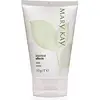
This wash off mask is made with Kaolin and Magnesium Aluminum Silicate for a rinse-off oil-control boost.


What's inside
What's inside
 Key Ingredients
Benefits
Concerns
Ingredients Side-by-side
Water
Skin ConditioningKaolin
Abrasive



Isocetyl Stearate
Emollient




Magnesium Aluminum Silicate
Absorbent
Glycerin
Humectant


Stearic Acid
Cleansing
Paraffin
Skin Conditioning
Triethanolamine
BufferingCitrus Aurantifolia Peel Extract
Cleansing
Bentonite
Absorbent
Prunus Armeniaca Bud Extract
Skin ConditioningCetyl Alcohol
Emollient

Rubus Idaeus Leaf Wax
MaskingPropylene Glycol
Humectant
Tea-Lauryl Sulfate
Cleansing
Prunus Domestica Fruit Extract
MoisturisingNymphaea Tetragona Extract
Skin ConditioningSilybum Marianum Extract
Skin Conditioning
Momordica Charantia Extract
AstringentXanthan Gum
EmulsifyingButylene Glycol
Humectant
Sodium Benzoate
Masking
Methylparaben
Preservative

Propylparaben
Preservative
Diazolidinyl Urea
Preservative
Titanium Dioxide
Cosmetic Colorant
Water, Kaolin, Isocetyl Stearate, Magnesium Aluminum Silicate, Glycerin, Stearic Acid, Paraffin, Triethanolamine, Citrus Aurantifolia Peel Extract, Bentonite, Prunus Armeniaca Bud Extract, Cetyl Alcohol, Rubus Idaeus Leaf Wax, Propylene Glycol, Tea-Lauryl Sulfate, Prunus Domestica Fruit Extract, Nymphaea Tetragona Extract, Silybum Marianum Extract, Momordica Charantia Extract, Xanthan Gum, Butylene Glycol, Sodium Benzoate, Methylparaben, Propylparaben, Diazolidinyl Urea, Titanium Dioxide
Water
Skin ConditioningKaolin
Abrasive
Propylene Glycol
Humectant
Glycerin
Humectant
PEG-7 Glyceryl Cocoate
Emulsifying
Stearyl Alcohol
Emollient
Illite
Abrasive
Palmitic Acid
Emollient
Stearic Acid
Cleansing
Glyceryl Stearate
Emollient
PEG-100 Stearate
Surfactant
Magnesium Aluminum Silicate
Absorbent
Phenoxyethanol
Preservative
Bentonite
Absorbent
Xanthan Gum
EmulsifyingChlorphenesin
Antimicrobial
Parfum
Masking
Disodium EDTA
Ingredients Explained
These ingredients are found in both products.
Ingredients higher up in an ingredient list are typically present in a larger amount.
Bentonite is an aluminium phyllosilicate clay with great absorbent properties. The name 'bentonite' comes from the area where the largest source is found: Fort Benton, Wyoming.
As a clay, bentonite is often used to absorb excess oil and provide exfoliation. It has also been shown to have some antibacterial and anti-inflammatory properties. Studies show bentonite was effective at calming dermatitis from poison ivy and in diaper dermatitis of infants. Bentonite has also been shown to act as a barrier against toxic compounds on your skin.
Sunscreens containing bentonite display higher water resistance and stay on the skin for much longer. The sunscreens containing bentonite also show higher potency and UV light absorbtion.
Bentonite is naturally created from volcanic ash and several natural weathering/hydrothermal processes.
A common usage of bentonite is removing excess protein from white wines. Bentonite contains a property of being able to absorb large amounts of protein from aqueous solutions.
Phyllosilicate clay has a structure formed by sheets.
Learn more about BentoniteGlycerin (or glycerol) is a compound naturally found in your skin. It's a powerhouse humectant that pulls water into the stratum corneum.
Topically, glycerin does several things at once:
Your skin makes glycerin on its own (mostly from sebaceous oil breakdown) and shuttles it to your outermost layer of skin, or your epidermis, via aquaporin-3.
Aquaporin-3 is a transporter that is essential for normal skin hydration, elasticity, and repair. Interestingly, mice lacking in AQP3 have dry and less elastic skin that can be fully corrected with glycerin.
This ingredient is non-irritating, plays well with almost every ingredient, and works across all skin types. Typical use is anywhere between 3-10% but can go up to 79% in some leave-on products.
Just know very high concentrations (>40%) can feel tacky in low humidity.
Glycerin is the name for this ingredient in American English. British English uses Glycerol/Glycerine.
Learn more about GlycerinKaolin is a clay. It is used for oil control and to help minimize pores. Like other clays, kaolin has the ability to absorb excess sebum or oil. This can help clean out pores and mattify the skin.
Some types of kaolin may have exfoliating properties. When water is added to kaolin, it becomes a paste with small abrasive particles.
Most kaolin is a white color, but may be pink/orange/red depending on where it comes from.
The name 'kaolin' comes from a Chinese village named 'Gaoling'. Kaolin clay comes from rocks rich in kaolinite. Kaolinite, the mineral, has a silicate layered structure. Kaolinite is formed from chemical weathering of aluminum siilicate minerals.
Besides skincare, kaolin is commonly used to make glossy paper, in ceramics, toothpaste, and as medicine to soothe stomach issues.
Learn more about KaolinMagnesium Aluminum Silicate is a type of silica. It comes from naturally occuring minerals such as silicate ores and clay.
Magnesium aluminum silicate is used for enhancing texture and as an absorbent. Due to its large molecular size, it is unable to be absorbed into the skin.
Like other types of silica, this ingredient can be used to thicken a product. As an absorbent, it may be used to absorb extra water or help prevent clumping.
Although “aluminum” in an ingredient name can raise red flags for some consumers, the form and usage context matter significantly. For typical topical applications, there is no substantial evidence of health risks - such as cancer, neurotoxicity, or systemic “aluminum overload.”
Learn more about Magnesium Aluminum SilicatePropylene Glycol is a synthetic, colorless, odorless liquid that has been a staple in cosmetics for decades. It is a skin conditioning agent, humectant, and solvent.
As a humectant, it draw water to the skin to reduce flaking and restore suppleness. It's also a solvent that helps dissolve other actives and keeps formulas stable across temperature changes.
The CIR Expert Panel has confirmed this ingredient to be nontoxic and clinical studies show no sensitization at cosmetic use concentrations.
True allergic reactions are quite rare: a 15-year retrospective study of 6,751 patients found only 0.31% had a positive reaction (and less than half were considered clinically relevant).
It seemed that when sensitization does occur, it's most commonly linked to topical medication (like corticosteroids) and not cosmetics. Allergic contact dermatitis also appears largely limited to individuals with underlying skin conditions.
Overall, propylene glycol is a well-studied ingredient that most people can tolerate without issue.
Learn more about Propylene GlycolStearic Acid is a fatty acid that is already found in your skin. It's one of the free fatty acids that works alongside ceramides and cholesterols to maintain your barrier.
In cosmetics, it is a multitasker:
Safety-wise, the CIR Expert Panel has concluded it to be safe in cosmetics when formulated to be non-irritating and non-sensitizing.
Free stearic acid is a C18 fatty acid that the Malassezia yeast can substrate, so this ingredient may not be fungal acne safe.
Learn more about Stearic AcidWater. It's the most common cosmetic ingredient of all. You'll usually see it at the top of ingredient lists, meaning that it makes up the largest part of the product.
So why is it so popular? Water most often acts as a solvent - this means that it helps dissolve other ingredients into the formulation.
You'll also recognize water as that liquid we all need to stay alive. If you see this, drink a glass of water. Remember to stay hydrated!
Learn more about WaterXanthan gum is used as a stabilizer and thickener within cosmetic products. It helps give products a sticky, thick feeling - preventing them from being too runny.
On the technical side of things, xanthan gum is a polysaccharide - a combination consisting of multiple sugar molecules bonded together.
Xanthan gum is a pretty common and great ingredient. It is a natural, non-toxic, non-irritating ingredient that is also commonly used in food products.
Learn more about Xanthan Gum

