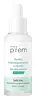
This calming ampoule is formulated around Propolis Extract to calm redness.
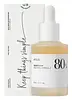
This calming ampoule is formulated around Houttuynia Cordata Extract and Panthenol to calm redness and hydrate skin.

What's inside
What's inside
 Key Ingredients
Benefits
Concerns
No concerns
Ingredients Side-by-side
Water
Skin ConditioningPropanediol
Solvent

Glycereth-26
Humectant
1,2-Hexanediol
Skin Conditioning
Cetyl Ethylhexanoate
EmollientPropolis Extract
Skin Conditioning




Polyglyceryl-3 Methylglucose Distearate
Emulsifying

Caprylyl Glycol
Emollient
Glyceryl Stearate
Emollient
Tromethamine
BufferingAcrylates/C10-30 Alkyl Acrylate Crosspolymer
Emulsion StabilisingCarbomer
Emulsion StabilisingCitric Acid
Buffering

Ethylhexylglycerin
Skin ConditioningXanthan Gum
EmulsifyingSalvia Officinalis Oil
Masking
Citrus Aurantium Bergamia Fruit Oil
Masking


Butylene Glycol
Humectant
Water, Propanediol, Glycereth-26, 1,2-Hexanediol, Cetyl Ethylhexanoate, Propolis Extract, Polyglyceryl-3 Methylglucose Distearate, Caprylyl Glycol, Glyceryl Stearate, Tromethamine, Acrylates/C10-30 Alkyl Acrylate Crosspolymer, Carbomer, Citric Acid, Ethylhexylglycerin, Xanthan Gum, Salvia Officinalis Oil, Citrus Aurantium Bergamia Fruit Oil, Butylene Glycol


Reviews
Ingredients Explained
These ingredients are found in both products.
Ingredients higher up in an ingredient list are typically present in a larger amount.
1,2-Hexanediol is a synthetic liquid and another multi-functional powerhouse.
It is a:
- Humectant, drawing moisture into the skin
- Emollient, helping to soften skin
- Solvent, dispersing and stabilizing formulas
- Preservative booster, enhancing the antimicrobial activity of other preservatives
Butylene Glycol (or BG) is used within cosmetic products for a few different reasons:
Overall, Butylene Glycol is a safe and well-rounded ingredient that works well with other ingredients.
Though this ingredient works well with most skin types, some people with sensitive skin may experience a reaction such as allergic rashes, closed comedones, or itchiness.
Learn more about Butylene GlycolCarbomer is a synthetic thickening and gelling agent. It's basically the ingredient that gives a lot of serums, gels, creams, and sunscreens their smooth, non-sticky texture.
Although legally permitted at very high levels, carbomers are normally used at concentrations below 1%.
It also needs to be neutralized to actually thicken, and because it is a large molecule, it doesn't really penetrate the skin barrier.
Allergy-wise, the risk is very low. Clinical studies show carbomers have low potential for skin irritation/sensitization even at concentrations up to 100%.
A 2024 UK study patch-tested 1,302 patients and found true allergy to the parent group of carbomer to be rare with no confirmed relevant reactions.
Learn more about CarbomerEthylhexylglycerin is created from glycerin. It is a multitasker ingredient that:
The CIR Expert Panel found minimal skin absorption or sensitization of any kind in a safety assessment. Though this ingredient is considered well-tolerated, a small number of cases of allergic dermatitis have been published since 2002. Just be sure to patch test if you are unsure.
Industry-reported use ranges from 8% in rinse-off products and 2% in leave-on formulations.
Learn more about Ethylhexylglycerin

