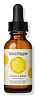
This brightening serum is formulated around Sodium Ascorbyl Phosphate and Ferulic Acid to fade the look of dark spots and brighten dull-looking skin.
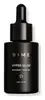
This brightening serum is formulated around Ascorbic Acid and Tocopherol to brighten dull-looking skin and soften the look of wrinkles.

What's inside
What's inside
 Key Ingredients
Benefits
Ingredients Side-by-side
Water
Skin ConditioningSodium Ascorbyl Phosphate
Antioxidant







C12-15 Alkyl Benzoate
AntimicrobialGlycerin
Humectant

Sodium Levulinate
Skin ConditioningSodium Anisate
AntimicrobialSalvia Sclarea Oil
Masking
Citrus Grandis Seed Extract
Astringent
Hyaluronic Acid
Humectant
Amorphophallus Konjac Root Powder
Abrasive
Aloe Barbadensis Leaf
Masking
Tocotrienols
Skin Conditioning
Ferulic Acid
Antimicrobial
Matricaria Maritima Powder
Abrasive
Sodium Phytate
ChelatingXanthan Gum
EmulsifyingHydroxyethylcellulose
Emulsion StabilisingWater, Sodium Ascorbyl Phosphate, C12-15 Alkyl Benzoate, Glycerin, Sodium Levulinate, Sodium Anisate, Salvia Sclarea Oil, Citrus Grandis Seed Extract, Hyaluronic Acid, Amorphophallus Konjac Root Powder, Aloe Barbadensis Leaf, Tocotrienols, Ferulic Acid, Matricaria Maritima Powder, Sodium Phytate, Xanthan Gum, Hydroxyethylcellulose
Water
Skin ConditioningAscorbic Acid 15%
Antioxidant
Ethoxydiglycol
HumectantGlycerin
Humectant
Tocopherol
Antioxidant
Ferulic Acid
Antimicrobial
Lecithin
Emollient
Hyaluronic Acid
Humectant
Vitis Vinifera Seed Extract
Antimicrobial
Resveratrol
Antioxidant
Aloe Barbadensis Leaf Juice
Skin Conditioning
Magnolia Officinalis Bark Extract
Antimicrobial
Xanthan Gum
EmulsifyingSodium Metabisulfite
Antioxidant
Phenylpropanol
Masking
Sodium Hydroxide
BufferingEthylhexylglycerin
Skin Conditioning
Reviews
Ingredients Explained
These ingredients are found in both products.
Ingredients higher up in an ingredient list are typically present in a larger amount.
Ferulic Acid is a plant based antioxidant that can be naturally found in the cell walls of grains like rice, oats, and corn. It has antioxidant and antimicrobial properties, and has the ability to boost the performance of other antioxidants as well.
A well-known study found that adding Ferulic Acid to a solution of Vitamins C and E doubled the photoprotection of skin. This is why you'll often see it paired with Vitamin C or Vitamin E serums rather than sold on its own.
A 2025 review of 18 human studies found that using Ferulic Acid (0.5-1%) daily for one to three months showed improvements in:
As far as allergies go, Ferulic acid is generally well-tolerated but can cause an allergic reaction in very rare cases. It's also worth noting that Ferulic acid is often extracted from plant sources like rice bran or wheat bran, so be sure to path test if you have known grain allergies.
Outside of skincare, researchers are also looking into Ferulic Acid for its potential benefits in areas like diabetes, Alzheimer's, and heart health.
Learn more about Ferulic AcidGlycerin (or glycerol) is a compound naturally found in your skin. It's a powerhouse humectant that pulls water into the stratum corneum.
Topically, glycerin does several things at once:
Your skin makes glycerin on its own (mostly from sebaceous oil breakdown) and shuttles it to your outermost layer of skin, or your epidermis, via aquaporin-3.
Aquaporin-3 is a transporter that is essential for normal skin hydration, elasticity, and repair. Interestingly, mice lacking in AQP3 have dry and less elastic skin that can be fully corrected with glycerin.
This ingredient is non-irritating, plays well with almost every ingredient, and works across all skin types. Typical use is anywhere between 3-10% but can go up to 79% in some leave-on products.
Just know very high concentrations (>40%) can feel tacky in low humidity.
Glycerin is the name for this ingredient in American English. British English uses Glycerol/Glycerine.
Learn more about GlycerinHyaluronic acid (HA) is a glycosaminoglycan (basically a long sugar chain) that your skin already makes on its own. In your skin, HA lives in the extracellular matrix and acts as the body's moisture reservoir.
Topically, HA is a humectant that binds water and helps skin look more plump, smooth, and hydrated.
The only catch is that HA isn't a single thing; it actually comes in a wide range of molecular weights (~50 - 2,000+ kDA) and size matters.
Some clinical evidence links low molecular weight versions to improved wrinkle depth, elasticity, anti-inflammatory effects, and barrier repair.
This is why the best HA serums blend the two sizes together so you get the best of both worlds.
The majority of cosmetic HA is produced by bacterial fermentation, typically using Streptococcus or Bacillus strains. Typical use levels in skincare sit around 0.1-2%.
A clinical study using a 0.2% low-molecular weight HA gel showed improvement in facial seborrheic dermatitis with excellent tolerance.
These are some other common types of Hyaluronic Acid:
Learn more about Hyaluronic AcidWater. It's the most common cosmetic ingredient of all. You'll usually see it at the top of ingredient lists, meaning that it makes up the largest part of the product.
So why is it so popular? Water most often acts as a solvent - this means that it helps dissolve other ingredients into the formulation.
You'll also recognize water as that liquid we all need to stay alive. If you see this, drink a glass of water. Remember to stay hydrated!
Learn more about WaterXanthan gum is used as a stabilizer and thickener within cosmetic products. It helps give products a sticky, thick feeling - preventing them from being too runny.
On the technical side of things, xanthan gum is a polysaccharide - a combination consisting of multiple sugar molecules bonded together.
Xanthan gum is a pretty common and great ingredient. It is a natural, non-toxic, non-irritating ingredient that is also commonly used in food products.
Learn more about Xanthan Gum

