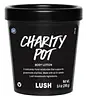
This barrier-repair moisturizer is formulated around Olea Europaea Fruit Oil and Simmondsia Chinensis Seed Oil to strengthen the skin barrier and hydrate skin.
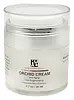
This calming moisturizer is formulated around Aloe Barbadensis Leaf Juice and Helianthus Annuus Seed Oil to calm redness and hydrate skin.


What's inside
What's inside
 Benefits
Concerns
Ingredients Side-by-side
Water
Skin ConditioningOlea Europaea Fruit Oil
Masking






Glycerin
Humectant

Simmondsia Chinensis Seed Oil
Emollient
Moringa Oleifera Seed Oil
Emollient
Theobroma Cacao Seed Butter
Emollient
Stearic Acid
Cleansing
Butyrospermum Parkii Butter
Skin Conditioning
Triethanolamine
BufferingPelargonium Graveolens Oil
Masking


Aniba Rosaeodora Wood Oil
Astringent
Viola Odorata Oil
Masking
Vanilla Planifolia Fruit Extract
Skin Conditioning
Cetearyl Alcohol
Emollient

Citronellol
Perfuming
Coumarin
Perfuming
Geraniol
Perfuming
Linalool
Perfuming
Limonene
Perfuming
Parfum
Masking
Water, Olea Europaea Fruit Oil, Glycerin, Simmondsia Chinensis Seed Oil, Moringa Oleifera Seed Oil, Theobroma Cacao Seed Butter, Stearic Acid, Butyrospermum Parkii Butter, Triethanolamine, Pelargonium Graveolens Oil, Aniba Rosaeodora Wood Oil, Viola Odorata Oil, Vanilla Planifolia Fruit Extract, Cetearyl Alcohol, Citronellol, Coumarin, Geraniol, Linalool, Limonene, Parfum


Reviews
Ingredients Explained
These ingredients are found in both products.
Ingredients higher up in an ingredient list are typically present in a larger amount.
Glycerin (or glycerol) is a compound naturally found in your skin. It's a powerhouse humectant that pulls water into the stratum corneum.
Topically, glycerin does several things at once:
Your skin makes glycerin on its own (mostly from sebaceous oil breakdown) and shuttles it to your outermost layer of skin, or your epidermis, via aquaporin-3.
Aquaporin-3 is a transporter that is essential for normal skin hydration, elasticity, and repair. Interestingly, mice lacking in AQP3 have dry and less elastic skin that can be fully corrected with glycerin.
This ingredient is non-irritating, plays well with almost every ingredient, and works across all skin types. Typical use is anywhere between 3-10% but can go up to 79% in some leave-on products.
Just know very high concentrations (>40%) can feel tacky in low humidity.
Glycerin is the name for this ingredient in American English. British English uses Glycerol/Glycerine.
Learn more about GlycerinJojoba oil is one of the most well-studied plant-derived ingredients in cosmetics. It is an emollient with a special structure.
Because it is made up of 97-98% wax esters, it closely mirrors the linear monoesters found in human sebum. This makes it skin compatible, non-greasy, and lightweight.
Unlike other plant oils, jojoba wax doesn't easily penetrate skin. It mostly works in the uppermost layers as an emollient. This just means it forms a light barrier on the skin to help retain moisture.
Formulations with jojoba esters up to 90% reduced transepidermal water loss (TEWL) and increased barrier recovery by 81% (outperforming bisabolol at 47%).
Besides barrier support, the science also suggests jojoba to have anti-inflammatory effects and potential applications for skin infections, aging, and wound healing.
Fun fact: Indigenous cultures have used jojoba as a moisturizer and to help treat burns for centuries.
Fungal acne: The Malassezia yeast is known to metabolize fatty acids in the C11-24 range and jojoba's dominant fatty acid components fall into this range. This ingredient may not be fungal acne safe.
Learn more about Simmondsia Chinensis Seed OilStearic Acid is a fatty acid that is already found in your skin. It's one of the free fatty acids that works alongside ceramides and cholesterols to maintain your barrier.
In cosmetics, it is a multitasker:
Safety-wise, the CIR Expert Panel has concluded it to be safe in cosmetics when formulated to be non-irritating and non-sensitizing.
Free stearic acid is a C18 fatty acid that the Malassezia yeast can substrate, so this ingredient may not be fungal acne safe.
This ingredient does have a comedogenic rating of 2-3, but this doesn't mean a formula with this ingredient will clog pores.
Human testing has proved that any finished product with this ingredient won't automatically make you break out; it really comes down to concentration, formula, and your skin.
Learn more about Stearic Acid

