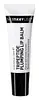
This brightening lip mask is formulated around Alpha-Arbutin and Dipotassium Glycyrrhizate to fade the look of dark spots and brighten dull-looking skin.
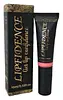
This anti-aging lip moisturizer is formulated around Squalane and Palmitoyl Tripeptide-1 to soften the look of wrinkles and hydrate lips.


What's inside
What's inside
 Key Ingredients
Benefits
Concerns
Ingredients Side-by-side






Ricinus Communis Seed Oil
Masking




Hydroxystearic/Linolenic/Oleic Polyglycerides
EmollientGlyceryl Rosinate
Perfuming
Theobroma Grandiflorum Seed Butter
Skin Conditioning
Butyrospermum Parkii Butter
Skin Conditioning



Ethylhexyl Palmitate
Emollient
Candelilla Cera
Emollient
Mangifera Indica Seed Butter
Skin Conditioning
Orbignya Oleifera Seed Oil
Emollient
Squalane
Emollient
Cetearyl Ethylhexanoate
Emollient
Hydrogenated Olive Oil
Skin Conditioning
Salvia Hispanica Seed Oil
Emollient
Caprylic/Capric Triglyceride
Masking
Glyceryl Behenate
Emollient
Olea Europaea Oil Unsaponifiables
Skin Conditioning
Tribehenin
Emollient
Sorbitan Isostearate
Emulsifying
Tocopherol
Antioxidant




Portulaca Pilosa Extract
Skin ConditioningTrihydroxystearin
Skin Conditioning
Helianthus Annuus Seed Oil
Emollient
Sucrose Cocoate
Emulsifying
Brassica Alba Sprout Extract
Skin ConditioningSodium Hyaluronate
Humectant
Palmitoyl Tripeptide-1
Skin Conditioning


Palmitoyl Tripeptide-38
Skin Conditioning
Glucomannan
Skin ConditioningRicinus Communis Seed Oil, Hydroxystearic/Linolenic/Oleic Polyglycerides, Glyceryl Rosinate, Theobroma Grandiflorum Seed Butter, Butyrospermum Parkii Butter, Ethylhexyl Palmitate, Candelilla Cera, Mangifera Indica Seed Butter, Orbignya Oleifera Seed Oil, Squalane, Cetearyl Ethylhexanoate, Hydrogenated Olive Oil, Salvia Hispanica Seed Oil, Caprylic/Capric Triglyceride, Glyceryl Behenate, Olea Europaea Oil Unsaponifiables, Tribehenin, Sorbitan Isostearate, Tocopherol, Portulaca Pilosa Extract, Trihydroxystearin, Helianthus Annuus Seed Oil, Sucrose Cocoate, Brassica Alba Sprout Extract, Sodium Hyaluronate, Palmitoyl Tripeptide-1, Palmitoyl Tripeptide-38, Glucomannan
Reviews
Alternatives
Ingredients Explained
These ingredients are found in both products.
Ingredients higher up in an ingredient list are typically present in a larger amount.
Tocopherol is a fat-soluble antioxidant known as Vitamin E.
You'll find this ingredient in the vast majority of skincare (for good reason). It works to neutralize free radicals, or unstable molecules generated by UV exposure, pollution, and other environmental stressors, before they can cause oxidative damage to your skin cells.
Topically applied tocopherol has been shown to protect against UV damage by ramping up the skin's own natural defense enzymes.
It also acts as a skin conditioning agent; some studies show that regular topical use can improve the skin's water-binding capacity over 2-4 weeks.
This ingredient is especially loved for being a team player. When combined with Vitamin C, the photoprotective effect of both ingredients roughly doubles and the combo also helps reduce UV-induced DNA damage.
This ingredient has some brightening potential but it's more of a prevention ingredient than spot-fader. Cell studies show it can slow down melanin production but it's worth noting that it's not the most powerful brightener out there.
In formulations, it also serves as a stabilizer that helps protect other oxidation-prone ingredients from degrading.
Concentrations usually range from 0.1-1% in most leave-on products.
Learn more about Tocopherol

