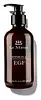
This anti-aging serum is formulated around Hyaluronic Acid and Palmitoyl Tripeptide-1 to soften the look of wrinkles and refine skin texture.
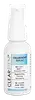
This calming serum is formulated around Hyaluronic Acid and Serenoa Serrulata Fruit Extract to calm redness and hydrate skin.

What's inside
What's inside
 Key Ingredients
Benefits
Concerns
Ingredients Side-by-side
Hyaluronic Acid
Humectant




Palmitoyl Tripeptide-1
Skin Conditioning

Palmitoyl Tetrapeptide-7
Skin Conditioning
Teprenone
Skin ConditioningSodium Carboxymethyl Beta-Glucan
CleansingSuperoxide Dismutase
Antioxidant


Sodium PCA
Humectant
Pseudoalteromonas Ferment Extract
Humectant

Resveratrol
Antioxidant
Trehalose
Humectant
Triacetin
AntimicrobialSodium Hyaluronate
Humectant
Oryza Sativa Bran Water
Masking
Palmitoyl Tripeptide-5
Skin Conditioning
Glycerin
Humectant
Phospholipids
Skin Conditioning
Argania Spinosa Sprout Cell Extract
Skin ConditioningRhododendron Ferrugineum Extract
MaskingSaccharomyces Cerevisiae Extract
Skin Conditioning
Urea
Buffering
Laminaria Cloustoni Extract
Skin ProtectingDipalmitoyl Hydroxyproline
Skin Conditioning
Lecithin
Emollient
Linoleic Acid
Cleansing
Mannitol
Humectant
Sodium Ascorbate
Antioxidant

Tall Oil Sterol
Emollient
Tocopherol
Antioxidant
Dipotassium Glycyrrhizate
Humectant
Vitis Vinifera Seed Extract
Antimicrobial
Allantoin
Skin Conditioning
Panthenol
Skin Conditioning
Aloe Barbadensis Leaf Juice
Skin Conditioning
Squalane
Emollient
Glucose
Humectant
Glucose Oxidase
StabilisingLactoperoxidase
StabilisingHyaluronic Acid, Palmitoyl Tripeptide-1, Palmitoyl Tetrapeptide-7, Teprenone, Sodium Carboxymethyl Beta-Glucan, Superoxide Dismutase, Sodium PCA, Pseudoalteromonas Ferment Extract, Resveratrol, Trehalose, Triacetin, Sodium Hyaluronate, Oryza Sativa Bran Water, Palmitoyl Tripeptide-5, Glycerin, Phospholipids, Argania Spinosa Sprout Cell Extract, Rhododendron Ferrugineum Extract, Saccharomyces Cerevisiae Extract, Urea, Laminaria Cloustoni Extract, Dipalmitoyl Hydroxyproline, Lecithin, Linoleic Acid, Mannitol, Sodium Ascorbate, Tall Oil Sterol, Tocopherol, Dipotassium Glycyrrhizate, Vitis Vinifera Seed Extract, Allantoin, Panthenol, Aloe Barbadensis Leaf Juice, Squalane, Glucose, Glucose Oxidase, Lactoperoxidase
Hyaluronic Acid
Humectant
Water
Skin ConditioningIsopentyldiol
Humectant
Epilobium Angustifolium Extract
Skin ConditioningPlacental Enzymes
Skin ConditioningGanoderma Lucidum Extract
Skin Protecting
Aloe Barbadensis Extract
Skin Conditioning
Serenoa Serrulata Fruit Extract
Skin Conditioning
Trifolium Pratense Extract
Skin ConditioningCamellia Sinensis Extract
Antioxidant
Citrus Paradisi Peel Oil
Masking



Boswellia Serrata Extract
Skin Conditioning
Tasmannia Lanceolata Fruit Powder
Antioxidant
Kunzea Pomifera Fruit Extract
Skin ConditioningSyzygium Luehmannii Fruit Extract
Antioxidant
Curcuma Wenyujin/Curcuma Kwangsiensis Rhizome Extract
AntiseborrhoeicPanthenol
Skin Conditioning
Hyaluronic Acid, Water, Isopentyldiol, Epilobium Angustifolium Extract, Placental Enzymes, Ganoderma Lucidum Extract, Aloe Barbadensis Extract, Serenoa Serrulata Fruit Extract, Trifolium Pratense Extract, Camellia Sinensis Extract, Citrus Paradisi Peel Oil, Boswellia Serrata Extract, Tasmannia Lanceolata Fruit Powder, Kunzea Pomifera Fruit Extract, Syzygium Luehmannii Fruit Extract, Curcuma Wenyujin/Curcuma Kwangsiensis Rhizome Extract, Panthenol
Reviews
Alternatives
Ingredients Explained
These ingredients are found in both products.
Ingredients higher up in an ingredient list are typically present in a larger amount.
Hyaluronic acid (HA) is a glycosaminoglycan (basically a long sugar chain) that your skin already makes on its own. In your skin, HA lives in the extracellular matrix and acts as the body's moisture reservoir.
Topically, HA is a humectant that binds water and helps skin look more plump, smooth, and hydrated.
The only catch is that HA isn't a single thing; it actually comes in a wide range of molecular weights (~50 - 2,000+ kDA) and size matters.
Some clinical evidence links low molecular weight versions to improved wrinkle depth, elasticity, anti-inflammatory effects, and barrier repair.
This is why the best HA serums blend the two sizes together so you get the best of both worlds.
The majority of cosmetic HA is produced by bacterial fermentation, typically using Streptococcus or Bacillus strains. Typical use levels in skincare sit around 0.1-2%.
A clinical study using a 0.2% low-molecular weight HA gel showed improvement in facial seborrheic dermatitis with excellent tolerance.
These are some other common types of Hyaluronic Acid:
Learn more about Hyaluronic AcidPanthenol is a common ingredient that helps hydrate and soothe the skin. It is found naturally in our skin and hair.
There are two forms of panthenol: D and L.
D-panthenol is also known as dexpanthenol. Most cosmetics use dexpanthenol or a mixture of D and L-panthenol.
Panthenol is famous due to its ability to go deeper into the skin's layers. Using this ingredient has numerous pros (and no cons):
Like hyaluronic acid, panthenol is a humectant. Humectants are able to bind and hold large amounts of water to keep skin hydrated.
This ingredient works well for wound healing. It works by increasing tissue in the wound and helps close open wounds.
Once oxidized, panthenol converts to pantothenic acid. Panthothenic acid is found in all living cells.
This ingredient is also referred to as pro-vitamin B5.
Learn more about Panthenol

