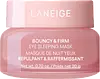
This anti-aging eye mask is formulated around Niacinamide and Caffeine to soften the look of wrinkles.
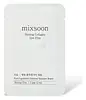
This brightening eye mask is formulated around Glutathione to brighten dull-looking skin.

What's inside
What's inside
 Key Ingredients
Benefits
Ingredients Side-by-side
Water
Skin ConditioningGlycerin
Humectant


Sodium Acrylates Crosspolymer-2
AbsorbentButylene Glycol
Humectant
Niacinamide
Smoothing









1,2-Hexanediol
Skin Conditioning
Panthenol
Skin Conditioning
Polyglycerin-3
Humectant
Glyceryl Polymethacrylate
Caffeine
Skin Conditioning
Lactobacillus Ferment Lysate
Skin Conditioning
Acrylates/C10-30 Alkyl Acrylate Crosspolymer
Emulsion StabilisingPropanediol
Solvent
Xanthan Gum
EmulsifyingDipotassium Glycyrrhizate
Humectant
Ethylhexylglycerin
Skin ConditioningAdenosine
Skin Conditioning
Sodium Metaphosphate
BufferingCaprylyl Glycol
Emollient
Tryptophan
MaskingHydrolyzed Collagen
Emollient
Dextrin
AbsorbentTheobroma Cacao Extract
Skin ConditioningSodium Hyaluronate
Humectant
Cyanocobalamin
Skin ConditioningPaeonia Albiflora Root Extract
Skin ConditioningTocopherol
Antioxidant

Hydrolyzed Hyaluronic Acid
Humectant
Acetyl Tetrapeptide-2
Skin Conditioning
Sodium Hyaluronate Crosspolymer
Humectant
Hyaluronic Acid
Humectant
Paeonia Albiflora Flower Extract
TonicSodium Acetylated Hyaluronate
Humectant
Water, Glycerin, Sodium Acrylates Crosspolymer-2, Butylene Glycol, Niacinamide, 1,2-Hexanediol, Panthenol, Polyglycerin-3, Glyceryl Polymethacrylate, Caffeine, Lactobacillus Ferment Lysate, Acrylates/C10-30 Alkyl Acrylate Crosspolymer, Propanediol, Xanthan Gum, Dipotassium Glycyrrhizate, Ethylhexylglycerin, Adenosine, Sodium Metaphosphate, Caprylyl Glycol, Tryptophan, Hydrolyzed Collagen, Dextrin, Theobroma Cacao Extract, Sodium Hyaluronate, Cyanocobalamin, Paeonia Albiflora Root Extract, Tocopherol, Hydrolyzed Hyaluronic Acid, Acetyl Tetrapeptide-2, Sodium Hyaluronate Crosspolymer, Hyaluronic Acid, Paeonia Albiflora Flower Extract, Sodium Acetylated Hyaluronate
Reviews
Ingredients Explained
These ingredients are found in both products.
Ingredients higher up in an ingredient list are typically present in a larger amount.
Hyaluronic acid (HA) is a glycosaminoglycan (basically a long sugar chain) that your skin already makes on its own. In your skin, HA lives in the extracellular matrix and acts as the body's moisture reservoir.
Topically, HA is a humectant that binds water and helps skin look more plump, smooth, and hydrated.
The only catch is that HA isn't a single thing; it actually comes in a wide range of molecular weights (~50 - 2,000+ kDA) and size matters.
Some clinical evidence links low molecular weight versions to improved wrinkle depth, elasticity, anti-inflammatory effects, and barrier repair.
This is why the best HA serums blend the two sizes together so you get the best of both worlds.
The majority of cosmetic HA is produced by bacterial fermentation, typically using Streptococcus or Bacillus strains. Typical use levels in skincare sit around 0.1-2%.
A clinical study using a 0.2% low-molecular weight HA gel showed improvement in facial seborrheic dermatitis with excellent tolerance.
These are some other common types of Hyaluronic Acid:
Learn more about Hyaluronic AcidHydrolyzed Collagen is Collagen (usually sourced from fish, bovine, or porcine byproducts) that's been broken down into smaller peptides. This makes it water-soluble and easy to blend into formulations.
In a formula, it works mainly as a skin-conditioning and moisturizing agent.
The small peptides and amino acids (including Natural Moisturizing Factor components like Hydroxyproline, Serine, and Aspartic Acid) help the surface of the skin hold onto water, feel softer, and look temporarily plumper.
This ingredient also has mild film-forming and antioxidant properties with research showing the antioxidant effect is stronger the lower the molecular weight of the peptides.
It's worth being realistic here:
Topically applied Hydrolyzed Collagen conditions the upper layers of skin rather than rebuilding the structural collagen deep in your dermis (the wrinkle-and-firmness benefits people associate with Collagen mostly come from oral supplements in studies, not topicals).
However, recent lab and skin-model work on Hydrolyzed Fish Collagen has shown promising effects on cell viability and wound healing when used as an active.
Typical concentrations range from 0.2-2%, but the percentage can go much higher in rinse-off or hair products (sometimes even above 50%).
Clinical studies on this ingredient showed no irritation, sensitization, or phototoxicity.
If you are looking for vegan collagen, it usually goes by a different INCI name like hydrolyzed soy protein. Vegan collagen is derived from yeast, bacteria, or plant sources.
The results are varied.
A study from 2021 found hydrolyzed collagen increased elasticity and improved wrinkles in 1,125 participants between age 20 and 70. Another study found increased skin thickness in participants between the ages of 45 to 59.
However, It is difficult to prove that oral collagen will end up working on your skin. Many of the studies using hydrolyzed collagen also add several vitamins and nutrients into the test mixture as well.
Further studies are needed at this time.
Learn more about Hydrolyzed Collagen

