
What's inside
What's inside
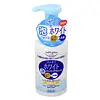 Benefits
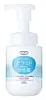
Concerns
Ingredients Side-by-side
Water
Skin ConditioningDipropylene Glycol
HumectantCocamide DEA
Emulsifying
Tea-Laurate/Myristate
CleansingPotassium Cocoate
Emulsifying

Lauryl Betaine
CleansingSodium Cocoamphoacetate
CleansingCoix Lacryma-Jobi Ma-Yuen Seed Extract
Skin ConditioningBetaine
Humectant


Butylene Glycol
Humectant
Disodium EDTA
Trisodium EDTA
Alcohol
Antimicrobial


Cetyl Ethylhexanoate
EmollientCitric Acid
Buffering

Cocamidopropyl Betaine
Cleansing
Potassium Cocoyl Glycinate
Surfactant
Tea-Cocoyl Glutamate
Cleansing
Disodium Laureth Sulfosuccinate
CleansingSodium Chloride
MaskingPhenoxyethanol
Preservative
Water, Dipropylene Glycol, Cocamide DEA, Tea-Laurate/Myristate, Potassium Cocoate, Lauryl Betaine, Sodium Cocoamphoacetate, Coix Lacryma-Jobi Ma-Yuen Seed Extract, Betaine, Butylene Glycol, Disodium EDTA, Trisodium EDTA, Alcohol, Cetyl Ethylhexanoate, Citric Acid, Cocamidopropyl Betaine, Potassium Cocoyl Glycinate, Tea-Cocoyl Glutamate, Disodium Laureth Sulfosuccinate, Sodium Chloride, Phenoxyethanol
Water
Skin ConditioningDipropylene Glycol
HumectantPotassium Cocoyl Glycinate
Surfactant
Sorbitol
Humectant
Potassium Cocoate
Emulsifying
Lauryl Betaine
CleansingCocamidopropyl Betaine
Cleansing
Glycerin
Humectant
Serine
Masking
Butylene Glycol
Humectant
Disodium EDTA
Trisodium EDTA
PEG-3 Cocamide
Emulsifying
Glycerylamidoethyl Methacrylate/Stearyl Methacrylate Copolymer
HumectantSodium Chloride
MaskingSodium Carbonate
BufferingPhenoxyethanol
Preservative
Water, Dipropylene Glycol, Potassium Cocoyl Glycinate, Sorbitol, Potassium Cocoate, Lauryl Betaine, Cocamidopropyl Betaine, Glycerin, Serine, Butylene Glycol, Disodium EDTA, Trisodium EDTA, PEG-3 Cocamide, Glycerylamidoethyl Methacrylate/Stearyl Methacrylate Copolymer, Sodium Chloride, Sodium Carbonate, Phenoxyethanol
Ingredients Explained
These ingredients are found in both products.
Ingredients higher up in an ingredient list are typically present in a larger amount.
Butylene Glycol (or BG) is used within cosmetic products for a few different reasons:
Overall, Butylene Glycol is a safe and well-rounded ingredient that works well with other ingredients.
Though this ingredient works well with most skin types, some people with sensitive skin may experience a reaction such as allergic rashes, closed comedones, or itchiness.
Learn more about Butylene GlycolCocamidopropyl Betaine is a fatty acid created by mixing similar compounds in coconut oil and dimethylaminopropylamine, a compound with two amino groups.
This ingredient is a surfactant and cleanser. It helps gather the dirt, pollutants, and other impurities in your skin to be washed away. It also helps thicken a product and make the texture more creamy.
Being created from coconut oil means Cocamidopropyl Betaine is hydrating for the skin.
While Cocamidopropyl Betaine was believed to be an allergen, a study from 2012 disproved this. It found two compounds in unpure Cocamidopropyl Betaine to be the irritants: aminoamide and 3-dimethylaminopropylamine. High-grade and pure Cocamidopropyl Betaine did not induce allergic reactions during this study.
Learn more about Cocamidopropyl BetaineDipropylene Glycol is a synthetically created humectant, stabilizer, and solvent.
This ingredient helps:
Dipropylene glycol is technically an alcohol, but it belongs to the glycol family (often considered part of the ‘good’ alcohols). This means it is hydrating and gentle on skin unlike drying solvent alcohols like denatured alcohol.
As a masking agent, Dipropylene Glycol can be used to cover the smell of other ingredients. However, it does not have a scent.
Studies show Dipropylene Glycol is considered safe to use in skincare.
Learn more about Dipropylene GlycolDisodium EDTA is a chelating agent. It grabs onto and deactivates metal ions that sneak into your products from water, packaging, or air.
This ingredient mainly works behind the scenes and helps with:
On top of that, this ingredient can counteract the effects of hard water by binding to the minerals in it.
One thing worth knowing is that Disodium EDTA has been shown to be a mild penetration enhancer. It can help other ingredients absorb into skin more effectively which can be a double-edged sword (great for actives, but can also make the active too strong if you have sensitive skin).
Clinical patch testing showed no significant skin irritation at typical use concentrations and minimal dermal absorption.
You'll most likely see this ingredient near the end of an ingredient list. It's typically found in concentrations less than 1%.
Learn more about Disodium EDTALauryl Betaine is a cleansing ingredient. You'll most likely see it in face washes, body washes, and shampoos. It's a type of surfactant that helps water mix with oil so dirt, sweat, and sunscreen can rinse off easily.
Chemically, lauryl betaine is an amphoteric surfactant so it carries both a positive and negative charge. This helps it create a creamy foam while being less harsh than stronger detergent-type cleansers.
According to CIR, this ingredient is generally considered safe when used in cosmetics. However, like all surfactants, it can be irritating when used in high amounts of in formulas that aren't well balanced.
Learn more about Lauryl BetainePhenoxyethanol is one of the most widely used preservatives in skincare (and for good reason!).
It has a large spectrum of antimicrobial activity and especially effective bacteria, yeast, and mold while only having a weak effect on your skin's natural microbiome.
On a cellular level, it disrupts the cell membranes of microbes by poking holes that make the cell leak. This shuts down the chemical reactions the microbe needs to make energy so it can no longer survive.
Another perk of this ingredient is that it stays functional across a wide pH range (3-10).
You'll often see it paired with boosters like Ethylhexylglycerin; one study showed that a 1:9 ratio of Ethylhexylglycerin to Phenoxyethanol damages bacterial membranes as effectively as doubling the Phenoxyethanol concentration on its own.
Typical use concentrations range from 0.3-1% depending on the formula, and this ingredient is capped at 1% int the EU.
Safety-wise, the fear mongering does not hold up to the evidence. The EU's Scientific Committee on Consumer Safety and FDA consider it safe as a preservative at up to 1%, including for children of all ages.
Adverse systemic effects only showed up in animal studies at exposures roughly 200x higher than what people get from cosmetics. And despite its very widespread use, this ingredient is a rare sensitizer and allergic reactions are uncommon.
Learn more about PhenoxyethanolPotassium Cocoate is basically a liquid coconut soap that's made by cooking coconut oil with potassium hydroxide.
It's a cleanser, foaming, and emulsifying agent that mostly shows up in soaps and "natural" cleansers.
Rinse-off concentrations typically range from 2-25%.
The finished product sits at a fairly high pH (~9-11) because it's a true soap. This just means it can feel drying or slightly stripping if a formula isn't balance with emollients.
Allergy and irritation risk is low as this ingredient was found to be an irritant in less than 1% of subjects (2 of these subjects had active psoriasis and 3 had active eczema).
Fungal acne: The Malassezia yeast feeds on fatty acids in the ~C12-24 range, and Potassium Cocoate is made of exactly those (Lauric C12, Myristic C14, Palmitic C16, Oleic C18:1). Lab studies have shown the yeast can take up Lauric Acid and grows readily on Palmitic Acid. Therefore, this ingredient may not be fungal acne safe.
Learn more about Potassium CocoatePotassium Cocoyl Glycinate is an amino acid-based surfactant and cleaning agent. This ingredient can be derived from animals or plants. It may also be synthetically created from fatty acids of the coconut and glycine.
Potassium Cocoyl Glycinate is a gentle surfactant. Surfactants help gather the dirt, oil, and other pollutants from your skin to be rinsed away. It is a mild cleanser and naturally produces foam.
Chances are, you eat sodium chloride every day. Sodium Chloride is also known as table salt. This ingredient has many purposes in skincare: thickener, emulsifier, and exfoliator.
You'll most likely find this ingredient in cleansers where it is used to create a gel-like texture. As an emulsifier, it also prevents ingredients from separating.
You might see people debate whether Sodium Chloride is comedogenic, but there actually haven't been any comedogenic tests done on it. Either way, the overall formulation of a product matters a lot more than any single ingredient.
You might see this ingredient used in scrubs as a primary exfoliating ingredient.
Learn more about Sodium ChlorideTrisodium EDTA is one of those quietly essential helper ingredients that most people have never heard of. You'll most likely spot it near the end of ingredient lists in almost every category of skincare.
So what does it actually do?
Its main job is chelation; this is a fancy word to say it grabs onto metal ions and neutralizes them. This is because even purified water in cosmetics contains trace amounts of metals that can cause big problems in a formula.
These trace metals can break down actives faster, cause discoloration, promote rancidity in oils, and make preservatives less effective. Trisodium EDTA binds to these metals and takes them out of the equation so your products can stay stable and effective for longer.
There's also an added bonus: by neutralizing the metals ions that bacteria need to thrive, this ingredient also acts as a preservative booster.
The Cosmetic Ingredient Review has concluded this ingredient to be safe as used in cosmetic formulations. It is not considered an irritant, sensitizer, and is barely absorbed through the skin.
Learn more about Trisodium EDTAWater. It's the most common cosmetic ingredient of all. You'll usually see it at the top of ingredient lists, meaning that it makes up the largest part of the product.
So why is it so popular? Water most often acts as a solvent - this means that it helps dissolve other ingredients into the formulation.
You'll also recognize water as that liquid we all need to stay alive. If you see this, drink a glass of water. Remember to stay hydrated!
Learn more about Water

