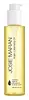
This oil-based makeup remover is made to dissolve makeup, sunscreen, and daily buildup.
This oil-based makeup remover is made to dissolve makeup, sunscreen, and daily buildup.

What's inside
What's inside
 Key Ingredients
Benefits
Concerns
Ingredients Side-by-side





Ethylhexyl Palmitate
Emollient




Caprylic/Capric Triglyceride
Masking


Carthamus Tinctorius Seed Oil
Masking
Lauryl Laurate
Skin Conditioning
Polyglyceryl-3 Laurate
EmulsifyingPolyhydroxystearic Acid
Emulsifying
Helianthus Annuus Seed Wax
Skin Conditioning
Polyglyceryl-10 Laurate
Skin Conditioning
Sclerocarya Birrea Seed Oil
Humectant
Euterpe Oleracea Fruit Oil
Skin Conditioning
Actinidia Chinensis Fruit Extract
EmollientFragaria Ananassa Seed Extract
Antioxidant
Vaccinium Macrocarpon Seed Oil
Skin Conditioning
Borago Officinalis Seed Oil
Emollient

Adansonia Digitata Seed Oil
Emollient
Polyglyceryl-2 Caprate
EmulsifyingCitrullus Lanatus Seed Oil
Emollient
Prunus Amygdalus Dulcis Oil
Skin Conditioning
Schinziophyton Rautanenii Kernel Oil
Emollient
Vaccinium Angustifolium Fruit Extract
Skin Protecting
Ximenia Americana Seed Oil
Emollient
Tocopherol
Antioxidant



Glycerin
Humectant
Ethylhexyl Palmitate, Caprylic/Capric Triglyceride, Carthamus Tinctorius Seed Oil, Lauryl Laurate, Polyglyceryl-3 Laurate, Polyhydroxystearic Acid, Helianthus Annuus Seed Wax, Polyglyceryl-10 Laurate, Sclerocarya Birrea Seed Oil, Euterpe Oleracea Fruit Oil, Actinidia Chinensis Fruit Extract, Fragaria Ananassa Seed Extract, Vaccinium Macrocarpon Seed Oil, Borago Officinalis Seed Oil, Adansonia Digitata Seed Oil, Polyglyceryl-2 Caprate, Citrullus Lanatus Seed Oil, Prunus Amygdalus Dulcis Oil, Schinziophyton Rautanenii Kernel Oil, Vaccinium Angustifolium Fruit Extract, Ximenia Americana Seed Oil, Tocopherol, Glycerin
Reviews
Ingredients Explained
These ingredients are found in both products.
Ingredients higher up in an ingredient list are typically present in a larger amount.
Carthamus Tinctorius Seed Oil comes from the seeds of the safflower plant. It is a skin conditioning agent that helps soften skin and keep it hydrated.
This seed oil has an unusual fatty acid profile: it is one of the highest linoleic acid plant oils out there (~55-77%). It also has low amounts of oleic acid, and this high-linoleic/low-oleic ratio gets people excited.
Linoleic acid helps maintain skin barrier integrity and is a building block for the ceramides in your stratum corneum. Notably, people with acne tend to have lower linoleic acid in their skin lipids as well (and this gets worse as acne gets more severe).
Overall, it's a lightweight, fast-absorbing oil that has a long safety track record. Lab testing has found it to be non-irritating for skin or eyes.
The Malassezia yeast can metabolize the fatty acids in this oil to grow; therefore this ingredient may not be fungal acne safe.
Learn more about Carthamus Tinctorius Seed OilTocopherol is a fat-soluble antioxidant known as Vitamin E.
You'll find this ingredient in the vast majority of skincare (for good reason). It works to neutralize free radicals, or unstable molecules generated by UV exposure, pollution, and other environmental stressors, before they can cause oxidative damage to your skin cells.
Topically applied tocopherol has been shown to protect against UV damage by ramping up the skin's own natural defense enzymes.
It also acts as a skin conditioning agent; some studies show that regular topical use can improve the skin's water-binding capacity over 2-4 weeks.
This ingredient is especially loved for being a team player. When combined with Vitamin C, the photoprotective effect of both ingredients roughly doubles and the combo also helps reduce UV-induced DNA damage.
This ingredient has some brightening potential but it's more of a prevention ingredient than spot-fader. Cell studies show it can slow down melanin production but it's worth noting that it's not the most powerful brightener out there.
In formulations, it also serves as a stabilizer that helps protect other oxidation-prone ingredients from degrading.
Concentrations usually range from 0.1-1% in most leave-on products.
Learn more about Tocopherol

