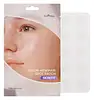
This blemish patch uses Hydrocolloid to cover open blemishes and absorb the fluid they release.
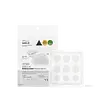
This acne treatment is formulated around 4-Terpineol and Salicylic Acid to clear breakouts.

What's inside
What's inside
 Key Ingredients
Benefits
Concerns
No concerns
Ingredients Side-by-side


Sodium Hyaluronate
Humectant




Cellulose Gum
Emulsion StabilisingTrehalose
Humectant
Glycerin
Humectant
Propanediol
Solvent
Succinic Acid
BufferingButylene Glycol
Humectant
Caprylyl Glycol
Emollient
4-Terpineol
Masking
1,2-Hexanediol
Skin Conditioning
Ethylhexylglycerin
Skin ConditioningSalicylic Acid
Masking









Silica
Abrasive
Melaleuca Alternifolia Leaf Oil
Antioxidant



Melaleuca Alternifolia Leaf Extract
Perfuming
Centella Asiatica Extract
Cleansing
Ethoxydiglycol
HumectantPantothenic Acid
Skin ConditioningTotarol
Antioxidant
Allium Sativum Bulb Extract
Skin ConditioningPropolis Extract
Skin Conditioning
Asiatic Acid
Skin Conditioning
Asiaticoside
Antioxidant
Madecassic Acid
Skin Conditioning
Madecassoside
Antioxidant
Sodium Hyaluronate, Cellulose Gum, Trehalose, Glycerin, Propanediol, Succinic Acid, Butylene Glycol, Caprylyl Glycol, 4-Terpineol, 1,2-Hexanediol, Ethylhexylglycerin, Salicylic Acid, Silica, Melaleuca Alternifolia Leaf Oil, Melaleuca Alternifolia Leaf Extract, Centella Asiatica Extract, Ethoxydiglycol, Pantothenic Acid, Totarol, Allium Sativum Bulb Extract, Propolis Extract, Asiatic Acid, Asiaticoside, Madecassic Acid, Madecassoside
Reviews
Ingredients Explained
These ingredients are found in both products.
Ingredients higher up in an ingredient list are typically present in a larger amount.
1,2-Hexanediol is a synthetic liquid and another multi-functional powerhouse.
It is a:
- Humectant, drawing moisture into the skin
- Emollient, helping to soften skin
- Solvent, dispersing and stabilizing formulas
- Preservative booster, enhancing the antimicrobial activity of other preservatives
Butylene Glycol (or BG) is used within cosmetic products for a few different reasons:
Overall, Butylene Glycol is a safe and well-rounded ingredient that works well with other ingredients.
Though this ingredient works well with most skin types, some people with sensitive skin may experience a reaction such as allergic rashes, closed comedones, or itchiness.
Learn more about Butylene GlycolCellulose Gum is a water-soluble polymer that comes from cellulose. It is used to change the texture of a product and to help stabilize emulsions.
As an emulsifier, cellulose gum specifically thicken the texture of water-based products.
This ingredient is considered hypoallergenic and non-toxic. Cellulose Gum can be found in cosmetics, food, and other household goods such as paper products.
Learn more about Cellulose Gum

