VT Cosmetics Garlic AC Reedle Shot Point Patch Versus The INKEY List Hydrocolloid Invisible Pimple Patches
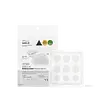
This acne treatment is formulated around 4-Terpineol and Salicylic Acid to clear breakouts.
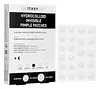
This blemish patch uses Hydrocolloid to cover open blemishes and absorb the fluid they release.


What's inside
What's inside
 Key Ingredients
Benefits
Concerns
Ingredients Side-by-side
Sodium Hyaluronate
Humectant




Cellulose Gum
Emulsion StabilisingTrehalose
Humectant
Glycerin
Humectant
Propanediol
Solvent
Succinic Acid
BufferingButylene Glycol
Humectant
Caprylyl Glycol
Emollient
4-Terpineol
Masking
1,2-Hexanediol
Skin Conditioning
Ethylhexylglycerin
Skin ConditioningSalicylic Acid
Masking









Silica
Abrasive
Melaleuca Alternifolia Leaf Oil
Antioxidant



Melaleuca Alternifolia Leaf Extract
Perfuming
Centella Asiatica Extract
Cleansing
Ethoxydiglycol
HumectantPantothenic Acid
Skin ConditioningTotarol
Antioxidant
Allium Sativum Bulb Extract
Skin ConditioningPropolis Extract
Skin Conditioning
Asiatic Acid
Skin Conditioning
Asiaticoside
Antioxidant
Madecassic Acid
Skin Conditioning
Madecassoside
Antioxidant
Sodium Hyaluronate, Cellulose Gum, Trehalose, Glycerin, Propanediol, Succinic Acid, Butylene Glycol, Caprylyl Glycol, 4-Terpineol, 1,2-Hexanediol, Ethylhexylglycerin, Salicylic Acid, Silica, Melaleuca Alternifolia Leaf Oil, Melaleuca Alternifolia Leaf Extract, Centella Asiatica Extract, Ethoxydiglycol, Pantothenic Acid, Totarol, Allium Sativum Bulb Extract, Propolis Extract, Asiatic Acid, Asiaticoside, Madecassic Acid, Madecassoside

Reviews
Ingredients Explained
These ingredients are found in both products.
Ingredients higher up in an ingredient list are typically present in a larger amount.
Cellulose Gum is a water-soluble polymer that comes from cellulose. It is used to change the texture of a product and to help stabilize emulsions.
As an emulsifier, cellulose gum specifically thicken the texture of water-based products.
This ingredient is considered hypoallergenic and non-toxic. Cellulose Gum can be found in cosmetics, food, and other household goods such as paper products.
Learn more about Cellulose GumSalicylic Acid (also known as beta hydroxy acid or BHA) is a well-known ingredient for treating skin that struggles with acne and clogged pores. It exfoliates both the skin's surface and deep within the pores to help clear out buildup, control oil, and reduce inflammation.
Unlike AHAs (alpha hydroxy acids), salicylic acid is oil-soluble. This allows it to penetrate into pores which makes it especially effective for treating blackheads and preventing future breakouts.
Salicylic acid is also known for its soothing properties. It has a similar structure to aspirin and can calm inflamed or irritated skin, making it a good option for acne-prone skin that is also sensitive.
Concentrations of 0.5-2% are recognized by the U.S. FDA as an over-the-counter topical acne product.
It can cause irritation and/or dryness if one's skin already has a compromised moisture barrier, so it's best to focus on repairing that before introducing this ingredient into your routine.
While salicylic acid does not increase sun sensitivity, it’s still important to wear sunscreen daily to protect your skin.
If you are looking for the ingredient called BHA or Butylated Hydroxyanisole, click here.
Learn more about Salicylic AcidSuccinic acid is an odorless white powder. It is naturally found in our bodies but can also be derived from living organisms.
Succinic acid is water-soluble. The pH level of this ingredient is between 4.2 and 5.6.
While succinic acid posesses antimicrobial, antioxidant, and anti-inflammatory properties, these properties have not been studied in skincare products.
Fun fact: Succinic acid was known as the 'spirit of amber' in the past. This is because it used to be derived from distilling amber.
Learn more about Succinic Acid

