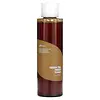
This calming toner is formulated around Camellia Sinensis Leaf Extract and Dipotassium Glycyrrhizate to calm redness and balance excess oil.
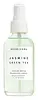
This oil-control toner is formulated around Salix Alba Bark Extract and Camellia Sinensis Leaf Extract to balance excess oil and refine the look of pores.


What's inside
What's inside
 Key Ingredients
Benefits
Concerns
No concerns
Ingredients Side-by-side
Water
Skin Conditioning1,2-Hexanediol
Skin Conditioning
Hydroxyacetophenone
Antioxidant
Camellia Sinensis Leaf Extract
Antimicrobial





Ammonium Acryloyldimethyltaurate/Vp Copolymer
Allantoin
Skin Conditioning

Disodium EDTA
ChelatingButylene Glycol
Humectant
Dipotassium Glycyrrhizate
Humectant
Hydrolyzed Hyaluronic Acid
Humectant
Phenoxyethanol
Preservative
Beta-Glucan
Skin Conditioning
Ginkgo Biloba Leaf Extract
Skin Conditioning
Centella Asiatica Extract
Cleansing
Salix Alba Bark Extract
Astringent
Vaccinium Angustifolium Fruit Extract
Skin Protecting
Ethylhexylglycerin
Skin ConditioningPinus Palustris Leaf Extract
TonicUlmus Davidiana Root Extract
Skin Conditioning
Oenothera Biennis Flower Extract
AstringentPueraria Lobata Root Extract
HumectantWater, 1,2-Hexanediol, Hydroxyacetophenone, Camellia Sinensis Leaf Extract, Ammonium Acryloyldimethyltaurate/Vp Copolymer, Allantoin, Disodium EDTA, Butylene Glycol, Dipotassium Glycyrrhizate, Hydrolyzed Hyaluronic Acid, Phenoxyethanol, Beta-Glucan, Ginkgo Biloba Leaf Extract, Centella Asiatica Extract, Salix Alba Bark Extract, Vaccinium Angustifolium Fruit Extract, Ethylhexylglycerin, Pinus Palustris Leaf Extract, Ulmus Davidiana Root Extract, Oenothera Biennis Flower Extract, Pueraria Lobata Root Extract
Jasminum Officinale Flower Water
MaskingHamamelis Virginiana Flower Water
AstringentAloe Barbadensis Leaf Water
MaskingSalix Alba Bark Extract
Astringent
Camellia Sinensis Leaf Extract
Antimicrobial





Jasminum Officinale Flower Water, Hamamelis Virginiana Flower Water, Aloe Barbadensis Leaf Water, Salix Alba Bark Extract, Camellia Sinensis Leaf Extract, Zingiber Officinale Root Extract, Leuconostoc/Radish Root Ferment Filtrate, Jasminum Grandiflorum Flower Extract, Melia Azadirachta Leaf Extract, Melia Azadirachta Flower Extract
Reviews
Ingredients Explained
These ingredients are found in both products.
Ingredients higher up in an ingredient list are typically present in a larger amount.
Camellia Sinensis Leaf Extract (tea extract) is one of the most well-researched plant extracts in skincare with an impressive resume.
Black tea, green tea, and oolong tea are all harvested from the Camellia Sinensis plant.
Studies show green tea extract and its catechins (like epigallocatechin gallate (EGCG)) help your skin cells product energy more efficiently and reducing the number of free-radicals that can damage your skin from the inside.
In lab-grown skin models, this translated to younger, healthier, and stronger skin.
There's also good sun protection data; researchers saw less DNA damage and redness on human skin when green tea was applied before UVB exposure. And the more they applied, the better the protection.
Needless to say, this ingredient shouldn't replace your sunscreen. But it is a great supportive ingredient that you can already find in many sunscreens and antioxidant serums.
A 2009 study found a 2% green tea lotion was effective for mild-to-moderate acne thanks to its anti-inflammatory and mild antimicrobial activity.
The quality of the extract matters a lot here:
Good extracts contain 50-90% catechins while lower quality ones are mostly there for marketing. We recommend reaching out to the brand if you have questions about the quality or source of their ingredients.
Human Repeated Insult Patch Testing showed no irritation or sensitization at use concentrations (0.86% in leave-on products and up to 30% as leaf water).
Learn more about Camellia Sinensis Leaf ExtractSalix Alba Bark Extract comes from the bark of the white willow tree. The official CosIng listing states this ingredient to have astringent, skin conditioning, soothing, and tonic properties.
Its star compound is salicin, a natural glucoside that is chemically related to salicylic acid. That's why you'll often see it marketed as a "natural BHA alternative" but that's a bit of a stretch.
Your skin can't convert salicin to salicylic acid because it needs specific enzymes that aren't present on the skin's surface. It won't behave like true salicylic acid, especially at the concentrations used in cosmetics.
However, this ingredient has its own perks. It contains flavonoids, polyphenols, and tannins that give it proven antioxidant and soothing properties.
An 8-week clinical study found a cream with 2% of this extract improved skin microcirculation, elasticity, and dark circles. This is most likely due to its role in increasing hyaluronic acid synthesis in fibroblasts and improved vascular integrity.
Another study found a topical serum with 0.5% salicin showed improvements in visible signs of aging, hyperpigmentation, and texture.
Just be careful if you have a known aspirin/salicylate allergy and be sure to consult with a medical professional about using this ingredient if you do.
Fun fact: Willow Bark extract has been used for thousands of years and ancient civilizations used white willow to help treat pain and fevers.
Learn more about Salix Alba Bark Extract

