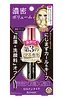
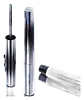
ISEHAN Kiss Me Heroine Volume & Curl Mascara Advanced Film Versus Judydoll 3D Curling Eyelash Iron Mascara


What's inside
What's inside
 Key Ingredients
Benefits
Concerns
Ingredients Side-by-side
Isododecane
EmollientTrimethylsiloxysilicate
Emollient
Talc
Abrasive
PEG-20 Sorbitan Isostearate
Emulsifying

Disteardimonium Hectorite
StabilisingCeresin
Emulsion StabilisingHydrogenated Polyisobutene
EmollientDextrin Palmitate/Ethylhexanoate
Emulsifying
Microcrystalline Wax
Emulsion StabilisingBeeswax
Emulsion Stabilising


Propylene Carbonate
SolventArgania Spinosa Kernel Oil
Emollient





Rosa Canina Fruit Oil
Emollient
Camellia Seed Oil
Royal Jelly Extract
Skin Conditioning
Ptfe
Aluminum Distearate
Emulsion StabilisingNylon-66
Glyceryl Isostearate
Emollient
Polymethylsilsesquioxane
Hydrogen Dimethicone
Diethylaminoethyl Methacrylate/Hema/Perfluorohexylethyl Methacrylate Crosspolymer
Squalane
Emollient
Iron Oxides
Mica
Cosmetic ColorantTitanium Dioxide
Cosmetic Colorant

Isododecane, Trimethylsiloxysilicate, Talc, PEG-20 Sorbitan Isostearate, Disteardimonium Hectorite, Ceresin, Hydrogenated Polyisobutene, Dextrin Palmitate/Ethylhexanoate, Microcrystalline Wax, Beeswax, Propylene Carbonate, Argania Spinosa Kernel Oil, Rosa Canina Fruit Oil, Camellia Seed Oil, Royal Jelly Extract, Ptfe, Aluminum Distearate, Nylon-66, Glyceryl Isostearate, Polymethylsilsesquioxane, Hydrogen Dimethicone, Diethylaminoethyl Methacrylate/Hema/Perfluorohexylethyl Methacrylate Crosspolymer, Squalane, Iron Oxides, Mica, Titanium Dioxide
Isododecane
EmollientTrimethylsiloxysilicate
Emollient
Dextrin Palmitate
Emulsifying
Microcrystalline Wax
Emulsion StabilisingCeresin
Emulsion StabilisingPolypropylsilsesquioxane
Paraffin
Skin Conditioning
Disteardimonium Hectorite
StabilisingHydrogenated Polyisobutene
EmollientSynthetic Wax
Abrasive
Rayon
CI 77491
Cosmetic ColorantCI 77499
Cosmetic ColorantCI 77007
Cosmetic ColorantPropylene Carbonate
SolventSilica
Abrasive
Polymethylsilsesquioxane
Phenethyl Alcohol
MaskingCaprylic/Capric Triglyceride
Masking
CI 77492
Cosmetic ColorantMica
Cosmetic ColorantCI 75470
Cosmetic ColorantTriethoxycaprylylsilane
CI 77266
Cosmetic ColorantPanthenol
Skin Conditioning
BHT
Antioxidant
Isododecane, Trimethylsiloxysilicate, Dextrin Palmitate, Microcrystalline Wax, Ceresin, Polypropylsilsesquioxane, Paraffin, Disteardimonium Hectorite, Hydrogenated Polyisobutene, Synthetic Wax, Rayon, CI 77491, CI 77499, CI 77007, Propylene Carbonate, Silica, Polymethylsilsesquioxane, Phenethyl Alcohol, Caprylic/Capric Triglyceride, CI 77492, Mica, CI 75470, Triethoxycaprylylsilane, CI 77266, Panthenol, BHT
Reviews
Ingredients Explained
These ingredients are found in both products.
Ingredients higher up in an ingredient list are typically present in a larger amount.
Ceresin is a wax derived from ozokerite. It is an alternative to beeswax.
The most common process of creating ceresin is by using heat and sulfuric acid.
Disteardimonium Hectorite comes from the clay mineral named hectorite. It is used to add thickness to a product.
It can also help stabilize a product by helping to disperse other ingredients.
Hectorite is a rare, white clay mineral.
Learn more about Disteardimonium HectoriteHydrogenated Polyisobutene is a synthetic polymer. Polymers are compounds with high molecular weight. Hydrogenated Polyisobutene is an emollient and texture enhancer.
In one study, Hydrogenated Polyisobutene showed better skin hydration levels than Caprylic/Capric Triglyceride. As an emollient, it helps keep your skin soft and hydrated by trapping moisture in.
Hydrogenated Polyisobutene is often used as a mineral oil replacement.
Learn more about Hydrogenated PolyisobuteneIsododecane is a fragrance, emollient, and solvent.
As an emollient, it helps your skin stay soft and hydrated. Emollients help trap moisture into your skin.
Isododecane's role as a solvent makes it a great texture enhancer. It spreads smoothly on skin and does not leave a sticky feeling behind. Isododecane also helps prevent color transfer in makeup products.
Isododecane is not absorbed into skin.
The chemical name for this ingredient is 2,2,4,6,6-PENTAMETHYLHEPTANE.
Learn more about IsododecaneMica is a naturally occurring mineral used to add shimmer and color in cosmetics. It can also help improve the texture of a product or give it an opaque, white/silver color.
Serecite is the name for very fine but ragged grains of mica.
This ingredient is often coated with metal oxides like titanium dioxide. Trace amounts of heavy metals may be found in mica, but these metals are not harmful in our personal products.
Mica has been used since prehistoric times throughout the world. Ancient Egyptian, Indian, Greek, Roman, Aztec, and Chinese civilizations have used mica.
Learn more about MicaMicrocrystalline Wax is derived from petroleum through a de-oiling process, then highly refined and purified before use in cosmetics.
In skincare formulations, it is used to improve texture and create a smooth, even consistency. It also helps stabilize products by preventing ingredients from separating.
Polymethylsilsesquioxane is a silicone used as a film forming agent.
When applied to the skin, this ingredient creates an invisible film on the surface. This film still allows oxygen to pass through, but prevents moisture from escaping. This can help condition and hydrate the skin. It also leaves a silky feel when applied.
Polymethylsilsesquioxane has not been shown to clog pores. It has been deemed safe to use up to 55%, but most cosmetics use much less.
If you have concerns about using this ingredient, we recommend speaking with a professional.
Learn more about PolymethylsilsesquioxaneThis ingredient is a solvent. It helps dissolve active ingredients and alter the texture of products.
Propylene Carbonate is commonly used in makeup and with clay, such as montmorillonite or bentonite.
Studies show this ingredient to be safe for cosmetics. When it is undiluted, it can cause skin irritation. (It is always diluted in skincare and makeup). This ingredient is water-soluble.
Propylene Carbonate is created from propylene glycol and carbonic acid.
Learn more about Propylene CarbonateThis silicone is an emollient. Emollients create a thin film on the skin to prevent moisture from escaping.
It is not soluble in water and helps increase water-resistance in products.
According to a manufacturer, it can blend seamlessly with silicone oils, such as Cyclopentasiloxane.
Learn more about Trimethylsiloxysilicate

