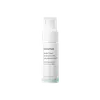
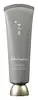
innisfree Gentle Care for Sensitive Skin Concentrated Serum Versus Sulwhasoo Herbal Clay Purifying Mask
This calming serum is formulated around Madecassoside to calm redness and strengthen the skin barrier.

What's inside
What's inside
 Key Ingredients
Benefits
Ingredients Side-by-side
Water
Skin ConditioningGlycerin
Humectant


Kaolin
Abrasive



Butylene Glycol
Humectant
CI 77891
Cosmetic ColorantBentonite
Absorbent
1,2-Hexanediol
Skin Conditioning
Silica
Abrasive
Microcrystalline Cellulose
AbsorbentSea Silt
Skin ConditioningArtemisia Montana Leaf Powder
Exfoliating
Cellulose Gum
Emulsion StabilisingXanthan Gum
EmulsifyingHouttuynia Cordata Powder
Skin ConditioningGlyceryl Caprylate
EmollientEthylhexylglycerin
Skin ConditioningDisodium EDTA
ChelatingDioscorea Japonica Root Extract
Skin Conditioning
Propanediol
Solvent
Gluconolactone
Chelating



Rubus Idaeus Fruit Extract
AstringentUlmus Davidiana Root Extract
Skin Conditioning
Honey
Humectant
Salicornia Herbacea Extract
Skin ConditioningMorus Alba Leaf Extract
Skin ConditioningAngelica Keiskei Extract
Antioxidant
Nelumbo Nucifera Flower Extract
Skin ConditioningPolygonatum Officinale Rhizome/Root Extract
Skin ConditioningRehmannia Glutinosa Root Extract
Skin ConditioningPaeonia Albiflora Root Extract
Skin ConditioningLilium Candidum Bulb Extract
Skin ConditioningGlycyrrhiza Uralensis Root Extract
Skin Conditioning
Tocopherol
Antioxidant

Water, Glycerin, Kaolin, Butylene Glycol, CI 77891, Bentonite, 1,2-Hexanediol, Silica, Microcrystalline Cellulose, Sea Silt, Artemisia Montana Leaf Powder, Cellulose Gum, Xanthan Gum, Houttuynia Cordata Powder, Glyceryl Caprylate, Ethylhexylglycerin, Disodium EDTA, Dioscorea Japonica Root Extract, Propanediol, Gluconolactone, Rubus Idaeus Fruit Extract, Ulmus Davidiana Root Extract, Honey, Salicornia Herbacea Extract, Morus Alba Leaf Extract, Angelica Keiskei Extract, Nelumbo Nucifera Flower Extract, Polygonatum Officinale Rhizome/Root Extract, Rehmannia Glutinosa Root Extract, Paeonia Albiflora Root Extract, Lilium Candidum Bulb Extract, Glycyrrhiza Uralensis Root Extract, Tocopherol
Reviews
Ingredients Explained
These ingredients are found in both products.
Ingredients higher up in an ingredient list are typically present in a larger amount.
1,2-Hexanediol is a synthetic liquid and another multi-functional powerhouse.
It is a:
- Humectant, drawing moisture into the skin
- Emollient, helping to soften skin
- Solvent, dispersing and stabilizing formulas
- Preservative booster, enhancing the antimicrobial activity of other preservatives
Glycerin (or glycerol) is a compound naturally found in your skin. It's a powerhouse humectant that pulls water into the stratum corneum.
Topically, glycerin does several things at once:
Your skin makes glycerin on its own (mostly from sebaceous oil breakdown) and shuttles it to your outermost layer of skin, or your epidermis, via aquaporin-3.
Aquaporin-3 is a transporter that is essential for normal skin hydration, elasticity, and repair. Interestingly, mice lacking in AQP3 have dry and less elastic skin that can be fully corrected with glycerin.
This ingredient is non-irritating, plays well with almost every ingredient, and works across all skin types. Typical use is anywhere between 3-10% but can go up to 79% in some leave-on products.
Just know very high concentrations (>40%) can feel tacky in low humidity.
Glycerin is the name for this ingredient in American English. British English uses Glycerol/Glycerine.
Learn more about GlycerinGlyceryl Caprylate comes from glycerin and caprylic acid. It is an emollient, co-emulsifier, and preservative booster.
Its short C8 fatty acid chain makes it behave differently from its longer-chain emollient cousins like Glyceryl Stearate. It feels more lightweight, fast-absorbing, and silky instead of rich and waxy.
As a co-emulsifier, its "head" and "tail" sit at the oil-water interface. But overall, the short C8 tail and not being water soluble means it doesn't really have the muscle to emulsify a formula on its own. That's why you'll often see it paired with a primary emulsifier like Cetearyl Glucoside.
Interestingly, Glyceryl Caprylate acts as a preservative booster. This is because its fatty-acid backbone disrupts microbial lipid membranes. It shows excellent activity against bacteria and yeast but is weaker against mold.
Typical concentrations range from 0.5-1% and this ingredient is generally non-irritating.
Because this ingredient has a C8 fatty acid chain, it is outside the range that the Malassezia yeast metabolizes (making it fungal acne safe).
Learn more about Glyceryl CaprylatePropanediol is an all-star ingredient. It softens, hydrates, and smooths the skin.
It’s often used to:
Propanediol is not likely to cause sensitivity and considered safe to use. It is derived from corn or petroleum with a clear color and no scent.
Learn more about PropanediolWater. It's the most common cosmetic ingredient of all. You'll usually see it at the top of ingredient lists, meaning that it makes up the largest part of the product.
So why is it so popular? Water most often acts as a solvent - this means that it helps dissolve other ingredients into the formulation.
You'll also recognize water as that liquid we all need to stay alive. If you see this, drink a glass of water. Remember to stay hydrated!
Learn more about WaterXanthan gum is used as a stabilizer and thickener within cosmetic products. It helps give products a sticky, thick feeling - preventing them from being too runny.
On the technical side of things, xanthan gum is a polysaccharide - a combination consisting of multiple sugar molecules bonded together.
Xanthan gum is a pretty common and great ingredient. It is a natural, non-toxic, non-irritating ingredient that is also commonly used in food products.
Learn more about Xanthan Gum

