This hydrating serum is formulated around Sodium Hyaluronate and Panthenol to hydrate skin and strengthen the skin barrier.


What's inside
What's inside
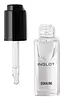 Key Ingredients
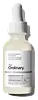
No key ingredients
Benefits
No benefits
Concerns
No concerns
Ingredients Side-by-side

Water
Skin ConditioningSodium Hyaluronate
Humectant




Propanediol
Solvent
Pentylene Glycol
Skin Conditioning
Hydrolyzed Hyaluronic Acid
Humectant
Sodium Hyaluronate Crosspolymer
Humectant
Phospholipids
Skin Conditioning
Sphingolipids
Emollient
Panthenol
Skin Conditioning
Ahnfeltiopsis Concinna Extract
Skin Conditioning

Glycerin
Humectant
Polysorbate 20
Emulsifying

Citric Acid
Buffering

Sodium Citrate
BufferingP-Anisic Acid
MaskingTocopherol
Antioxidant


Trisodium Ethylenediamine Disuccinate
ChelatingCaprylyl Glycol
Emollient
Ethoxydiglycol
HumectantEthylhexylglycerin
Skin ConditioningHexylene Glycol
EmulsifyingPhenoxyethanol
Preservative
Chlorphenesin
Antimicrobial
Water, Sodium Hyaluronate, Propanediol, Pentylene Glycol, Hydrolyzed Hyaluronic Acid, Sodium Hyaluronate Crosspolymer, Phospholipids, Sphingolipids, Panthenol, Ahnfeltiopsis Concinna Extract, Glycerin, Polysorbate 20, Citric Acid, Sodium Citrate, P-Anisic Acid, Tocopherol, Trisodium Ethylenediamine Disuccinate, Caprylyl Glycol, Ethoxydiglycol, Ethylhexylglycerin, Hexylene Glycol, Phenoxyethanol, Chlorphenesin
Reviews
Alternatives
Ingredients Explained
These ingredients are found in both products.
Ingredients higher up in an ingredient list are typically present in a larger amount.
Caprylyl Glycol is a humectant, skin conditioner, emollient, and preservative booster derived from either caprylic acid or synthetically created.
Typical use levels vary from 0.3-1% as a preservative booster and go up to 2% to condition skin.
Because it is not a free-fatty acid, this ingredient is fungal acne safe (there's nothing for Malassezia to feed on).
Learn more about Caprylyl GlycolHexylene Glycol is a multitasker ingredient that works as a solvent, humectant, emulsifier, viscosity reducer, and preservative booster.
It is able to dissolve both water and oil-soluble ingredients to stabilize tricky actives and make products spread more easily.
As a humectant, it pulls water into the skin. But it's a pretty minor moisturizing ingredient compared to other humectants, like glycerin.
Interestingly, it can act as a mild penetration enhancer. One in vitro study on human skin found a 12% concentration upped the absorption of mometasone furoate (a medicinal ingredient used to treat inflammatory skin conditions) up to 7%.
This ingredient is typically used at levels of 0.1-10% depending on the role it's playing.
A patch test study on eczema patients didn't find a significant increase in irritation versus the control group, but the potential for irritation rises at higher concentrations.
Learn more about Hexylene GlycolPhenoxyethanol is one of the most widely used preservatives in skincare (and for good reason!).
It has a large spectrum of antimicrobial activity and especially effective bacteria, yeast, and mold while only having a weak effect on your skin's natural microbiome.
On a cellular level, it disrupts the cell membranes of microbes by poking holes that make the cell leak. This shuts down the chemical reactions the microbe needs to make energy so it can no longer survive.
Another perk of this ingredient is that it stays functional across a wide pH range (3-10).
You'll often see it paired with boosters like Ethylhexylglycerin; one study showed that a 1:9 ratio of Ethylhexylglycerin to Phenoxyethanol damages bacterial membranes as effectively as doubling the Phenoxyethanol concentration on its own.
Typical use concentrations range from 0.3-1% depending on the formula, and this ingredient is capped at 1% int the EU.
Safety-wise, the fear mongering does not hold up to the evidence. The EU's Scientific Committee on Consumer Safety and FDA consider it safe as a preservative at up to 1%, including for children of all ages.
Adverse systemic effects only showed up in animal studies at exposures roughly 200x higher than what people get from cosmetics. And despite its very widespread use, this ingredient is a rare sensitizer and allergic reactions are uncommon.
Learn more about Phenoxyethanol

