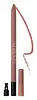
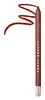
Huda Beauty Lip Contour 2.0 Automatic Matte Lip Pencil Versus Fenty Beauty Trace'd Out Pencil Lip Liner

What's inside
What's inside
 Key Ingredients
Benefits
Concerns
Ingredients Side-by-side
Dimethicone
Emollient

Synthetic Wax
Abrasive

Trimethylsiloxysilicate
Emollient
Phenylpropyldimethylsiloxysilicate
EmollientKaolin
Abrasive


Mica
Cosmetic ColorantDiisostearyl Malate
EmollientStearoxymethicone/Dimethicone Copolymer
Emollient
Calcium Silicate
AbsorbentSynthetic Fluorphlogopite
Dicalcium Phosphate
Abrasive
Glycine Soja Seed Extract
Skin Conditioning

Glycyrrhiza Glabra Leaf Extract
Skin ConditioningDictyopteris Polypodioides Extract
EmollientPhospholipids
Skin Conditioning

Copernicia Cerifera Cera
Emollient

Caprylic/Capric Triglyceride
Masking
Polyhydroxystearic Acid
Emulsifying
Microcrystalline Wax
Emulsion StabilisingDisteardimonium Hectorite
StabilisingIsostearic Acid
Cleansing

Pentaerythrityl Tetra-Di-T-Butyl Hydroxyhydrocinnamate
Antioxidant
Propylene Carbonate
SolventLecithin
Emollient
Polyglyceryl-3 Polyricinoleate
Emulsifying
Silica
Abrasive
CI 19140
Cosmetic ColorantCI 77891
Cosmetic ColorantCI 42090
Cosmetic ColorantCI 15850
Cosmetic ColorantCI 77491
Cosmetic ColorantCI 77492
Cosmetic ColorantCI 77742
Cosmetic ColorantCI 15985
Cosmetic ColorantDimethicone, Synthetic Wax, Trimethylsiloxysilicate, Phenylpropyldimethylsiloxysilicate, Kaolin, Mica, Diisostearyl Malate, Stearoxymethicone/Dimethicone Copolymer, Calcium Silicate, Synthetic Fluorphlogopite, Dicalcium Phosphate, Glycine Soja Seed Extract, Glycyrrhiza Glabra Leaf Extract, Dictyopteris Polypodioides Extract, Phospholipids, Copernicia Cerifera Cera, Caprylic/Capric Triglyceride, Polyhydroxystearic Acid, Microcrystalline Wax, Disteardimonium Hectorite, Isostearic Acid, Pentaerythrityl Tetra-Di-T-Butyl Hydroxyhydrocinnamate, Propylene Carbonate, Lecithin, Polyglyceryl-3 Polyricinoleate, Silica, CI 19140, CI 77891, CI 42090, CI 15850, CI 77491, CI 77492, CI 77742, CI 15985
Dimethicone
Emollient
Trimethylsiloxysilicate
Emollient
Synthetic Fluorphlogopite
Silica
Abrasive
Polyisobutene
Polyethylene
Abrasive
Ozokerite
Emulsion StabilisingAcrylates/Stearyl Acrylate/Dimethicone Methacrylate Copolymer
Disteardimonium Hectorite
StabilisingPentaerythrityl Tetra-Di-T-Butyl Hydroxyhydrocinnamate
Antioxidant
Propylene Carbonate
SolventCI 77891
Cosmetic ColorantIron Oxides
CI 15850
Cosmetic ColorantCI 45410
Cosmetic ColorantDimethicone, Trimethylsiloxysilicate, Synthetic Fluorphlogopite, Silica, Polyisobutene, Polyethylene, Ozokerite, Acrylates/Stearyl Acrylate/Dimethicone Methacrylate Copolymer, Disteardimonium Hectorite, Pentaerythrityl Tetra-Di-T-Butyl Hydroxyhydrocinnamate, Propylene Carbonate, CI 77891, Iron Oxides, CI 15850, CI 45410
Reviews
Ingredients Explained
These ingredients are found in both products.
Ingredients higher up in an ingredient list are typically present in a larger amount.
Ci 15850 is the pigment color red. It is an azo dye and created synthetically.
Azo dyes need to be thoroughly purified before use. This allows them to be more stable and longer-lasting.
This ingredient is common in foundations, lipsticks, and blushes. This color is described as brown/orangey red.
It has many secondary names such as Red 6 and Red 7. According to a manufacturer, Red 6 usually contains aluminum.
Learn more about CI 15850Ci 77891 is a white pigment from Titanium dioxide. It is naturally found in minerals such as rutile and ilmenite.
It's main function is to add a white color to cosmetics. It can also be mixed with other colors to create different shades.
Ci 77891 is commonly found in sunscreens due to its ability to block UV rays.
Learn more about CI 77891Dimethicone is a type of synthetic silicone created from natural materials such as quartz. It is also known as polydimethylsiloxane.
What it does:
Dimethicone comes in different viscosities:
Depending on the viscosity, dimethicone has different properties.
Ingredients lists don't always show which type is used, so we recommend reaching out to the brand if you have questions about the viscosity.
This ingredient is unlikely to cause irritation because it does not get absorbed into skin. However, people with silicone allergies should be careful about using this ingredient.
Note: Dimethicone may contribute to pilling. This is because it is not oil or water soluble, so pilling may occur when layered with products. When mixed with heavy oils in a formula, the outcome is also quite greasy.
Learn more about DimethiconeDisteardimonium Hectorite comes from the clay mineral named hectorite. It is used to add thickness to a product.
It can also help stabilize a product by helping to disperse other ingredients.
Hectorite is a rare, white clay mineral.
Learn more about Disteardimonium HectoritePentaerythrityl Tetra-Di-T-Butyl Hydroxyhydrocinnamate (long name, huh?) is a synthetic antioxidant.
It is used to help stabilize other antioxidants or prevent the color from changing in a product.
As an antioxidant, it helps fight free-radical molecules. Free-radical molecules are capable of damaging our cells and other genetic material. Thus, antioxidants may reduce the signs of aging.
This ingredient is oil-soluble.
Learn more about Pentaerythrityl Tetra-Di-T-Butyl HydroxyhydrocinnamateThis ingredient is a solvent. It helps dissolve active ingredients and alter the texture of products.
Propylene Carbonate is commonly used in makeup and with clay, such as montmorillonite or bentonite.
Studies show this ingredient to be safe for cosmetics. When it is undiluted, it can cause skin irritation. (It is always diluted in skincare and makeup). This ingredient is water-soluble.
Propylene Carbonate is created from propylene glycol and carbonic acid.
Learn more about Propylene CarbonateSilica, also known as silicon dioxide, is a naturally occurring mineral. It is used as a fine, spherical, and porous powder in cosmetics.
Though it has exfoliant properties, the function of silica varies depending on the product.
The unique structure of silica enhances the spreadability and adds smoothness, making it a great texture enhancer.
It is also used as an active carrier, emulsifier, and mattifier due to its ability to absorb excess oil.
In some products, tiny microneedles called spicules are made from silica or hydrolyzed sponge. When you rub them in, they lightly polish away dead skin layers and enhance the penetration of active ingredients.
Learn more about SilicaSynthetic Fluorphlogopite is the synthethic version of mica. It consists of fluorine, aluminum and silicate.
Synthetic Fluorphlogopite is used to add volume to products.
It is considered non-irritating on the skin.
Learn more about Synthetic FluorphlogopiteThis silicone is an emollient. Emollients create a thin film on the skin to prevent moisture from escaping.
It is not soluble in water and helps increase water-resistance in products.
According to a manufacturer, it can blend seamlessly with silicone oils, such as Cyclopentasiloxane.
Learn more about Trimethylsiloxysilicate

