

What's inside
What's inside
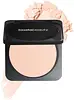 Key Ingredients
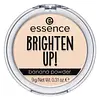
Benefits
Concerns
Ingredients Side-by-side
Mica
Cosmetic ColorantSynthetic Fluorphlogopite
Silica
Abrasive


Dimethicone
Emollient

Zinc Stearate
Cosmetic ColorantOctyldodecyl Stearoyl Stearate
Emollient

Diisostearyl Malate
EmollientPentylene Glycol
Skin Conditioning
Phenyl Trimethicone
Skin Conditioning
Caprylyl Glycol
Emollient
Oryza Sativa Starch
AbsorbentSodium Dehydroacetate
Preservative
Tocopheryl Acetate
Antioxidant


Sorbitan Sesquioleate
Emulsifying
Kaolin
Abrasive
CI 77492
Cosmetic ColorantCI 77491
Cosmetic ColorantUltramarines
CI 77007
Cosmetic ColorantCI 19140
Cosmetic ColorantCI 77499
Cosmetic ColorantCI 73360
Cosmetic ColorantMica, Synthetic Fluorphlogopite, Silica, Dimethicone, Zinc Stearate, Octyldodecyl Stearoyl Stearate, Diisostearyl Malate, Pentylene Glycol, Phenyl Trimethicone, Caprylyl Glycol, Oryza Sativa Starch, Sodium Dehydroacetate, Tocopheryl Acetate, Sorbitan Sesquioleate, Kaolin, CI 77492, CI 77491, Ultramarines, CI 77007, CI 19140, CI 77499, CI 73360
Mica
Cosmetic ColorantKaolin
Abrasive
Magnesium Stearate
Cosmetic ColorantCaprylic/Capric Triglyceride
Masking

Synthetic Fluorphlogopite
Copernicia Cerifera Cera
Emollient
Isocetyl Stearoyl Stearate
Emollient
Saccharomyces Ferment
Skin Conditioning
Caprylyl Glycol
Emollient
Glyceryl Caprylate
EmollientPentylene Glycol
Skin Conditioning
Hexylene Glycol
EmulsifyingMagnolia Officinalis Bark Extract
Antimicrobial
Phenoxyethanol
Preservative
Potassium Sorbate
Preservative
Sodium Benzoate
Masking
CI 77491
Cosmetic ColorantCI 77492
Cosmetic ColorantCI 77891
Cosmetic ColorantMica, Kaolin, Magnesium Stearate, Caprylic/Capric Triglyceride, Synthetic Fluorphlogopite, Copernicia Cerifera Cera, Isocetyl Stearoyl Stearate, Saccharomyces Ferment, Caprylyl Glycol, Glyceryl Caprylate, Pentylene Glycol, Hexylene Glycol, Magnolia Officinalis Bark Extract, Phenoxyethanol, Potassium Sorbate, Sodium Benzoate, CI 77491, CI 77492, CI 77891
Reviews
Ingredients Explained
These ingredients are found in both products.
Ingredients higher up in an ingredient list are typically present in a larger amount.
Caprylyl Glycol is a humectant, skin conditioner, emollient, and preservative booster derived from either caprylic acid or synthetically created.
Typical use levels vary from 0.3-1% as a preservative booster and go up to 2% to condition skin.
Because it is not a free-fatty acid, this ingredient is fungal acne safe (there's nothing for Malassezia to feed on).
Learn more about Caprylyl GlycolCi 77491 is also hydrated iron III oxide. It's sole purpose is to give a red/pink hue to products.
Iron III oxides are classified as inorganic chemicals for coloring.
Synthetically created Ci 77491 is considered safer than those naturally found. This is because the synthetically created version may contain less impurities. Iron oxides are generally non-toxic and non-allergenic.
Learn more about CI 77491CI 77492 is also hydrated iron III oxide. It's sole purpose is to give a yellow hue to products.
Iron III oxides are classified as inorganic chemicals for coloring.
Synthetically created CI 77492 is considered safer than those naturally found. This is because the synthetically created version may contain less impurities. Iron oxides are generally non-toxic and non-allergenic.
Learn more about CI 77492Kaolin is a clay. It is used for oil control and to help minimize pores. Like other clays, kaolin has the ability to absorb excess sebum or oil. This can help clean out pores and mattify the skin.
Some types of kaolin may have exfoliating properties. When water is added to kaolin, it becomes a paste with small abrasive particles.
Most kaolin is a white color, but may be pink/orange/red depending on where it comes from.
The name 'kaolin' comes from a Chinese village named 'Gaoling'. Kaolin clay comes from rocks rich in kaolinite. Kaolinite, the mineral, has a silicate layered structure. Kaolinite is formed from chemical weathering of aluminum siilicate minerals.
Besides skincare, kaolin is commonly used to make glossy paper, in ceramics, toothpaste, and as medicine to soothe stomach issues.
Learn more about KaolinMica is a naturally occurring mineral used to add shimmer and color in cosmetics. It can also help improve the texture of a product or give it an opaque, white/silver color.
Serecite is the name for very fine but ragged grains of mica.
This ingredient is often coated with metal oxides like titanium dioxide. Trace amounts of heavy metals may be found in mica, but these metals are not harmful in our personal products.
Mica has been used since prehistoric times throughout the world. Ancient Egyptian, Indian, Greek, Roman, Aztec, and Chinese civilizations have used mica.
Learn more about MicaPentylene Glycol (1,2-pentanediol) is a multitasking little diol with three main roles in a formula:
Research on alkanediols (the family pentylene glycol belongs to) show they work by disrupting microbial cell membranes. This disruption helps the primary preservative system in a product work more effectively at lower doses.
On the safety side, the Cosmetic Ingredient Review Expert Panel has concluded this ingredient to be safe as used in current cosmetic practices + concentrations.
Typical use levels in a formula run about 1-5%.
Learn more about Pentylene GlycolSynthetic Fluorphlogopite is the synthethic version of mica. It consists of fluorine, aluminum and silicate.
Synthetic Fluorphlogopite is used to add volume to products.
It is considered non-irritating on the skin.
Learn more about Synthetic Fluorphlogopite

