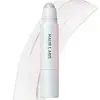
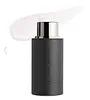
Haus Labs By Lady Gaga Bio-Radiant Glassy Balm Highlighter Stick Versus Westman Atelier Lit Up Glow Highlighter Stick

What's inside
What's inside
 Key Ingredients
Benefits
Concerns
Ingredients Side-by-side
Pentaerythrityl Tetraisostearate
Emollient

Octyldodecanol
Emollient
Polybutene
Diisostearyl Malate
EmollientSynthetic Wax
Abrasive

Bis-Diglyceryl Polyacyladipate-2
Emollient
Vp/Hexadecene Copolymer
Synthetic Fluorphlogopite
Arnica Montana Flower Extract
Masking
Undaria Pinnatifida Extract
Skin ConditioningCrithmum Maritimum Extract
Skin ConditioningSodium Hyaluronate
Humectant



Squalane
Emollient
Prunus Armeniaca Kernel Oil
Masking


Pseudozyma Epicola/Camellia Sinensis Seed Oil Ferment Extract Filtrate
Humectant
Pseudozyma Epicola/Apricot Kernel Oil/Olive Fruit Oil/Sunflower Seed Oil/Sweet Almond Oil/(Angelica Gigas/Lithospermum Erythrorhizon) Root Extract Ferment Extract Filtrate
Pseudozyma Epicola/Sunflower Seed Oil Ferment Extract Filtrate
Emulsion Stabilising
Caprylic/Capric Triglyceride
Masking
Ricinus Communis Seed Oil
Masking
Pentaerythrityl Tetra-Di-T-Butyl Hydroxyhydrocinnamate
Antioxidant
Hydrogenated Castor Oil
Emollient
Tin Oxide
Abrasive
Mica
Cosmetic ColorantCI 77499
Cosmetic ColorantCI 77891
Cosmetic ColorantPentaerythrityl Tetraisostearate, Octyldodecanol, Polybutene, Diisostearyl Malate, Synthetic Wax, Bis-Diglyceryl Polyacyladipate-2, Vp/Hexadecene Copolymer, Synthetic Fluorphlogopite, Arnica Montana Flower Extract, Undaria Pinnatifida Extract, Crithmum Maritimum Extract, Sodium Hyaluronate, Squalane, Prunus Armeniaca Kernel Oil, Pseudozyma Epicola/Camellia Sinensis Seed Oil Ferment Extract Filtrate, Pseudozyma Epicola/Apricot Kernel Oil/Olive Fruit Oil/Sunflower Seed Oil/Sweet Almond Oil/(Angelica Gigas/Lithospermum Erythrorhizon) Root Extract Ferment Extract Filtrate, Pseudozyma Epicola/Sunflower Seed Oil Ferment Extract Filtrate, Caprylic/Capric Triglyceride, Ricinus Communis Seed Oil, Pentaerythrityl Tetra-Di-T-Butyl Hydroxyhydrocinnamate, Hydrogenated Castor Oil, Tin Oxide, Mica, CI 77499, CI 77891
Reviews
Ingredients Explained
These ingredients are found in both products.
Ingredients higher up in an ingredient list are typically present in a larger amount.
Caprylic/Capric Triglyceride (aka MCT Oil) is a lightweight emollient, solvent, and texture enhancer. It is considered a skin-softener by helping to prevent moisture loss.
Though it behaves like an oil, it is not technically one due to its chemical composition. One perk of this ingredient is that it is very stable, resistant to oxidation, and unlikely to go rancid.
In practice, that translates to a long shelf life and a consistently elegant skin feel.
While there is an assumption Caprylic Triglyceride can clog pores due to it being derived from coconut oil, there is no research supporting this. Just patch test if you have concerns.
Fractionated coconut oil and MCT Oil are both listed as Caprylic/Capric Triglyceride according to INCI. This is because INCI names are based on the ingredient’s final chemical composition and not its marketing name or source.
This ingredient is treated as the gold standard fungal acne safe oil. Even though it is coconut derived, the problematic lauric acid is stripped out.
This leaves just caprylic (C8) and capric (C10) acid. These chain lengths actually trend antifungal; a 2020 study found caprylic acid was enough to disrupt Malassezia furfur cell membrane, with a caprylic acid derivative damaging membrane structures at concentrations as low as 0.2%.
Learn more about Caprylic/Capric TriglycerideCi 77891 is a white pigment from Titanium dioxide. It is naturally found in minerals such as rutile and ilmenite.
It's main function is to add a white color to cosmetics. It can also be mixed with other colors to create different shades.
Ci 77891 is commonly found in sunscreens due to its ability to block UV rays.
Learn more about CI 77891Diisostearyl Malate is an emollient and most often used in lip products. It comes from isostearyl alcohol, a fatty acid, and malic acid, an AHA.
As an emollient, Diisostearyl Malate helps create a thin film on your skin to trap moisture in. This helps keep your skin soft and smooth.
Octyldodecanol is a fatty alcohol sourced from plant oils like coconut or palm (or made synthetically).
It is:
You'll likely see this in many BHA products because this is the go-to solvent for salicylic acid.
This ingredient is typically used at levels between 2-20%.
Regarding fungal acne:
In 2019, this ingredient was tested against multiple Malassezia species (the yeast that causes fungal acne) and showed no growth.
Pentaerythrityl Tetra-Di-T-Butyl Hydroxyhydrocinnamate (long name, huh?) is a synthetic antioxidant.
It is used to help stabilize other antioxidants or prevent the color from changing in a product.
As an antioxidant, it helps fight free-radical molecules. Free-radical molecules are capable of damaging our cells and other genetic material. Thus, antioxidants may reduce the signs of aging.
This ingredient is oil-soluble.
Learn more about Pentaerythrityl Tetra-Di-T-Butyl HydroxyhydrocinnamatePolybutene is used to help control the viscosity of a product. This just means it helps adjusts the texture.
It is a polymer and does not get absorbed into the skin due to its large size.
Studies found this ingredient did not irritate skin in concentrations below 15%.
Learn more about PolybuteneSynthetic Fluorphlogopite is the synthethic version of mica. It consists of fluorine, aluminum and silicate.
Synthetic Fluorphlogopite is used to add volume to products.
It is considered non-irritating on the skin.
Learn more about Synthetic FluorphlogopiteTin Oxide is an inorganic oxide used to add opacity and volume to a product. In nature, it is already found in mineral form. The main ore of tin is an opaque and shiny mineral called casseterite.
Tin Oxide helps remove translucency in a product, or make it more opaque. Besides adding opacity, tin oxide is used for bulking to add volume.


