

What's inside
What's inside
 Key Ingredients
No key ingredients
Benefits
Concerns
Ingredients Side-by-side
Water
Skin ConditioningSorbitol
Humectant

Pvp
Emulsion StabilisingVinyl Caprolactam/Vp/Dimethylaminoethyl Methacrylate Copolymer
Skin ConditioningPetrolatum
Emollient


Vp/Dmapa Acrylates Copolymer
Cetyl Alcohol
Emollient



Steareth-21
CleansingStearyl Alcohol
Emollient
Corn Starch Modified
AbsorbentParfum
Masking


Dicetyl Phosphate
EmulsifyingCeteth-10 Phosphate
CleansingDMDM Hydantoin
Preservative
Cera Alba
Emollient
Hydroxyethylcellulose
Emulsion StabilisingPropylene Glycol
Humectant
Diazolidinyl Urea
Preservative
Myristyl Alcohol
Emollient
Arachidyl Alcohol
Emollient
Benzalkonium Chloride
Antimicrobial
Polyaminopropyl Biguanide
Preservative
Iodopropynyl Butylcarbamate
Preservative
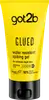
Water, Sorbitol, Pvp, Vinyl Caprolactam/Vp/Dimethylaminoethyl Methacrylate Copolymer, Petrolatum, Vp/Dmapa Acrylates Copolymer, Cetyl Alcohol, Steareth-21, Stearyl Alcohol, Corn Starch Modified, Parfum, Dicetyl Phosphate, Ceteth-10 Phosphate, DMDM Hydantoin, Cera Alba, Hydroxyethylcellulose, Propylene Glycol, Diazolidinyl Urea, Myristyl Alcohol, Arachidyl Alcohol, Benzalkonium Chloride, Polyaminopropyl Biguanide, Iodopropynyl Butylcarbamate
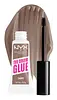
Water
Skin ConditioningSteareth-21
CleansingVp/Va Copolymer
Glycerin
Humectant
Vp/Dmapa Acrylates Copolymer
PPG-26-Buteth-26
Skin ConditioningPEG-40 Hydrogenated Castor Oil
Emulsifying
Propylene Glycol
Humectant
Decylene Glycol
Skin ConditioningEthylhexylglycerin
Skin ConditioningTocopherol
Antioxidant





Phenoxyethanol
Preservative
Benzalkonium Chloride
Antimicrobial
CI 77491
Cosmetic ColorantCI 77499
Cosmetic ColorantCI 77891
Cosmetic Colorant
Reviews
Ingredients Explained
These ingredients are found in both products.
Ingredients higher up in an ingredient list are typically present in a larger amount.
Benzalkonium Chloride (aka BAC) is a preservative that has been around since the 1930's. It is also a surfactant that gives it mild cleansing and antistatic properties.
BAC works because it carries a positive electrical charge that attract the negative charge of microbe cells (like a magnet). Once BAC sticks to a microbe, it breaks the microbe cell's outer wall and scrambles its proteins to kill it.
The maximum usage percentage for this ingredient is 0.1% in both the EU and Chinese cosmetic regulations.
The CIR Expert Panel has concluded it to be a safe antimicrobial agent in concentrations up to 0.1% and it is permitted up to 3% in rinse off hair products.
BAC can be irritating at higher concentrations but a true allergy to it is pretty rare. Be sure to patch test if you have a damaged skin barrier or just sensitive skin.
Because it's a cation, it is incompatible with anionic surfactants like SLS (they neutralize each other).
Learn more about Benzalkonium ChloridePropylene Glycol is a synthetic, colorless, odorless liquid that has been a staple in cosmetics for decades. It is a skin conditioning agent, humectant, and solvent.
As a humectant, it draw water to the skin to reduce flaking and restore suppleness. It's also a solvent that helps dissolve other actives and keeps formulas stable across temperature changes.
The CIR Expert Panel has confirmed this ingredient to be nontoxic and clinical studies show no sensitization at cosmetic use concentrations.
True allergic reactions are quite rare: a 15-year retrospective study of 6,751 patients found only 0.31% had a positive reaction (and less than half were considered clinically relevant).
It seemed that when sensitization does occur, it's most commonly linked to topical medication (like corticosteroids) and not cosmetics. Allergic contact dermatitis also appears largely limited to individuals with underlying skin conditions.
Overall, propylene glycol is a well-studied ingredient that most people can tolerate without issue.
Learn more about Propylene GlycolSteareth-21 is a nonionic emulsifier made by reacting stearyl alcohol with 21 units of ethylene oxide. It is mainly a cleansing agent and emulsifier.
The "21" in the name just tells you it has a longer water-loving chain. This makes it more gentle and less likely to irritate skin compared to lower-numbered steareths.
You'll most likely see it paired with steareth-2 because the two work together to create stable formulations.
1,4-dioxane is often brought up as a concern but this is usually removed through purification.
Learn more about Steareth-21We don't have a description for Vp/Dmapa Acrylates Copolymer yet.
Water. It's the most common cosmetic ingredient of all. You'll usually see it at the top of ingredient lists, meaning that it makes up the largest part of the product.
So why is it so popular? Water most often acts as a solvent - this means that it helps dissolve other ingredients into the formulation.
You'll also recognize water as that liquid we all need to stay alive. If you see this, drink a glass of water. Remember to stay hydrated!
Learn more about Water

