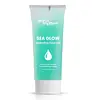
This barrier-repair moisturizer is formulated around Aloe Barbadensis Extract and Xylitol to strengthen the skin barrier and hydrate skin.
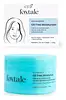
This oil-control moisturizer is formulated around Niacinamide to balance excess oil.

What's inside
What's inside
 Key Ingredients
No key ingredients
Benefits
Concerns
Ingredients Side-by-side
Water
Skin ConditioningAloe Barbadensis Extract
Skin Conditioning


Xylitol
Humectant
Glucose
Humectant
Anhydroxylitol
Humectant
Phoenix Dactylifera Seed Extract
MoisturisingOpuntia Ficus-Indica Extract
Skin Conditioning
Betaine
Humectant
Propanediol
Solvent
Sodium Carbomer
Emulsion StabilisingSaccharide Isomerate
Humectant
Sodium Benzoate
Masking
Citric Acid
Buffering


Menthol
Masking



Polysorbate 80
Emulsifying
DMDM Hydantoin
Preservative
Methylchloroisothiazolinone
Preservative
Methylisothiazolinone
Preservative
CI 42090
Cosmetic ColorantWater, Aloe Barbadensis Extract, Xylitol, Glucose, Anhydroxylitol, Phoenix Dactylifera Seed Extract, Opuntia Ficus-Indica Extract, Betaine, Propanediol, Sodium Carbomer, Saccharide Isomerate, Sodium Benzoate, Citric Acid, Menthol, Polysorbate 80, DMDM Hydantoin, Methylchloroisothiazolinone, Methylisothiazolinone, CI 42090
Water
Skin ConditioningPropylene Glycol
Humectant
Glycerin
Humectant
Niacinamide
Smoothing






Betaine
Humectant
PEG-12 Dimethicone
Skin Conditioning
Phenoxyethanol
Preservative
Ethylhexylglycerin
Skin ConditioningOctenidine Hcl
AntimicrobialAcrylates/C10-30 Alkyl Acrylate Crosspolymer
Emulsion StabilisingSodium Hyaluronate
Humectant
Chondrus Crispus Extract
Skin Conditioning
Citric Acid
Buffering
Hydrogenated Starch Hydrolysate
HumectantAphanizomenon Flos-Aquae Extract
HumectantSodium Benzoate
Masking
Aminomethyl Propanol
BufferingDisodium EDTA
ChelatingParfum
Masking

CI 42090
Cosmetic ColorantWater, Propylene Glycol, Glycerin, Niacinamide, Betaine, PEG-12 Dimethicone, Phenoxyethanol, Ethylhexylglycerin, Octenidine Hcl, Acrylates/C10-30 Alkyl Acrylate Crosspolymer, Sodium Hyaluronate, Chondrus Crispus Extract, Citric Acid, Hydrogenated Starch Hydrolysate, Aphanizomenon Flos-Aquae Extract, Sodium Benzoate, Aminomethyl Propanol, Disodium EDTA, Parfum, CI 42090
Ingredients Explained
These ingredients are found in both products.
Ingredients higher up in an ingredient list are typically present in a larger amount.
Betaine is a humectant. Like hyaluronic acid, it helps attract and retain moisture in the skin. It’s known for being gentle and for helping the skin maintain balanced hydration.
Betaine is mainly used to improve hydration and support calmer skin. It helps skin cells regulate water balance because it functions as an osmolyte.
Some studies suggest betaine may support making skin tone more even.
Fun fact: Betaine naturally exists in the skin and the body. In cosmetic products, it can be either plant-derived (most commonly from sugar beets) or synthetically produced for consistency and stability.
Betaine is also known as trimethylglycine.
Learn more about BetaineCi 42090 is a synthetic dye created from petroleum. It is used to give a bright blue color to cosmetics, medicine, and food.
Citric Acid is an alpha hydroxy acid (AHA) naturally found in citrus fruits like oranges, lemons, and limes.
Like other AHAs, citric acid can exfoliate skin by breaking down the bonds that hold dead skin cells together. This helps reveal smoother and brighter skin underneath.
However, this exfoliating effect only happens at high concentrations (20%) which can be hard to find in cosmetic products.
Due to this, citric acid is usually included in small amounts as a pH adjuster. This helps keep products slightly more acidic and compatible with skin's natural pH.
In skincare formulas, citric acid can:
While it can provide some skin benefits, research shows lactic acid and glycolic acid are generally more effective and less irritating exfoliants.
Most citric acid used in skincare today is made by fermenting sugars (usually from molasses). This synthetic version is identical to the natural citrus form but easier to stabilize and use in formulations.
Rosacea skin has a lower threshold for acids generally, with 62.5% of rosacea subjects in one study reacting to lactic acid in a sting test. This is why we mark citric acid as a potential rosacea trigger.
However, this ingredient shows up as a pH adjuster or chelator at roughly 0.1-1% in many products. These low levels are unlikely to be an issue for rosacea skin and becomes a potential trigger at exfoliating concentrations (20%). Because everybody's skin is unique, we recommend a patch test if you are unsure.
Learn more about Citric AcidSodium Benzoate is a preservative. It's used in both cosmetic and food products to inhibit the growth of mold and bacteria. It is typically produced synthetically.
Both the US FDA and EU Health Committee have approved the use of sodium benzoate. In the US, levels of 0.1% (of the total product) are allowed.
Sodium benzoate works as a preservative by inhibiting the growth of bacteria inside of cells. It prevents the cell from fermenting a type of sugar using an enzyme called phosphofructokinase.
It is the salt of benzoic acid. Foods containing sodium benzoate include soda, salad dressings, condiments, fruit juices, wines, and snack foods.
Studies for using ascorbic acid and sodium benzoate in cosmetics are lacking, especially in skincare routines with multiple steps.
We always recommend speaking with a professional, such as a dermatologist, if you have any concerns.
Learn more about Sodium BenzoateWater. It's the most common cosmetic ingredient of all. You'll usually see it at the top of ingredient lists, meaning that it makes up the largest part of the product.
So why is it so popular? Water most often acts as a solvent - this means that it helps dissolve other ingredients into the formulation.
You'll also recognize water as that liquid we all need to stay alive. If you see this, drink a glass of water. Remember to stay hydrated!
Learn more about Water

