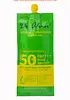
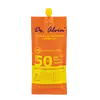
Dr. Alvin Vitamin C Sunscreen Cream-Gel SPF 50+ Versus Dr. Alvin Whitening Sunscreen Cream-Gel SPF 50+ PA++++
This sunscreen offers SPF 50 protection.
This hybrid sunscreen covers the full UV range and blocks ~98% of UVB at SPF 50.

What's inside
What's inside
 Key Ingredients
Benefits
Concerns
No concerns
Ingredients Side-by-side

Water
Skin ConditioningNiacinamide
Smoothing











Ethylhexyl Methoxycinnamate
UV Absorber


Cyclopentasiloxane
Emollient
Sodium Acrylates Copolymer
Methylene Bis-Benzotriazolyl Tetramethylbutylphenol
UV Filter
Phenoxyethanol
Preservative
Diethylamino Hydroxybenzoyl Hexyl Benzoate
UV Filter
Butyloctyl Salicylate
Skin Conditioning
Titanium Dioxide
Cosmetic Colorant
Butyl Methoxydibenzoylmethane
UV Absorber
Benzophenone-3
UV Absorber
Butylene Glycol
Humectant
Dimethicone/Vinyl Dimethicone Crosspolymer
Skin Conditioning
Decyl Glucoside
Cleansing
Ethylhexylglycerin
Skin ConditioningAloe Barbadensis Leaf Extract
Emollient
Parfum
Masking


Phospholipids
Skin Conditioning
Bis-PEG-4 Dimethicone
Emollient
PEG-9 Laurate
Emulsifying
Propylene Glycol
Humectant
Xanthan Gum
EmulsifyingLecithin
Emollient
Water, Niacinamide, Ethylhexyl Methoxycinnamate, Cyclopentasiloxane, Sodium Acrylates Copolymer, Methylene Bis-Benzotriazolyl Tetramethylbutylphenol, Phenoxyethanol, Diethylamino Hydroxybenzoyl Hexyl Benzoate, Butyloctyl Salicylate, Titanium Dioxide, Butyl Methoxydibenzoylmethane, Benzophenone-3, Butylene Glycol, Dimethicone/Vinyl Dimethicone Crosspolymer, Decyl Glucoside, Ethylhexylglycerin, Aloe Barbadensis Leaf Extract, Parfum, Phospholipids, Bis-PEG-4 Dimethicone, PEG-9 Laurate, Propylene Glycol, Xanthan Gum, Lecithin
Alternatives
Ingredients Explained
These ingredients are found in both products.
Ingredients higher up in an ingredient list are typically present in a larger amount.
Aloe Barbadensis Leaf Extract is a botanical extract pulled from the leaves of aloe vera and one of the most studied plant ingredients in cosmetics.
The inner leaf gel it comes from is mostly water (~99-99.5%) and the remaining fraction is made up of pretty good stuff: polysaccharides, vitamins, phenolics, and enzymes.
Its headline job is hydration.
The star polysaccharide in aloe, acemannan, is a humectant that retains moisture and helps reduce trans-epidermal water loss.
Aloe also has real soothing credentials; it contains anti-inflammatory compounds like bradykinase and C-glucosyl chromone that help calm irritation and redness.
On the repair side, lab work shows that acemannan wakes up your skin's repair cells (fibroblasts), prompting them to multiply and speed up healing.
There's some human data for cosmetic benefit too: a cream containing 10% Aloe Barbadensis leaf extract improved skin hydration and elasticity in a real-use study.
Safety-wise, this ingredient is well-regarded with just one rare downside; there have been some case reports of acute eczema, contact urticaria, and dermatitis in people who applied aloe-derived ingredients topically. Those with a known aloe or Liliaceae sensitivity should patch test.
Typical use levels range widely, from under 1% up to 90%+ depending on the format and the effect you are after.
Learn more about Aloe Barbadensis Leaf ExtractNiacinamide is a multitasking form of vitamin B3 that strengthens the skin barrier, reduces pores and dark spots, regulates oil, and improves signs of aging.
And the best part? It's gentle and well-tolerated by most skin types, including sensitive and reactive skin.
You might have heard of "niacin flush", or the reddening of skin that causes itchiness. Niacinamide has not been found to cause this.
In very rare cases, some individuals may not be able to tolerate niacinamide at all or experience an allergic reaction to it.
If you are experiencing flaking, irritation, and dryness with this ingredient, be sure to double check all your products as this ingredient can be found in all categories of skincare.
When incorporating niacinamide into your routine, look out for concentration amounts. Typically, 5% niacinamide provides benefits such as fading dark spots. However, if you have sensitive skin, it is better to begin with a smaller concentration.
When you apply niacinamide to your skin, your body converts it into nicotinamide adenine dinucleotide (NAD). NAD is an essential coenzyme that is already found in your cells as "fuel" and powers countless biological processes.
In your skin, NAD helps repair cell damage, produce new healthy cells, support collagen production, strengthen the skin barrier, and fight environmental stressors (like UV and pollution).
Our natural NAD levels start to decline with age, leading to slower skin repair, visible aging, and a weaker skin barrier. By providing your skin niacinamide, you're recharging your skin's NAD levels. This leads to stronger, healthier, and younger looking skin.
Another name for vitamin B3 is nicotinamide. This vitamin is water-soluble and our bodies don't store it. We obtain Vitamin B3 from either food or skincare. Meat, fish, wheat, yeast, and leafy greens contain vitamin B3.
The type of niacinamide used in skincare is synthetically created.
Learn more about Niacinamide

