
What's inside
What's inside
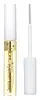 Key Ingredients
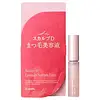
No key ingredients
Benefits
Ingredients Side-by-side
Water
Skin ConditioningButylene Glycol
Humectant

Aloe Barbadensis Leaf Juice
Skin Conditioning

Phenoxyethanol
Preservative
Carbomer
Emulsion StabilisingAminomethyl Propanol
BufferingPlacental Protein
HumectantXanthan Gum
EmulsifyingAllantoin
Skin Conditioning
Swertia Japonica Extract
Skin ConditioningSalix Alba Bark Extract
Astringent

Symphytum Officinale Leaf Extract
Skin ConditioningNasturtium Officinale Flower/Leaf Extract
AntiseborrhoeicOlea Europaea Leaf Extract
Perfuming
Panax Ginseng Root Extract
Emollient
Water, Butylene Glycol, Aloe Barbadensis Leaf Juice, Phenoxyethanol, Carbomer, Aminomethyl Propanol, Placental Protein, Xanthan Gum, Allantoin, Swertia Japonica Extract, Salix Alba Bark Extract, Symphytum Officinale Leaf Extract, Nasturtium Officinale Flower/Leaf Extract, Olea Europaea Leaf Extract, Panax Ginseng Root Extract
Water
Skin ConditioningButylene Glycol
Humectant
Pentylene Glycol
Skin Conditioning
Polyacrylate Crosspolymer-6
Emulsion StabilisingGlycerin
Humectant
Biotinoyl Tripeptide-1

Acetyl Decapeptide-3
Skin Conditioning
Octapeptide-2
Skin Conditioning
Oligopeptide-20
Skin Conditioning
Oligopeptide-41
Skin Conditioning
Pyrrolidinyl Diaminopyrimidine Oxide
Panthenol
Skin Conditioning
Panax Ginseng Root Extract
Emollient
Lonicera Caprifolium Flower Extract
Perfuming
Hydrolyzed Keratin
Humectant
Hydrolyzed Collagen
Emollient
Sodium Lauroyl Glutamate
SurfactantCystine
MaskingGlutamic Acid
Humectant
Dipotassium Glycyrrhizate
Humectant
Platinum
Antimicrobial
Polyimide-1
Sodium Bicarbonate
Abrasive
Silver Oxide
AntimicrobialCalcium Sodium Borosilicate
Phenoxyethanol
Preservative
Water, Butylene Glycol, Pentylene Glycol, Polyacrylate Crosspolymer-6, Glycerin, Biotinoyl Tripeptide-1, Acetyl Decapeptide-3, Octapeptide-2, Oligopeptide-20, Oligopeptide-41, Pyrrolidinyl Diaminopyrimidine Oxide, Panthenol, Panax Ginseng Root Extract, Lonicera Caprifolium Flower Extract, Hydrolyzed Keratin, Hydrolyzed Collagen, Sodium Lauroyl Glutamate, Cystine, Glutamic Acid, Dipotassium Glycyrrhizate, Platinum, Polyimide-1, Sodium Bicarbonate, Silver Oxide, Calcium Sodium Borosilicate, Phenoxyethanol
Reviews
Ingredients Explained
These ingredients are found in both products.
Ingredients higher up in an ingredient list are typically present in a larger amount.
Butylene Glycol (or BG) is used within cosmetic products for a few different reasons:
Overall, Butylene Glycol is a safe and well-rounded ingredient that works well with other ingredients.
Though this ingredient works well with most skin types, some people with sensitive skin may experience a reaction such as allergic rashes, closed comedones, or itchiness.
Learn more about Butylene GlycolGinseng root is a well-loved ingredient in Asian skincare for good reason. It hydrates the skin, soothes irritation, and helps even out skin tone.
In traditional East Asian medicine, ginseng has been used for centuries both as food and as a healing remedy, and modern research continues to confirm its skin benefits.
One of the standout features of ginseng is its ability to improve blood circulation and oxygen delivery to the skin, bringing a fresh supply of nutrients to support overall skin health. It also has antioxidant and anti-inflammatory properties. This helps to protect your skin against damage from UV exposure, pollution, and daily stress.
Additionally, studies suggest that ginseng may help reduce hyperpigmentation by inhibiting tyrosinase, the enzyme involved in melanin production.
There are different types of ginseng used in skincare, and while they all share core benefits, their potency can vary.
Most products use fresh or white ginseng because it’s more affordable. However, red ginseng, produced by steaming the root, contains higher levels of ginsenosides, which are compounds with proven anti-aging effects. These ginsenosides help reduce the appearance of wrinkles and improve skin elasticity.
Note: All forms of ginseng are listed simply as “Panax ginseng” in ingredient lists. We recommend reaching out to the brand if you have questions about which type of ginseng is used in their ingredients.
For general antioxidant benefits, any ginseng extract will do, but for wrinkle care or firmer skin, red or fermented ginseng is often more effective.
In short, ginseng is a powerhouse ingredient that supports hydration, radiance, and resilience.
Learn more about Panax Ginseng Root ExtractPhenoxyethanol is one of the most widely used preservatives in skincare (and for good reason!).
It has a large spectrum of antimicrobial activity and especially effective bacteria, yeast, and mold while only having a weak effect on your skin's natural microbiome.
On a cellular level, it disrupts the cell membranes of microbes by poking holes that make the cell leak. This shuts down the chemical reactions the microbe needs to make energy so it can no longer survive.
Another perk of this ingredient is that it stays functional across a wide pH range (3-10).
You'll often see it paired with boosters like Ethylhexylglycerin; one study showed that a 1:9 ratio of Ethylhexylglycerin to Phenoxyethanol damages bacterial membranes as effectively as doubling the Phenoxyethanol concentration on its own.
Typical use concentrations range from 0.3-1% depending on the formula, and this ingredient is capped at 1% int the EU.
Safety-wise, the fear mongering does not hold up to the evidence. The EU's Scientific Committee on Consumer Safety and FDA consider it safe as a preservative at up to 1%, including for children of all ages.
Adverse systemic effects only showed up in animal studies at exposures roughly 200x higher than what people get from cosmetics. And despite its very widespread use, this ingredient is a rare sensitizer and allergic reactions are uncommon.
Learn more about PhenoxyethanolWater. It's the most common cosmetic ingredient of all. You'll usually see it at the top of ingredient lists, meaning that it makes up the largest part of the product.
So why is it so popular? Water most often acts as a solvent - this means that it helps dissolve other ingredients into the formulation.
You'll also recognize water as that liquid we all need to stay alive. If you see this, drink a glass of water. Remember to stay hydrated!
Learn more about Water

