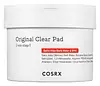
This acne exfoliating pad uses a pre-saturated pad with Salix Alba Bark Water and Betaine Salicylate to clear breakouts and refine the look of pores.
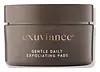
This smoothing exfoliating pad uses a pre-saturated pad with Gluconolactone and Lactobionic Acid to refine skin texture and brighten dull-looking skin.


What's inside
What's inside
 Key Ingredients
Benefits
Concerns
Ingredients Side-by-side



Water
Skin ConditioningButylene Glycol
Humectant

Gluconolactone
Chelating







Polysorbate 80
Emulsifying

Propylene Glycol
Humectant
Lactobionic Acid
Buffering
Tocopheryl Acetate
Antioxidant

Tetrahexyldecyl Ascorbate
Antioxidant

Camellia Sinensis Leaf Extract
Antimicrobial
Chondrus Crispus Extract
Skin Conditioning
Cucumis Sativus Fruit Extract
Emollient
Citrus Grandis Peel Oil
Masking




Citric Acid
Buffering
Arginine
Masking
Polysorbate 20
Emulsifying
Sodium Hydroxide
BufferingCaprylyl Glycol
Emollient
Disodium EDTA
ChelatingChlorphenesin
Antimicrobial
Phenoxyethanol
Preservative
Water, Butylene Glycol, Gluconolactone, Polysorbate 80, Propylene Glycol, Lactobionic Acid, Tocopheryl Acetate, Tetrahexyldecyl Ascorbate, Camellia Sinensis Leaf Extract, Chondrus Crispus Extract, Cucumis Sativus Fruit Extract, Citrus Grandis Peel Oil, Citric Acid, Arginine, Polysorbate 20, Sodium Hydroxide, Caprylyl Glycol, Disodium EDTA, Chlorphenesin, Phenoxyethanol
Reviews
Ingredients Explained
These ingredients are found in both products.
Ingredients higher up in an ingredient list are typically present in a larger amount.
Arginine is a semi-essential amino acid. This just means our bodies can product a bit on its own, but sometimes needs a little boost from food sources.
It is a part of your skin's natural moisturizing factor (NMF), or the water-loving molecules in your outermost layer of skin (stratum corneum) that keeps everything hydrated and happy.
Here's an interesting thing about Arginine: your skin converts it into urea through the Krebs-Henseleit urea cycle. Urea is one of the most effective humectants your skin naturally produces.
A clinical study showed applying 2.5% arginine hydrochloride to atopic dermatitis skin showed significant urea levels in the stratum corneum and improved moisture in just four weeks.
Arginine is also a precursor to nitric oxide; nitric oxide improves microcirculation and supports wound healing and collagen synthesis.
One study found that an amino acid complex containing Arginine reduced skin irritation, improved hydration, and accelerated skin repair in clinical / in-vivo studies.
Arginine itself is an amino acid and not a fatty acid, oil, or ester. On its own, it's not a direct food source for Malassezia, or the yeast that causes fungal acne.
Learn more about ArginineButylene Glycol (or BG) is used within cosmetic products for a few different reasons:
Overall, Butylene Glycol is a safe and well-rounded ingredient that works well with other ingredients.
Though this ingredient works well with most skin types, some people with sensitive skin may experience a reaction such as allergic rashes, closed comedones, or itchiness.
Learn more about Butylene GlycolSodium Hydroxide is also known as lye or caustic soda. It is used to adjust the pH of products; many ingredients require a specific pH to be effective.
In small amounts, sodium hydroxide is considered safe to use. However, large amounts may cause chemical burns due to its high alkaline.
Your skin has a natural pH and acid mantle. This acid mantle helps prevent harmful bacteria from breaking through. The acid mantle also helps keep your skin hydrated.
"Alkaline" refers to a high pH level. A low pH level would be considered acidic.
Learn more about Sodium Hydroxide

