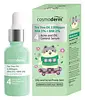
This oil-control serum is formulated around Lactic Acid and Salicylic Acid to balance excess oil and clear breakouts.
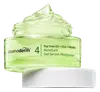
This acne moisturizer is formulated around Niacinamide and Centella Asiatica Extract to clear breakouts and balance excess oil.

What's inside
What's inside
 Key Ingredients
Benefits
Concerns
Ingredients Side-by-side



Water
Skin ConditioningNiacinamide
Smoothing











Betaine
Humectant
Dipropylene Glycol
HumectantAllantoin
Skin Conditioning
Cyclodextrin
AbsorbentCentella Asiatica Extract
Cleansing
Palmitoyl Pentapeptide-4
Skin Conditioning
Sodium Hyaluronate
Humectant
Mentha Piperita Oil
Masking







Melaleuca Alternifolia Leaf Oil
Antioxidant
Biosaccharide Gum-1
Humectant
Carbomer
Emulsion StabilisingPEG-40 Hydrogenated Castor Oil
Emulsifying
Polysorbate 20
Emulsifying
Aminomethyl Propanol
BufferingTetrasodium EDTA
ChelatingGlycerin
Humectant
Phenoxyethanol
Preservative
Chlorphenesin
Antimicrobial
Water, Niacinamide, Betaine, Dipropylene Glycol, Allantoin, Cyclodextrin, Centella Asiatica Extract, Palmitoyl Pentapeptide-4, Sodium Hyaluronate, Mentha Piperita Oil, Melaleuca Alternifolia Leaf Oil, Biosaccharide Gum-1, Carbomer, PEG-40 Hydrogenated Castor Oil, Polysorbate 20, Aminomethyl Propanol, Tetrasodium EDTA, Glycerin, Phenoxyethanol, Chlorphenesin
Ingredients Explained
These ingredients are found in both products.
Ingredients higher up in an ingredient list are typically present in a larger amount.
Biosaccharide Gum-1 is a sugar created by fermenting sorbitol (which usually comes from potato starch!). It is known for its soothing and moisturizing properties.
Manufacturer tests show this ingredient helped reduce irritation from lactic acid by almost half and kept skin hydrated long-term as a humectant
Beyond hydration, Biosaccharide Gum-1 gives formulas a silky, non-sticky feel.
This ingredient is gentle, versatile, and suitable for all skin types.
Fun fact: Similar sugars can be found naturally in fruits like apples and pears.
Learn more about Biosaccharide Gum-1This ingredient is also known as tea tree oil. It has antioxidant, anti-inflammatory, and antimicrobial properties.
Tea tree oil is a complex lipophilic (fat-loving) oil that contains around 100 compounds with terpinen-4-ol being the most abundant (~40%).
Terpinen-4-ol is responsible for tea tree oil's broad-spectrum antimicrobial activity and makes it a well-researched option for acne.
Clinical studies support 5% tea tree oil as an effective topical treatment for mild to moderate acne. A study with 124 patients compared 5% tea tree oil gel to 5% benzoyl peroxide and both reduced acne (though tea tree oil worked more slowly).
Besides acne, it is also seen in anti-dandruff shampoos and scalp treatments for it's antimicrobial and anti-seborrheic properties.
Safety-wise, the allergic potential of low concentrations on healthy skin is considered low. However, oxidized (old or improperly stored) tea tree oil is a stronger sensitizer.
Irritation can also occur if using the undiluted oil on skin; it's best to use this ingredient as part of a carefully crafted cosmetic formula. This is because regulations require tea tree oil in cosmetics to be stabilized to prevent degradation.
This ingredient has been deemed safe up to 2% in shampoo, 1% in cleansers, and 0.1% in face cream by the EU's Scientific Committee on Consumer Safety (SCCS).
There is some lab evidence that tea tree oil is antifungal against Malassezia, but it is a supportive option at best and not a replacement for proven antifungal treatments.
Learn more about Melaleuca Alternifolia Leaf OilPolysorbate 20 is a gentle, water-soluble emulsifier and mild surfactant. It stops oil and water from separating to keep your formulas blended and stable.
It also acts as a mild penetration enhancer by helping active ingredients absorb slightly better.
The common safety discussion around this ingredient involves a manufacturing byproduct called 1,4-dioxane.
Trace amounts can form during production but the EU's Scientific Committee on Consumer Safety has concluded that levels at/below 10 ppm in finished products are safe (commercial products consistently fall within acceptable margins).
True allergic reactions are uncommon and the CIR Expert Panel has confirmed this ingredient to be safe as used in cosmetics.
Because it is derived from lauric acid, it may not be fungal acne safe.
Learn more about Polysorbate 20Water. It's the most common cosmetic ingredient of all. You'll usually see it at the top of ingredient lists, meaning that it makes up the largest part of the product.
So why is it so popular? Water most often acts as a solvent - this means that it helps dissolve other ingredients into the formulation.
You'll also recognize water as that liquid we all need to stay alive. If you see this, drink a glass of water. Remember to stay hydrated!
Learn more about Water

