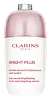
This brightening serum is formulated around Ascorbyl Glucoside to fade the look of dark spots and brighten dull-looking skin.
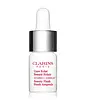
This brightening ampoule is formulated around Ascorbic Acid and Ascorbyl Glucoside to brighten dull-looking skin and fade the look of dark spots.

What's inside
What's inside
 Key Ingredients
Benefits
Concerns
Ingredients Side-by-side
Water
Skin ConditioningGlycerin
Humectant


Ascorbyl Glucoside
Antioxidant



Boron Nitride
Absorbent
Pentylene Glycol
Skin Conditioning
Butylene Glycol
Humectant
Cellulose
Absorbent
Tromethamine
BufferingSodium Polyacrylate
Absorbent
Sodium Citrate
BufferingXanthan Gum
EmulsifyingEthylhexylglycerin
Skin ConditioningBiotin
AntiseborrhoeicParfum
Masking




Sodium Hyaluronate
Humectant

Sambucus Nigra Flower Extract
RefreshingCitric Acid
Buffering
Polianthes Tuberosa Polysaccharide
Skin ConditioningMalpighia Emarginata Fruit Extract
Skin ConditioningXylitol
Humectant
Alchemilla Vulgaris Extract
AstringentMalpighia Emarginata Seed Extract
Skin ConditioningSodium Benzoate
Masking
Pancratium Maritimum Extract
BleachingPotassium Sorbate
Preservative
Rhodomyrtus Tomentosa Fruit Extract
HumectantEngelhardtia Chrysolepis Leaf Extract
Skin ConditioningWater, Glycerin, Ascorbyl Glucoside, Boron Nitride, Pentylene Glycol, Butylene Glycol, Cellulose, Tromethamine, Sodium Polyacrylate, Sodium Citrate, Xanthan Gum, Ethylhexylglycerin, Biotin, Parfum, Sodium Hyaluronate, Sambucus Nigra Flower Extract, Citric Acid, Polianthes Tuberosa Polysaccharide, Malpighia Emarginata Fruit Extract, Xylitol, Alchemilla Vulgaris Extract, Malpighia Emarginata Seed Extract, Sodium Benzoate, Pancratium Maritimum Extract, Potassium Sorbate, Rhodomyrtus Tomentosa Fruit Extract, Engelhardtia Chrysolepis Leaf Extract
Water
Skin ConditioningAscorbic Acid
Antioxidant

Ascorbyl Glucoside
Antioxidant
Propanediol
Solvent
Sodium Hydroxide
BufferingOryza Sativa Hull Powder
Abrasive
1,2-Hexanediol
Skin Conditioning
Pentylene Glycol
Skin Conditioning
Butylene Glycol
Humectant
Ammonium Acryloyldimethyltaurate/Vp Copolymer
Xanthan Gum
EmulsifyingChlorphenesin
Antimicrobial
Chondrus Crispus Powder
Abrasive
Malpighia Emarginata Seed Extract
Skin ConditioningRhodomyrtus Tomentosa Fruit Extract
HumectantWater, Ascorbic Acid, Ascorbyl Glucoside, Propanediol, Sodium Hydroxide, Oryza Sativa Hull Powder, 1,2-Hexanediol, Pentylene Glycol, Butylene Glycol, Ammonium Acryloyldimethyltaurate/Vp Copolymer, Xanthan Gum, Chlorphenesin, Chondrus Crispus Powder, Malpighia Emarginata Seed Extract, Rhodomyrtus Tomentosa Fruit Extract
Ingredients Explained
These ingredients are found in both products.
Ingredients higher up in an ingredient list are typically present in a larger amount.
Ascorbyl Glucoside (AA-2G) is one of the most stable vitamin C derivatives out there.
It's made by attaching a glucose molecule to ascorbic acid; this glucose "cap" shields the vitamin C from air, light, heat, and metal ions that normally cause pure ascorbic acid to oxidize.
Once on your skin, the enzyme alpha-glucosidase snips off the glucose and gradually releases active ascorbic acid right where it's needed. Basically, it behaves like a slow-release pro-vitamin C with less of a stinging that high-strength ascorbic acid can cause.
The research supports the classic vitamin C benefits as well. In lab and human studies, AA-2G slowed down the skin's production of melanin (the pigment behind dark spots) and helped shield skin cells against sun damage better than ascorbyl phosphate.
These studies also showed AA-2G released vitamin C over a longer period.
A frequently cited manufacturer trial found that a 2% AA-2G face cream significantly improved wrinkle depth and skin roughness after 45 days.
And in 2009, a clinical trial showed it meaningfully lightened dark patches on the gums compared to a placebo.
There's also collagen-synthesis support (since vitamin C is a required cofactor for that) and an antioxidant effect too.
Typical usage is usually between 0.5-5% and most studies/products land around 2%.
AA-2G performs best when formulated at a mildly acidic pH (~5-7) which is much gentler than the pH that pure vitamin C demands (~2.5-3.5).
Just one thing worth knowing: the in-skin conversation rate is only about 55-60% by weight. So a 5% AA-2G product delivers roughly 2.75-3% of actual active vitamin C. On top of that, skin absorption is relatively low because the ingredient is water-soluble.
Learn more about Ascorbyl GlucosideButylene Glycol (or BG) is used within cosmetic products for a few different reasons:
Overall, Butylene Glycol is a safe and well-rounded ingredient that works well with other ingredients.
Though this ingredient works well with most skin types, some people with sensitive skin may experience a reaction such as allergic rashes, closed comedones, or itchiness.
Learn more about Butylene GlycolThe acerola seed is packed with antioxidants such as Vitamin C.
Pentylene Glycol (1,2-pentanediol) is a multitasking little diol with three main roles in a formula:
Research on alkanediols (the family pentylene glycol belongs to) show they work by disrupting microbial cell membranes. This disruption helps the primary preservative system in a product work more effectively at lower doses.
On the safety side, the Cosmetic Ingredient Review Expert Panel has concluded this ingredient to be safe as used in current cosmetic practices + concentrations.
Typical use levels in a formula run about 1-5%.
Learn more about Pentylene GlycolWe don't have a description for Rhodomyrtus Tomentosa Fruit Extract yet.
Water. It's the most common cosmetic ingredient of all. You'll usually see it at the top of ingredient lists, meaning that it makes up the largest part of the product.
So why is it so popular? Water most often acts as a solvent - this means that it helps dissolve other ingredients into the formulation.
You'll also recognize water as that liquid we all need to stay alive. If you see this, drink a glass of water. Remember to stay hydrated!
Learn more about WaterXanthan gum is used as a stabilizer and thickener within cosmetic products. It helps give products a sticky, thick feeling - preventing them from being too runny.
On the technical side of things, xanthan gum is a polysaccharide - a combination consisting of multiple sugar molecules bonded together.
Xanthan gum is a pretty common and great ingredient. It is a natural, non-toxic, non-irritating ingredient that is also commonly used in food products.
Learn more about Xanthan Gum

