

What's inside
What's inside
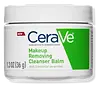 Key Ingredients
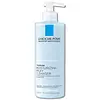
No key ingredients
Benefits
Concerns
Ingredients Side-by-side
Ethylhexyl Palmitate
Emollient


Polyethylene
Abrasive

PEG-20 Glyceryl Triisostearate
Emollient
Water
Skin ConditioningCeramide NP
Skin Conditioning





Ceramide AP
Skin Conditioning
Ceramide EOP
Skin Conditioning
Carbomer
Emulsion StabilisingTriethyl Citrate
Masking
Sodium Lauroyl Lactylate
EmulsifyingCholesterol
Emollient
Simmondsia Chinensis Seed Oil
Emollient

Phenoxyethanol
Preservative
Tocopherol
Antioxidant



Caprylyl Glycol
Emollient
Phytosphingosine
Skin Conditioning
Xanthan Gum
EmulsifyingPolysorbate 20
Emulsifying
Benzoic Acid
Masking
PEG-30 Dipolyhydroxystearate
Emulsifying
PPG-26-Buteth-26
Skin ConditioningPEG-40 Hydrogenated Castor Oil
Emulsifying
Ethylhexyl Palmitate, Polyethylene, PEG-20 Glyceryl Triisostearate, Water, Ceramide NP, Ceramide AP, Ceramide EOP, Carbomer, Triethyl Citrate, Sodium Lauroyl Lactylate, Cholesterol, Simmondsia Chinensis Seed Oil, Phenoxyethanol, Tocopherol, Caprylyl Glycol, Phytosphingosine, Xanthan Gum, Polysorbate 20, Benzoic Acid, PEG-30 Dipolyhydroxystearate, PPG-26-Buteth-26, PEG-40 Hydrogenated Castor Oil
Reviews
Ingredients Explained
These ingredients are found in both products.
Ingredients higher up in an ingredient list are typically present in a larger amount.
Caprylyl Glycol is a humectant, skin conditioner, emollient, and preservative booster derived from either caprylic acid or synthetically created.
Typical use levels vary from 0.3-1% as a preservative booster and go up to 2% to condition skin.
Because it is not a free-fatty acid, this ingredient is fungal acne safe (there's nothing for Malassezia to feed on).
Learn more about Caprylyl GlycolCarbomer is a high-molecular weight polymer of acrylic acid. It is used to form gels and thicken formulas.
Due to its large molecular size, carbomer has minimal skin penetration and is considered an inert ingredient.
A high amount of carbomer can cause pilling or balling up of products. Don't worry, most products contain 1% or less of carbomer.
Learn more about CarbomerEthylhexyl Palmitate, also known as octyl palmitate, is created from 2-ethylhexyl alcohol and palmitic acid.
In cosmetics, it plays many roles:
One thing worth noting: a controlled study found this ingredient applied under occlusion to acne-prone subjects increased microcomedones. Just keep in mind this was under occlusive conditions and don't reflect how most products are used day-to-day.
For most people, this is a well-tolerated and lightweight ingredient.
This ingredient may not be fungal acne safe because it is an ester of palmitic acid, a C16 fatty acid that falls within the C11-24 range that Malassezia can metabolize.
Learn more about Ethylhexyl PalmitateWater. It's the most common cosmetic ingredient of all. You'll usually see it at the top of ingredient lists, meaning that it makes up the largest part of the product.
So why is it so popular? Water most often acts as a solvent - this means that it helps dissolve other ingredients into the formulation.
You'll also recognize water as that liquid we all need to stay alive. If you see this, drink a glass of water. Remember to stay hydrated!
Learn more about Water
