
What's inside
What's inside
 Key Ingredients
Benefits
Concerns
Ingredients Side-by-side
Propylene Glycol
Humectant


Water
Skin ConditioningPropanediol
Solvent
Sodium Stearate
CleansingTapioca Starch
Glycerin
Humectant
Saccharomyces Ferment Filtrate
Humectant

Diatomaceous Earth
Abrasive

Silica
Abrasive
Parfum
Masking


Polyglyceryl-10 Caprylate
EmulsifyingSorbitan Oleate Decylglucoside Crosspolymer
CleansingAloe Barbadensis Leaf Juice
Skin Conditioning
Hydrolyzed Jojoba Esters
Skin Conditioning
Nannochloropsis Oculata Extract
HumectantPanax Ginseng Root Extract
Emollient
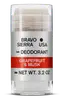
Propylene Glycol, Water, Propanediol, Sodium Stearate, Tapioca Starch, Glycerin, Saccharomyces Ferment Filtrate, Diatomaceous Earth, Silica, Parfum, Polyglyceryl-10 Caprylate, Sorbitan Oleate Decylglucoside Crosspolymer, Aloe Barbadensis Leaf Juice, Hydrolyzed Jojoba Esters, Nannochloropsis Oculata Extract, Panax Ginseng Root Extract
Propylene Glycol
Humectant
Water
Skin ConditioningSodium Stearate
CleansingPropanediol
Solvent
Diatomaceous Earth
Abrasive
Silica
Abrasive
Saccharomyces Ferment Filtrate
Humectant
Aloe Barbadensis Leaf Juice
Skin Conditioning
Opuntia Ficus-Indica Seed Oil
Emollient
Lactobacillus Ferment
Skin Conditioning
Cocos Nucifera Fruit Extract
Emollient

Cereus Grandiflorus Flower Extract
Skin ConditioningKaolin
Abrasive
Tapioca Starch
Glycerin
Humectant
Sorbitan Stearate
Emulsifying
Stearyl Alcohol
Emollient
Ethylhexylglycerin
Skin ConditioningCaprylyl/Capryl Glucoside
CleansingPolyglyceryl-10 Caprylate
EmulsifyingPolyglyceryl-5 Oleate
Emulsifying
Glyceryl Caprylate
EmollientSodium Cocoyl Glutamate
Cleansing
Citric Acid
Buffering

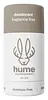
Propylene Glycol, Water, Sodium Stearate, Propanediol, Diatomaceous Earth, Silica, Saccharomyces Ferment Filtrate, Aloe Barbadensis Leaf Juice, Opuntia Ficus-Indica Seed Oil, Lactobacillus Ferment, Cocos Nucifera Fruit Extract, Cereus Grandiflorus Flower Extract, Kaolin, Tapioca Starch, Glycerin, Sorbitan Stearate, Stearyl Alcohol, Ethylhexylglycerin, Caprylyl/Capryl Glucoside, Polyglyceryl-10 Caprylate, Polyglyceryl-5 Oleate, Glyceryl Caprylate, Sodium Cocoyl Glutamate, Citric Acid
Ingredients Explained
These ingredients are found in both products.
Ingredients higher up in an ingredient list are typically present in a larger amount.
Aloe Barbadensis Leaf Juice is the filtered, stabilized liquid pressed from the inner gel of the aloe vera leaf.
In cosmetics, it shows up as either soothing active or a water-replacement base. It is roughly 98-99% water and the last 1-2% is an interesting mix of polysaccharides, amino acids, vitamins, minerals, and enzymes.
The polysaccharides do most of the work: they bind water at the skin surface for a light, non-greasy hydration boost. And one of the polysaccharides, glycomannan, is linked to fibroblast stimulation + collagen synthesis. This is also why aloe has such a long track record in wound and burn healing.
This ingredient is also calming with anti-inflammatory and mild antimicrobial activity, making it a great pick for sensitive, irritated, or post-sun skin.
Realistic expectations matter though; the solid evidence is mostly limited to hydration, soothing, and wound support. Deeper claims about anti-aging or sun protection are not well backed, and science reviews note it does not prevent radiation-induced skin injury.
Because it plays well with almost everything, it's commonly used as a base alongside other actives like niacinamide or vitamin C.
Typical usage concentrations range from 0.5% (where hydration benefits already show up) all the way to 90%+ (where it replaces water as the main base).
The safety for this ingredient is well-establish as well. Overall, this is a great supporting ingredient for those who want a boost in hydration.
Learn more about Aloe Barbadensis Leaf JuiceDiatomaceous Earth is an exfoliant. It can be good for oily skin.
Glycerin (or glycerol) is a compound naturally found in your skin. It's a powerhouse humectant that pulls water into the stratum corneum.
Topically, glycerin does several things at once:
Your skin makes glycerin on its own (mostly from sebaceous oil breakdown) and shuttles it to your outermost layer of skin, or your epidermis, via aquaporin-3.
Aquaporin-3 is a transporter that is essential for normal skin hydration, elasticity, and repair. Interestingly, mice lacking in AQP3 have dry and less elastic skin that can be fully corrected with glycerin.
This ingredient is non-irritating, plays well with almost every ingredient, and works across all skin types. Typical use is anywhere between 3-10% but can go up to 79% in some leave-on products.
Just know very high concentrations (>40%) can feel tacky in low humidity.
Glycerin is the name for this ingredient in American English. British English uses Glycerol/Glycerine.
Learn more about GlycerinWe don't have a description for Polyglyceryl-10 Caprylate yet.
Propanediol is an all-star ingredient. It softens, hydrates, and smooths the skin.
It’s often used to:
Propanediol is not likely to cause sensitivity and considered safe to use. It is derived from corn or petroleum with a clear color and no scent.
Learn more about PropanediolPropylene Glycol is a synthetic, colorless, odorless liquid that has been a staple in cosmetics for decades. It is a skin conditioning agent, humectant, and solvent.
As a humectant, it draw water to the skin to reduce flaking and restore suppleness. It's also a solvent that helps dissolve other actives and keeps formulas stable across temperature changes.
The CIR Expert Panel has confirmed this ingredient to be nontoxic and clinical studies show no sensitization at cosmetic use concentrations.
True allergic reactions are quite rare: a 15-year retrospective study of 6,751 patients found only 0.31% had a positive reaction (and less than half were considered clinically relevant).
It seemed that when sensitization does occur, it's most commonly linked to topical medication (like corticosteroids) and not cosmetics. Allergic contact dermatitis also appears largely limited to individuals with underlying skin conditions.
Overall, propylene glycol is a well-studied ingredient that most people can tolerate without issue.
Learn more about Propylene GlycolSaccharomyces Ferment Filtrate is the watery, nutrient-rich liquid left over after you ferment a yeast (genus Saccharomyces).
The yeast cells themselves are filtered out so you're getting the "broth" of skin-friendly molecules: amino acids, peptides, minerals, vitamins, organic acids, and beta-glucan.
Evidence-wise, its relatives (like Galactomyces) are the ones with the most published lab work. Keratinocyte studies show these ferments can boost barrier-related markers. This ingredient is generally assumed to behave similarly thanks to its overlapping composition.
This ingredient may not be fungal acne safe because its a fermentation filtrate. The exact composition is batch-variable and can include fatty acids and lipids byproducts.
Learn more about Saccharomyces Ferment FiltrateSilica, also known as silicon dioxide, is a naturally occurring mineral. It is used as a fine, spherical, and porous powder in cosmetics.
Though it has exfoliant properties, the function of silica varies depending on the product.
The unique structure of silica enhances the spreadability and adds smoothness, making it a great texture enhancer.
It is also used as an active carrier, emulsifier, and mattifier due to its ability to absorb excess oil.
In some products, tiny microneedles called spicules are made from silica or hydrolyzed sponge. When you rub them in, they lightly polish away dead skin layers and enhance the penetration of active ingredients.
Learn more about SilicaSodium Stearate is soap and usually the main thing holding a bar of soap together. In cosmetics, it does three jobs: it cleanses, thickens, and turns liquids into solid sticks.
Use levels vary hugely by product type; supplier guidance puts the typical range at 0.5-20%, with bar soaps at 5-20%, deodorant sticks at 4-8%, and under 1% when it's acting as a co-emulfisifier. Industry data has reported levels as high as 84% in some leave-on fragrance products.
Safety-wise, it's about as well-established as an ingredient gets. The FDA and European food-safety regulators treat this ingredient as safe in food.
Allergy risk is genuinely low too; stearates aren't on standard patch test series and published sensitization reports are scarce. The more realistic concern is irritation since high-percentage soaps can leave the skin tight and dry.
Learn more about Sodium StearateTapioca starch is a thickening agent and is made from the cassava root, also known as yucca.
According to a manufacturer, it is an excellent talc replacement.
It is gluten-free.
Learn more about Tapioca StarchWater. It's the most common cosmetic ingredient of all. You'll usually see it at the top of ingredient lists, meaning that it makes up the largest part of the product.
So why is it so popular? Water most often acts as a solvent - this means that it helps dissolve other ingredients into the formulation.
You'll also recognize water as that liquid we all need to stay alive. If you see this, drink a glass of water. Remember to stay hydrated!
Learn more about Water

