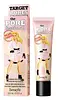
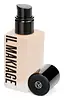
Benefit Cosmetics The POREfessional: Pearl Primer Versus Il Makiage GL Radiant Glow Woke Up Like This Foundation

What's inside
What's inside
 Key Ingredients
Benefits
Concerns
Ingredients Side-by-side
Dimethicone
Emollient

Cyclopentasiloxane
Emollient
Dimethicone/Vinyl Dimethicone Crosspolymer
Skin Conditioning
Isononyl Isononanoate
EmollientDimethicone Crosspolymer
Emulsion Stabilising
Isododecane
EmollientSilica
Abrasive


Polymethyl Methacrylate
Mica
Cosmetic ColorantPhenoxyethanol
Preservative
Tocopheryl Acetate
Antioxidant


Parfum
Masking




Tin Oxide
Abrasive
Limonene
Perfuming
Triethoxycaprylylsilane
BHT
Antioxidant
Tocopherol
Antioxidant




CI 19140
Cosmetic ColorantCI 42090
Cosmetic ColorantCI 77007
Cosmetic ColorantCI 77163
Cosmetic Colorant
CI 77491
Cosmetic ColorantCI 77492
Cosmetic ColorantCI 77499
Cosmetic ColorantCI 77891
Cosmetic ColorantDimethicone, Cyclopentasiloxane, Dimethicone/Vinyl Dimethicone Crosspolymer, Isononyl Isononanoate, Dimethicone Crosspolymer, Isododecane, Silica, Polymethyl Methacrylate, Mica, Phenoxyethanol, Tocopheryl Acetate, Parfum, Tin Oxide, Limonene, Triethoxycaprylylsilane, BHT, Tocopherol, CI 19140, CI 42090, CI 77007, CI 77163, CI 77491, CI 77492, CI 77499, CI 77891
Water
Skin ConditioningCyclopentasiloxane
Emollient
Isododecane
EmollientGlycerin
Humectant
Alcohol
Antimicrobial

Phenyl Trimethicone
Skin Conditioning
Aluminum Starch Octenylsuccinate
Absorbent
Bis-Hydroxyethoxypropyl Dimethicone/Ipdi Copolymer Ethylcarbamate
Cetyl PEG/PPG-10/1 Dimethicone
Emulsifying
Disteardimonium Hectorite
StabilisingSodium Chloride
MaskingPolyglyceryl-4 Isostearate
Emulsifying
Hexyl Laurate
Emollient
Di-C12-13 Alkyl Tartrate
EmollientSodium Dehydroacetate
Preservative
Potassium Sorbate
Preservative
Disodium Stearoyl Glutamate
CleansingDiamond Powder
Abrasive
Caprylic/Capric Triglyceride
Masking
Aluminum Hydroxide
EmollientPentaerythrityl Tetra-Di-T-Butyl Hydroxyhydrocinnamate
Antioxidant
Rubus Idaeus Leaf Cell Culture
Skin ConditioningCI 77891
Cosmetic ColorantCI 77491
Cosmetic ColorantCI 77492
Cosmetic ColorantCI 77499
Cosmetic ColorantWater, Cyclopentasiloxane, Isododecane, Glycerin, Alcohol, Phenyl Trimethicone, Aluminum Starch Octenylsuccinate, Bis-Hydroxyethoxypropyl Dimethicone/Ipdi Copolymer Ethylcarbamate, Cetyl PEG/PPG-10/1 Dimethicone, Disteardimonium Hectorite, Sodium Chloride, Polyglyceryl-4 Isostearate, Hexyl Laurate, Di-C12-13 Alkyl Tartrate, Sodium Dehydroacetate, Potassium Sorbate, Disodium Stearoyl Glutamate, Diamond Powder, Caprylic/Capric Triglyceride, Aluminum Hydroxide, Pentaerythrityl Tetra-Di-T-Butyl Hydroxyhydrocinnamate, Rubus Idaeus Leaf Cell Culture, CI 77891, CI 77491, CI 77492, CI 77499
Reviews
Ingredients Explained
These ingredients are found in both products.
Ingredients higher up in an ingredient list are typically present in a larger amount.
Ci 77491 is also hydrated iron III oxide. It's sole purpose is to give a red/pink hue to products.
Iron III oxides are classified as inorganic chemicals for coloring.
Synthetically created Ci 77491 is considered safer than those naturally found. This is because the synthetically created version may contain less impurities. Iron oxides are generally non-toxic and non-allergenic.
Learn more about CI 77491CI 77492 is also hydrated iron III oxide. It's sole purpose is to give a yellow hue to products.
Iron III oxides are classified as inorganic chemicals for coloring.
Synthetically created CI 77492 is considered safer than those naturally found. This is because the synthetically created version may contain less impurities. Iron oxides are generally non-toxic and non-allergenic.
Learn more about CI 77492Ci 77499 is also hydrated iron III oxide. It is created from mixing red and black iron oxides. This helps give shades of darkness to a product.
Iron III oxides are classified as inorganic chemicals for coloring.
Ci 77891 is a white pigment from Titanium dioxide. It is naturally found in minerals such as rutile and ilmenite.
It's main function is to add a white color to cosmetics. It can also be mixed with other colors to create different shades.
Ci 77891 is commonly found in sunscreens due to its ability to block UV rays.
Learn more about CI 77891Cyclopentasiloxane (D5) is a lightweight silicone that mostly acts as an emollient and solvent in cosmetics. Its the reason your products feel silky, fast-spreading, and non-greasy.
Since D5 is volatile, it does its thing and then evaporates off the skin quickly.
The safety profile of this ingredient is reassuring; the US CIR Expert Panel concluded D5 is safe as used in cosmetics and Health Canada concluded that D5 is not harmful to human health or the environment as currently used in cosmetics
There's a study that people mention about D5 in a rat study showing tumors. This study is related to long-term inhalation of high D5 levels.
Regulatory bodies have judged this study to be not applicable in topical skincare since skin absorption of D5 is very low and we're not really inhaling huge amounts of D5.
The only restriction for this ingredient is environmental. The European Chemicals Agency (ECHA) restricted D5 in wash-off cosmetics at or above 0.1% due to their persistence in water.
Learn more about CyclopentasiloxaneIsododecane is a fragrance, emollient, and solvent.
As an emollient, it helps your skin stay soft and hydrated. Emollients help trap moisture into your skin.
Isododecane's role as a solvent makes it a great texture enhancer. It spreads smoothly on skin and does not leave a sticky feeling behind. Isododecane also helps prevent color transfer in makeup products.
Isododecane is not absorbed into skin.
The chemical name for this ingredient is 2,2,4,6,6-PENTAMETHYLHEPTANE.
Learn more about Isododecane

