This hybrid sunscreen covers the full UV range and blocks ~97% of UVB at SPF 30.
This mineral sunscreen covers the full UV range and blocks ~97% of UVB at SPF 30.


What's inside
What's inside
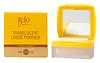 Key Ingredients
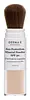
Benefits
Concerns
Ingredients Side-by-side
Zea Mays Starch
Absorbent
Oryza Sativa Starch
AbsorbentTitanium Dioxide
Cosmetic Colorant

Aluminum Hydroxide
EmollientLauroyl Lysine
Skin Conditioning
Alumina
Abrasive
Simethicone
Emollient
Tricalcium Phosphate
Abrasive
Ethylhexyl Triazone
UV Absorber
Polymethylsilsesquioxane
Gluconolactone
Chelating






Sodium Benzoate
Masking
Iron Oxides
CI 77492
Cosmetic ColorantEthylhexylglycerin
Skin ConditioningParfum
Masking




CI 77491
Cosmetic ColorantCI 77499
Cosmetic Colorant










Alternatives
Ingredients Explained
These ingredients are found in both products.
Ingredients higher up in an ingredient list are typically present in a larger amount.
Ci 77491 is also hydrated iron III oxide. It's sole purpose is to give a red/pink hue to products.
Iron III oxides are classified as inorganic chemicals for coloring.
Synthetically created Ci 77491 is considered safer than those naturally found. This is because the synthetically created version may contain less impurities. Iron oxides are generally non-toxic and non-allergenic.
Learn more about CI 77491CI 77492 is also hydrated iron III oxide. It's sole purpose is to give a yellow hue to products.
Iron III oxides are classified as inorganic chemicals for coloring.
Synthetically created CI 77492 is considered safer than those naturally found. This is because the synthetically created version may contain less impurities. Iron oxides are generally non-toxic and non-allergenic.
Learn more about CI 77492Ethylhexylglycerin is created from glycerin. It is a multitasker ingredient that:
The CIR Expert Panel found minimal skin absorption or sensitization of any kind in a safety assessment. Though this ingredient is considered well-tolerated, a small number of cases of allergic dermatitis have been published since 2002. Just be sure to patch test if you are unsure.
Industry-reported use ranges from 8% in rinse-off products and 2% in leave-on formulations.
Learn more about Ethylhexylglycerin

