Aveeno 1% Hydrocortisone Anti-Itch Cream Versus Cortizone-10 Maximum Strength 1% Hydrocortisone Anti-Itch Creme with Aloe
This calming treatment is formulated around Avena Sativa Kernel Flour and Avena Sativa Kernel Oil to calm redness and strengthen the skin barrier.

What's inside
What's inside
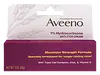 Key Ingredients
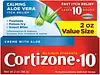
No key ingredients
Benefits
Concerns
Ingredients Side-by-side
Water
Skin ConditioningCetearyl Alcohol
Emollient






Glycerin
Humectant


Ceteareth-20
Cleansing
Isopropyl Myristate
Emollient
Cyclopentasiloxane
Emollient
Avena Sativa Kernel Flour
Abrasive

Benzyl Alcohol
Perfuming




Cetyl Palmitate
Emollient
Isostearyl Neopentanoate
Emollient
Citric Acid
Buffering

Dimethicone/Vinyltrimethylsiloxysilicate Crosspolymer
Potassium Lactate
BufferingDimethyl Mea
BufferingPEG-40 Stearate
Emulsifying
Methylparaben
Preservative

Avena Sativa Kernel Oil
Skin Conditioning


Tocopheryl Acetate
Antioxidant

Aloe Barbadensis Leaf Juice
Skin Conditioning
Chrysanthemum Parthenium Flower Extract
Skin ConditioningAvena Sativa Kernel Extract
Abrasive
Sodium Hydroxide
BufferingWater, Cetearyl Alcohol, Glycerin, Ceteareth-20, Isopropyl Myristate, Cyclopentasiloxane, Avena Sativa Kernel Flour, Benzyl Alcohol, Cetyl Palmitate, Isostearyl Neopentanoate, Citric Acid, Dimethicone/Vinyltrimethylsiloxysilicate Crosspolymer, Potassium Lactate, Dimethyl Mea, PEG-40 Stearate, Methylparaben, Avena Sativa Kernel Oil, Tocopheryl Acetate, Aloe Barbadensis Leaf Juice, Chrysanthemum Parthenium Flower Extract, Avena Sativa Kernel Extract, Sodium Hydroxide
Hydrocortisone 1%
Aloe Barbadensis Leaf Juice
Skin Conditioning
Aluminum Sulfate
AstringentBeeswax
Emulsion Stabilising
Calcium Acetate
MaskingCetearyl Alcohol
Emollient
Dextrin
AbsorbentGlycerin
Humectant
Maltodextrin
Absorbent
Methylparaben
Preservative
Paraffinum Liquidum
Emollient
Petrolatum
Emollient
Propylparaben
Preservative
Sodium Cetearyl Sulfate
Cleansing
Sodium Lauryl Sulfate
Cleansing
Water
Skin ConditioningIngredients Explained
These ingredients are found in both products.
Ingredients higher up in an ingredient list are typically present in a larger amount.
Aloe Barbadensis Leaf Juice is the filtered, stabilized liquid pressed from the inner gel of the aloe vera leaf.
In cosmetics, it shows up as either soothing active or a water-replacement base. It is roughly 98-99% water and the last 1-2% is an interesting mix of polysaccharides, amino acids, vitamins, minerals, and enzymes.
The polysaccharides do most of the work: they bind water at the skin surface for a light, non-greasy hydration boost. And one of the polysaccharides, glycomannan, is linked to fibroblast stimulation + collagen synthesis. This is also why aloe has such a long track record in wound and burn healing.
This ingredient is also calming with anti-inflammatory and mild antimicrobial activity, making it a great pick for sensitive, irritated, or post-sun skin.
Realistic expectations matter though; the solid evidence is mostly limited to hydration, soothing, and wound support. Deeper claims about anti-aging or sun protection are not well backed, and science reviews note it does not prevent radiation-induced skin injury.
Because it plays well with almost everything, it's commonly used as a base alongside other actives like niacinamide or vitamin C.
Typical usage concentrations range from 0.5% (where hydration benefits already show up) all the way to 90%+ (where it replaces water as the main base).
The safety for this ingredient is well-establish as well. Overall, this is a great supporting ingredient for those who want a boost in hydration.
Learn more about Aloe Barbadensis Leaf JuiceCetearyl alcohol is a waxy mixture of two fatty alcohols: cetyl alcohol and stearyl alcohol. It is an emollient and emulsifier.
Despite having "alcohol" in its name, it has nothing to do with drying solvent alcohols; the FDA also allows "alcohol-free" products to contain fatty alcohols like this ingredient.
It plays several roles in a formula:
Typical use levels for this ingredient sit around 1-10% and the Cosmetic Ingredient Review Expert Panel has affirmed safety at concentrations up to 25% in leave-on products.
Multiple assessments have found it to be non-irritating and non-sensitizing to most people.
However, there have been some cases of allergic contact dermatitis in patients with chronically compromised skin barriers.
Cetearyl alcohol has a comedogenic rating of 2 and irritancy rating of 1. Both of these numbers come from the 1989 study that used rabbit ears; a "2" means mildly comedogenic and a "1" means low irritancy.
Here's the catch: rabbit skin is more sensitive than human skin and throws a lot of false positives. A 1996 reappraisal found that ingredients rated 1-2 in the rabbit ear tests are generally safe for humans.
Remember comedogenic ratings are unable to assess the entire formula of a product or how it will react on your skin. Just be sure to patch test if you are unsure about certain ingredients.
This ingredient is not fungal acne safe. Cetearyl alcohol is a fatty alcohol with chain lengths that fall within the range that Malassezia can metabolize.
A 2019 study has also observed Malassezia growth in the presence of this ingredient, confirming it to be not-fungal acne safe.
Learn more about Cetearyl AlcoholGlycerin (or glycerol) is a compound naturally found in your skin. It's a powerhouse humectant that pulls water into the stratum corneum.
Topically, glycerin does several things at once:
Your skin makes glycerin on its own (mostly from sebaceous oil breakdown) and shuttles it to your outermost layer of skin, or your epidermis, via aquaporin-3.
Aquaporin-3 is a transporter that is essential for normal skin hydration, elasticity, and repair. Interestingly, mice lacking in AQP3 have dry and less elastic skin that can be fully corrected with glycerin.
This ingredient is non-irritating, plays well with almost every ingredient, and works across all skin types. Typical use is anywhere between 3-10% but can go up to 79% in some leave-on products.
Just know very high concentrations (>40%) can feel tacky in low humidity.
Glycerin is the name for this ingredient in American English. British English uses Glycerol/Glycerine.
Learn more about GlycerinMethylparaben is a synthetic preservative and one of the most widely used in the world. It has a simple, but important job: prevent your products from going bad by stopping bacteria, yeast, and mold from growing.
Typical use levels are low, often 0.1-0.3%.
This is also one of the most heavily studied preservatives out there and major regulatory bodies have repeatedly given it the green light.
In 2023, the EU's Scientific Committee on Consumer Safety (SCCS) confirmed that this ingredient is safe up to 0.4% on its own, of up to 0.8% when mixed with other paraben esters.
Here's the science behind the noise behind parabens/hormones as well:
Methylparaben shows very weak estrogen-like activity in vitro tests (more than 1,000x weaker than your body's own estradiol). In vivo (live-organism) studies don't support a meaningful endocrine-disrupting effect either.
You get a stronger estrogenic effect from eating tofu, actually.
It's also a low sensitizer and allergic reactions are uncommon; they usually happen on damage or broken skin.
There is a caveat: France has proposed to formally re-examine its endocrine classification in 2025 so the regulatory conversation isn't fully closed as of yet.
But as it stands today, this ingredient is considered safe at permitted levels.
Learn more about MethylparabenWater. It's the most common cosmetic ingredient of all. You'll usually see it at the top of ingredient lists, meaning that it makes up the largest part of the product.
So why is it so popular? Water most often acts as a solvent - this means that it helps dissolve other ingredients into the formulation.
You'll also recognize water as that liquid we all need to stay alive. If you see this, drink a glass of water. Remember to stay hydrated!
Learn more about Water

