
What's inside
What's inside
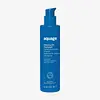 Key Ingredients
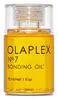
No key ingredients
Benefits
Concerns
Ingredients Side-by-side
C13-14 Isoparaffin
Emollient
Dimethiconol
Emollient
Dimethicone
Emollient
Isohexadecane
EmollientArgania Spinosa Kernel Oil
Emollient







Amodimethicone
Inula Crithmoide Flower/Leaf Extract
Skin ConditioningCrithmum Maritimum Extract
Skin ConditioningLaminaria Digitata Extract
Skin Protecting

C12-15 Alkyl Benzoate
AntimicrobialC10-13 Isoparaffin
Solvent
Prunus Amygdalus Dulcis Oil
Skin Conditioning
Caprylic/Capric Triglyceride
Masking
Benzyl Salicylate
Perfuming



Citral
Perfuming
Coumarin
Perfuming
Limonene
Perfuming
Geraniol
Perfuming
Parfum
Masking
C13-14 Isoparaffin, Dimethiconol, Dimethicone, Isohexadecane, Argania Spinosa Kernel Oil, Amodimethicone, Inula Crithmoide Flower/Leaf Extract, Crithmum Maritimum Extract, Laminaria Digitata Extract, C12-15 Alkyl Benzoate, C10-13 Isoparaffin, Prunus Amygdalus Dulcis Oil, Caprylic/Capric Triglyceride, Benzyl Salicylate, Citral, Coumarin, Limonene, Geraniol, Parfum
Dimethicone
Emollient
Isohexadecane
EmollientC13-14 Isoparaffin
Emollient
Coco-Caprylate
Emollient
Phenyl Trimethicone
Skin Conditioning
Bis-Aminopropyl Diglycol Dimaleate
Skin ConditioningPropanediol
Solvent
Zea Mays Oil
Emulsifying
Beta-Carotene
Skin ConditioningHelianthus Annuus Seed Oil
Emollient
Punica Granatum Seed Oil
Emollient
Water
Skin ConditioningMorinda Citrifolia Leaf Powder
Skin ConditioningParfum
Masking
Hexyl Cinnamal
Perfuming
Limonene
Perfuming
Tocopherol
Antioxidant




Citral
Perfuming
Linalool
Perfuming
Citronellol
Perfuming
Pseudozyma Epicola/Camellia Sinensis Seed Oil Ferment Extract Filtrate
Humectant
Dimethicone, Isohexadecane, C13-14 Isoparaffin, Coco-Caprylate, Phenyl Trimethicone, Bis-Aminopropyl Diglycol Dimaleate, Propanediol, Zea Mays Oil, Beta-Carotene, Helianthus Annuus Seed Oil, Punica Granatum Seed Oil, Water, Morinda Citrifolia Leaf Powder, Parfum, Hexyl Cinnamal, Limonene, Tocopherol, Citral, Linalool, Citronellol, Pseudozyma Epicola/Camellia Sinensis Seed Oil Ferment Extract Filtrate
Reviews
Ingredients Explained
These ingredients are found in both products.
Ingredients higher up in an ingredient list are typically present in a larger amount.
C13-14 Isoparaffin is a synthetic emollient, solvent, and thickening agent. It helps soften skin and improves spreadability without leaving a greasy residue.
This ingredient has been found to be non-sensitizing and safe for use in cosmetics.
Two things floating around online that cause fear-mongering:
There's one scary-sounding study related to kidney tumors in male rats; this depends on a protein called alpha-2u-globulin that binds the ingredient and clogs up kidney cells. Female rats barely make this protein, and humans don't make it at all so this effect cannot happen to us. Regulatory bodies have states this rat-only pathway shouldn't be used to judge human risk.
The other thing you'll see is 1,4-dioxane being a trace byproduct that can form during manufacturing of petroleum-derived ingredients. This is a real, but heavily managed/monitored issue. This byproduct is removed through purification steps before the ingredients goes into the formula. Regulatory bodies also actively monitor residual levels for safety.
One last thing to note: this ingredient is a pure hydrocarbon with no fatty-acid or ester chains for Malassezia to feed on, so it's considered fungal acne safe.
Learn more about C13-14 IsoparaffinCitral is the molecule responsible for the fresh lemon scent in lemon, lime, and lemongrass. It is a fragrance ingredient that can be created from plant essential oils or synthetically.
Though Citral has documented antimicrobial activity against acne bacteria (which is where the marketing claims about it being good for acne-prone skin originate), real formulas use it at fragrance-level concentrations under 1% so there's likely no skin benefit.
You should know this ingredient is a known EU fragrance allergen.
Animal studies classifies this ingredient as a weak-to-moderate skin sensitizer and clinical patch testing on eczema patients confirmed it to be both a contact allergen and irritant.
The term 'citral' is a collective term for two geometric isomers: geranial/Citral A and neral/Citral B.
The term 'fragrance' is not regulated in many countries. In many cases, it is up to the brand to define this term. For instance, many brands choose to label themselves as "fragrance-free" because they are not using synthetic fragrances. However, their products may still contain ingredients such as essential oils that are considered a fragrance.
Learn more about CitralDimethicone is a type of synthetic silicone created from natural materials such as quartz. It is also known as polydimethylsiloxane.
What it does:
Dimethicone comes in different viscosities:
Depending on the viscosity, dimethicone has different properties.
Ingredients lists don't always show which type is used, so we recommend reaching out to the brand if you have questions about the viscosity.
This ingredient is unlikely to cause irritation because it does not get absorbed into skin. However, people with silicone allergies should be careful about using this ingredient.
Note: Dimethicone may contribute to pilling. This is because it is not oil or water soluble, so pilling may occur when layered with products. When mixed with heavy oils in a formula, the outcome is also quite greasy.
Learn more about DimethiconeIsohexadecane is added to enhance texture, emulsify, and to help cleanse. It is an isoparrafin. It is a component of petrolatum.
Due to its large size, Isohexadecane is not absorbed by the skin. Instead, it sits on top and acts as an emollient. Emollients help keep your skin soft and smooth by trapping moisture within.
Isohexadecane is often used in products designed to help oily skin. It is lightweight and non-greasy while helping to moisturize. When mixed with silicones, it gives a product a silky feel.
Learn more about IsohexadecaneLimonene is a fragrance that adds scent and taste to a formulation.
It's found in the peel oil of citrus fruits and other plants such as lavender and eucalyptus. The scent of limonene is generally described as "sweet citrus".
Limonene acts as an antioxidant, meaning it helps neutralize free radicals.
When exposed to air, oxidized limonene may sensitize the skin. Because of this, limonene is often avoided by people with sensitive skin.
The term 'fragrance' is not regulated in many countries. In many cases, it is up to the brand to define this term. For instance, many brands choose to label themselves as "fragrance-free" because they are not using synthetic fragrances. However, their products may still contain ingredients such as essential oils that are considered a fragrance.
Learn more about LimoneneParfum is a catch-all term for an ingredient or more that is used to give a scent to products.
Also called "fragrance", this ingredient can be a blend of hundreds of chemicals or plant oils. This means every product with "fragrance" or "parfum" in the ingredients list is a different mixture.
For instance, Habanolide is a proprietary trade name for a specific aroma chemical. When used as a fragrance ingredient in cosmetics, most aroma chemicals fall under the broad labeling category of “FRAGRANCE” or “PARFUM” according to EU and US regulations.
The term 'parfum' or 'fragrance' is not regulated in many countries. In many cases, it is up to the brand to define this term.
For instance, many brands choose to label themselves as "fragrance-free" because they are not using synthetic fragrances. However, their products may still contain ingredients such as essential oils that are considered a fragrance by INCI standards.
One example is Calendula flower extract. Calendula is an essential oil that still imparts a scent or 'fragrance'.
Depending on the blend, the ingredients in the mixture can cause allergies and sensitivities on the skin. Some ingredients that are known EU allergens include linalool and citronellol.
Parfum can also be used to mask or cover an unpleasant scent.
The bottom line is: not all fragrances/parfum/ingredients are created equally. If you are worried about fragrances, we recommend taking a closer look at an ingredient. And of course, we always recommend speaking with a professional.
Learn more about Parfum

