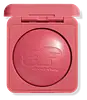
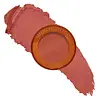
about-face Cheek Freak Blush Balm Versus Danessa Myricks Beauty Yummy Skin Blurring Balm Powder Flushed

What's inside
What's inside
 Key Ingredients
Benefits
Concerns
Ingredients Side-by-side
Isodecyl Isononanoate
EmollientSilica
Abrasive


Octyldodecyl Stearoyl Stearate
Emollient

Isodecyl Neopentanoate
EmollientC12-15 Alkyl Benzoate
AntimicrobialSynthetic Wax
Abrasive
Methyl Methacrylate Crosspolymer
Limnanthes Alba Seed Oil
Skin Conditioning

Dicalcium Phosphate
Abrasive
Synthetic Fluorphlogopite
CI 77891
Cosmetic ColorantCI 77492
Cosmetic ColorantTocopheryl Acetate
Antioxidant


CI 15850
Cosmetic ColorantPentaerythrityl Tetra-Di-T-Butyl Hydroxyhydrocinnamate
Antioxidant
CI 77491
Cosmetic ColorantRicinus Communis Seed Oil
Masking
Hydrolyzed Sodium Hyaluronate
Skin Conditioning

Sodium Hyaluronate
Humectant



CI 42090
Cosmetic ColorantHydrogenated Castor Oil
Emollient
Isodecyl Isononanoate, Silica, Octyldodecyl Stearoyl Stearate, Isodecyl Neopentanoate, C12-15 Alkyl Benzoate, Synthetic Wax, Methyl Methacrylate Crosspolymer, Limnanthes Alba Seed Oil, Dicalcium Phosphate, Synthetic Fluorphlogopite, CI 77891, CI 77492, Tocopheryl Acetate, CI 15850, Pentaerythrityl Tetra-Di-T-Butyl Hydroxyhydrocinnamate, CI 77491, Ricinus Communis Seed Oil, Hydrolyzed Sodium Hyaluronate, Sodium Hyaluronate, CI 42090, Hydrogenated Castor Oil
Magnesium Carbonate
AbsorbentIsohexadecane
EmollientC13-15 Alkane
SolventIsododecane
EmollientDimethicone
Emollient
Squalane
Emollient
Synthetic Wax
Abrasive
Synthetic Candelilla Wax
EmollientKaolin
Abrasive
Tocopheryl Acetate
Antioxidant
Linum Usitatissimum Seed Oil
Perfuming

Zingiber Officinale Root Oil
Masking

Hydrolyzed Sodium Hyaluronate
Skin Conditioning
Glyceryl Behenate
Emollient
Limnanthes Alba Seed Oil
Skin Conditioning
Cera Microcristallina
Emulsion StabilisingPolyethylene
Abrasive
Stearoxy Dimethicone
Emollient
Titanium Dioxide
Cosmetic Colorant

Iron Oxides
CI 19140
Cosmetic ColorantCI 15850
Cosmetic ColorantCI 45410
Cosmetic ColorantCI 42090
Cosmetic ColorantMagnesium Carbonate, Isohexadecane, C13-15 Alkane, Isododecane, Dimethicone, Squalane, Synthetic Wax, Synthetic Candelilla Wax, Kaolin, Tocopheryl Acetate, Linum Usitatissimum Seed Oil, Zingiber Officinale Root Oil, Hydrolyzed Sodium Hyaluronate, Glyceryl Behenate, Limnanthes Alba Seed Oil, Cera Microcristallina, Polyethylene, Stearoxy Dimethicone, Titanium Dioxide, Iron Oxides, CI 19140, CI 15850, CI 45410, CI 42090
Ingredients Explained
These ingredients are found in both products.
Ingredients higher up in an ingredient list are typically present in a larger amount.
Ci 15850 is the pigment color red. It is an azo dye and created synthetically.
Azo dyes need to be thoroughly purified before use. This allows them to be more stable and longer-lasting.
This ingredient is common in foundations, lipsticks, and blushes. This color is described as brown/orangey red.
It has many secondary names such as Red 6 and Red 7. According to a manufacturer, Red 6 usually contains aluminum.
Learn more about CI 15850Ci 42090 is a synthetic dye created from petroleum. It is used to give a bright blue color to cosmetics, medicine, and food.
This ingredient is created by putting sodium hyaluronate through hydrolysis.
You might know this as 'mini' or 'ultra low-molecular weight' hyaluronic acid. The small molecule size means it is able to travel deeper in the skin.
According to studies, low molecular-weight hyaluronic acid can:
One study from 2011 found ultra-low weight HA to show pro-inflammatory properties. Another study from 2022 found it to downregulate UV-B induced inflammation.
Hydrolysis is a process of changing a molecule using water or enzymes.
This ingredient is water-soluble.
Learn more about Hydrolyzed Sodium HyaluronateLimnanthes Alba Seed Oil is from the seeds of the meadowfoam plant. It is a skin conditioning agent and emollient that sits on top of skin to soften and hydrate it.
Over 98% of the oil is made up of long-chain fatty acids, mostly aachidic acid (61%), docosenoic acid (~16%), and docosadienoic acid (~18%).
This combination is not really found in any other plant oil and is the reason this is one of the most stable botanical oils available.
Some studies show it to be more stable than jojoba oil, helps a product resist going rancid, and can help extend the shelf life of a formula.
It also naturally contains vitamin E and phytosterols that give it a mild antioxidant benefit.
This ingredient is typically used from around 1% to fairly high levels since it's gentle; it's well-tolerated and low on the irritation scale.
Learn more about Limnanthes Alba Seed OilSynthetic Wax is a manufactured hydrocarbon wax. In formulas, it works as an occlusive emollient that helps reduce water loss and improves the spreadability of products.
Research comparing synthetic wax to traditional mineral-derived products found that formulas containing it perform as well for skin hydration.
It is considered non-comedogenic and vegan-friendly.
This ingredient has a well-established safety record by the CIR Expert Panel for Cosmetic Ingredient Safety.
Synthetic Waxes are straight/branched-chain hydrocarbons with no ester bond or fatty acids. That means there is nothing for the Malassezia yeast to feed on.
Learn more about Synthetic WaxTocopheryl Acetate is a stable, shelf-friendly form of vitamin E.
Formulators love it because plain vitamin E oxidizes quickly once it hits air. This acetate version stays stable and resists going off, helping to extend a product's shelf life.
It's actually inactive on its own and works like a slow-release "storage" form; the enzymes in your skin called esterases gradually convert it into active vitamin E over time.
One in vivo study showed 5% of the acetate in the living layer of the epidermis converted to vitamin E after 5 days of application. This study also found the skin gained protection against UV damage even though the conversion was slow and small.
Once converted, vitamin E acts as a skin's main fat-soluble antioxidant that fights free radicals to protect skin from damage.
Topical vitamin E generally boosts the skin's photoprotection, and it reduced UV-damage in animal models.
This ingredient has some brightening potential but it's more of a prevention ingredient than spot-fader. Cell studies show it can slow down melanin production but it's worth noting that it's not the most powerful brightener out there.
Overall, it has a pretty solid safety profile and has been found to be non-irritating and non-comedogenic. Allergic reactions may happen but stay rare due to how widely the ingredient gets used.
The concentration will vary depending on the formula; industry data shows 0.1% in baby lotions, 3% in lipsticks, and 5% in foot powders. You can also find this ingredient at 100% in a pure vitamin E oil.
Most leave-on skincare keeps it at the lower end, often between 0.5-1%.
Learn more about Tocopheryl Acetate

