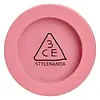
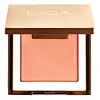
3CE Mood For Blossom Face Blush Versus Esqa Blush


What's inside
What's inside
 Key Ingredients
Benefits
Concerns
Ingredients Side-by-side
Talc
Abrasive
Mica
Cosmetic ColorantCI 77891
Cosmetic ColorantNylon-12


Silica
Abrasive
Octyldodecyl Stearoyl Stearate
Emollient

Phenyl Trimethicone
Skin Conditioning
Magnesium Myristate


Magnesium Stearate
Cosmetic ColorantMacadamia Ternifolia Seed Oil
Emollient

Methylpropanediol
SolventDiisostearyl Malate
EmollientDipentaerythrityl Hexahydroxystearate/Hexastearate/Hexarosinate
Skin ConditioningDimethicone
Emollient
Propanediol
Solvent
Dimethiconol Stearate
EmollientHydrogenated Lecithin
Emulsifying
Lauroyl Lysine
Skin Conditioning
Triethoxycaprylylsilane
Water
Skin ConditioningCI 73360
Cosmetic ColorantCI 77492
Cosmetic ColorantCI 77007
Cosmetic ColorantCI 77491
Cosmetic ColorantTalc, Mica, CI 77891, Nylon-12, Silica, Octyldodecyl Stearoyl Stearate, Phenyl Trimethicone, Magnesium Myristate, Magnesium Stearate, Macadamia Ternifolia Seed Oil, Methylpropanediol, Diisostearyl Malate, Dipentaerythrityl Hexahydroxystearate/Hexastearate/Hexarosinate, Dimethicone, Propanediol, Dimethiconol Stearate, Hydrogenated Lecithin, Lauroyl Lysine, Triethoxycaprylylsilane, Water, CI 73360, CI 77492, CI 77007, CI 77491
Mica
Cosmetic ColorantTalc
Abrasive
Titanium Dioxide
Cosmetic Colorant
Polymethyl Methacrylate
Dimethicone
Emollient
Lauroyl Lysine
Skin Conditioning
Methicone
Emollient
Magnesium Myristate
Cyclopentasiloxane
Emollient
Triethylhexanoin
MaskingHydroxyapatite
Abrasive
Dimethiconol
Emollient
Tocopheryl Acetate
Antioxidant


BHT
Antioxidant
Sorbitan Laurate
Emulsifying
DMDM Hydantoin
Preservative

Water
Skin ConditioningIodopropynyl Butylcarbamate
Preservative
CI 15850
Cosmetic ColorantCI 15985
Cosmetic ColorantCI 19140
Cosmetic ColorantCI 77491
Cosmetic ColorantMica, Talc, Titanium Dioxide, Polymethyl Methacrylate, Dimethicone, Lauroyl Lysine, Methicone, Magnesium Myristate, Cyclopentasiloxane, Triethylhexanoin, Hydroxyapatite, Dimethiconol, Tocopheryl Acetate, BHT, Sorbitan Laurate, DMDM Hydantoin, Water, Iodopropynyl Butylcarbamate, CI 15850, CI 15985, CI 19140, CI 77491
Ingredients Explained
These ingredients are found in both products.
Ingredients higher up in an ingredient list are typically present in a larger amount.
Ci 77491 is also hydrated iron III oxide. It's sole purpose is to give a red/pink hue to products.
Iron III oxides are classified as inorganic chemicals for coloring.
Synthetically created Ci 77491 is considered safer than those naturally found. This is because the synthetically created version may contain less impurities. Iron oxides are generally non-toxic and non-allergenic.
Learn more about CI 77491Dimethicone is a type of synthetic silicone created from natural materials such as quartz. It is also known as polydimethylsiloxane.
What it does:
Dimethicone comes in different viscosities:
Depending on the viscosity, dimethicone has different properties.
Ingredients lists don't always show which type is used, so we recommend reaching out to the brand if you have questions about the viscosity.
This ingredient is unlikely to cause irritation because it does not get absorbed into skin. However, people with silicone allergies should be careful about using this ingredient.
Note: Dimethicone may contribute to pilling. This is because it is not oil or water soluble, so pilling may occur when layered with products. When mixed with heavy oils in a formula, the outcome is also quite greasy.
Learn more about DimethiconeThis ingredient comes from a fatty acid (lauric acid) and amino acid (lysine). It is used to add a silky feel to cosmetics.
According to a manufacturer, its fatty acid base leaves a silky feeling on the skin. It also has emollient properties because of this. Emollients help soften skin by preventing water from evaporating.
Lauroyl lysine is barely soluble in water.
Learn more about Lauroyl LysineMagnesium Myristate is the magnesium salt of myristic acid, a saturated fatty acid that is naturally found in coconut and palm kernel oil.
In formulas, it's used as an anticaker, opacifier, and viscosity controller; it improves adhesion and glide in pressed mineral makeup, works as a non-gelling thickener in eyeliners/mascaras/lipsticks, and doubles as a white opacifier.
There's no published concentration use from surveys so the best available numbers are supplier guidance: 5-10% for loose powders and 2-5% for creamy cosmetics + pressed powder binding.
The CIR Expert Panel reviewed Magnesium Myristate as part of its assessment of myristic acid and its salts and esters, and concluded the whole group is safe as used in cosmetics.
In human studies, Myristic Acid was non-irritating up to 50% and 100% Magnesium Stearate was non-irritating and non-corrosive on skin and non-irritating to the eye.
There are no published contact allergy case reports for this ingredient so allergy risk is low, but not zero for any ingredient.
There is no comedogenic data for Magnesum Myristate. The comedogenic ratings that circulate for "myristates" come from Isopropyl Myristate which is a structurally different ester.
The rabbit-ear models those comedogenic ratings come from have been shown to be unreliable for predicting whether a finished product will clog pores.
Human testing has proved that any finished product with a comedogenic ingredient won't automatically make you break out; it really comes down to concentration, formula, and your skin.
Some people still find it breaks them out. So if that's you, definitely trust your skin.
Learn more about Magnesium MyristateMica is a naturally occurring mineral used to add shimmer and color in cosmetics. It can also help improve the texture of a product or give it an opaque, white/silver color.
Serecite is the name for very fine but ragged grains of mica.
This ingredient is often coated with metal oxides like titanium dioxide. Trace amounts of heavy metals may be found in mica, but these metals are not harmful in our personal products.
Mica has been used since prehistoric times throughout the world. Ancient Egyptian, Indian, Greek, Roman, Aztec, and Chinese civilizations have used mica.
Learn more about MicaTalc is a clay mineral. It helps absorb moisture and improve the texture of products. Like other types of clay, Talc can have a slight exfoliating effect on skin. Talc can be added to increase the volume of products.
Some Baby powders are made by combining talc with corn starch. The word "talc" comes from Latin and originates from Arabic. Talc is a mineral commonly found throughout the world.
If you have any concerns about using talc, we recommend checking out the FDA's official page.
Learn more about TalcWater. It's the most common cosmetic ingredient of all. You'll usually see it at the top of ingredient lists, meaning that it makes up the largest part of the product.
So why is it so popular? Water most often acts as a solvent - this means that it helps dissolve other ingredients into the formulation.
You'll also recognize water as that liquid we all need to stay alive. If you see this, drink a glass of water. Remember to stay hydrated!
Learn more about Water

