Kneipp Bath Oil
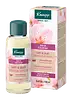
A body oil with 21 ingredients, including vitamin E.
Overview
What it is
Body oil with 21 ingredients that contains Vitamin E
Cool Features
It is vegan and reef safe
Suited For
It has ingredients that are good for anti aging, dry skin, sensitive skin, scar healing and dark spots
Free From
It doesn't contain any parabens, silicones or sulfates
Fun facts
Kneipp is from Germany.
We independently verify ingredients and our claims are backed by peer-reviewed research. Does this product need an update? Let us know.
What's inside
Ingredients List
Prunus Amygdalus Dulcis Oil
Skin Conditioning



Benzyl Benzoate
Antimicrobial


PEG-40 Sorbitan Peroleate
Emulsifying
Prunus Amygdalus Dulcis Flower Extract
HumectantPogostemon Cablin Leaf Oil
Masking
Amyris Balsamifera Bark Oil
Masking
Citrus Aurantium Dulcis Peel Oil
Masking
Lavandula Hybrida Oil
Emollient
Limonene
Perfuming

Linalool
Perfuming
Coumarin
Perfuming
Alpha-Isomethyl Ionone
Perfuming
Geraniol
Perfuming
Citral
Perfuming
Eugenol
Perfuming
Citronellol
Perfuming
Benzyl Alcohol
Perfuming



Parfum
Masking
Helianthus Annuus Hybrid Oil
Emollient
Glycine Soja Oil
Emollient

Tocopherol
Antioxidant




Prunus Amygdalus Dulcis Oil, Benzyl Benzoate, PEG-40 Sorbitan Peroleate, Prunus Amygdalus Dulcis Flower Extract, Pogostemon Cablin Leaf Oil, Amyris Balsamifera Bark Oil, Citrus Aurantium Dulcis Peel Oil, Lavandula Hybrida Oil, Limonene, Linalool, Coumarin, Alpha-Isomethyl Ionone, Geraniol, Citral, Eugenol, Citronellol, Benzyl Alcohol, Parfum, Helianthus Annuus Hybrid Oil, Glycine Soja Oil, Tocopherol
Key Ingredients
Benefits
Concerns
Ingredients Explained
Prunus Amygdalus Dulcis Oil comes from the sweet almond, a tree native to Iran. This oil has no fragrance and is non-volatile.
Almonds contain healthy fats, vitamins, and minerals. It is a rich source of Vitamin E, a great antioxidant and skin conditioning ingredient. Sweet almond oil contains fatty acids such as linolenic acid and triglycerides.
The content of sweet almond oil makes it a great emollient; it can help soften and hydrate your skin. Emollients create a barrier over your skin to trap moisture in. Sweet almond oil has antioxidant properties.
Those with an almond allergy should be careful of this ingredient and speak with a professional about using it in your skincare.
This ingredient may not be fungal-acne safe.
Learn more about Prunus Amygdalus Dulcis OilBenzyl Benzoate is usually created from the condensation of benzoic acid and benzyl alcohol. It is used as a preservative, solvent, and has a floral/balsamic scent in large amounts.
As a preservative, Benzyl Benzoate works against bacteria and fungus. It is often used to treat scabies and lice in medicine.
Solvents are used to keep ingredients together in a product. They can help dissolve ingredients to stable bases or help evenly distribute ingredients throughout the product.
Due to its fragrance, Benzyl Benzoate can be sensitizing and may cause contact dermatitis. It is a known EU allergen. We recommend speaking with a professional if you have any concerns.
Benzyl Benzoate can be naturally found in cranberries and peaches.
Learn more about Benzyl BenzoatePEG-40 Sorbitan Peroleate isn't fungal acne safe.
We don't have a description for Prunus Amygdalus Dulcis Flower Extract yet.
This ingredient is commonly known as Patchouli oil.
Patchouli exhibits slight antibacterial and antifungal activity from its patchoulol and alpha-patchoulene content.
However, it also contains known skin-irritating fragrances. A study from 2015 found limonene and camphor as active components of this ingredient.
Limonene and camphor are both known EU allergens.
Learn more about Pogostemon Cablin Leaf OilThis ingredient is used as a perfuming ingredient, or to add a fragrance. It is described to have a woody, balsamic, slightly sweet scent.
Citrus Aurantium Dulcis Peel Oil is oil from the peel of an orange fruit.
Limonene and linalool make up the majority of oils from citrus peels. Limonene has a "citrus" fragrance. Citrus peels also contain flavonoids, which have anti-inflammatory properties.
Citrus peel is also a rich source of flavonoids. Flavonoids are natural antioxidants and help protect your skin against damage. Flavonoids are a group of compounds naturally found in vegetables and fruits.
The term 'fragrance' is not regulated in many countries. In many cases, it is up to the brand to define this term. For instance, many brands choose to label themselves as "fragrance-free" because they are not using synthetic fragrances. However, their products may still contain ingredients such as essential oils that are considered a fragrance.
Learn more about Citrus Aurantium Dulcis Peel OilLavandula Hybrida Oil is an oil.
Limonene is a fragrance that adds scent and taste to a formulation.
It's found in the peel oil of citrus fruits and other plants such as lavender and eucalyptus. The scent of limonene is generally described as "sweet citrus".
Limonene acts as an antioxidant, meaning it helps neutralize free radicals.
When exposed to air, oxidized limonene may sensitize the skin. Because of this, limonene is often avoided by people with sensitive skin.
The term 'fragrance' is not regulated in many countries. In many cases, it is up to the brand to define this term. For instance, many brands choose to label themselves as "fragrance-free" because they are not using synthetic fragrances. However, their products may still contain ingredients such as essential oils that are considered a fragrance.
Learn more about LimoneneLinalool is a fragrance and helps add scent to products. It's derived from common plants such as cinnamon, mint, citrus, and lavender.
Like Limonene, this ingredient oxidizes when exposed to air. Oxidized linalool can cause allergies and skin sensitivity.
This ingredient has a scent that is floral, spicy tropical, and citrus-like.
Learn more about LinaloolCoumarins are a group of substances found naturally in plants. There are over 1300 types of coumarins identified. It has a natural vanilla scent.
Coumarin is an identified EU known allergy, meaning it may cause an allergic reaction when applied to the skin.
In many countries, coumarin is banned as a food additive. However, it can be found in soaps, tobacco products, and some alcohol drinks.
Plants use coumarins as a chemical defense. Some plants that have coumarins include lavender, tonka beans, and yellow clovers.
Learn more about CoumarinAlpha-Isomethyl Ionone is a fragrance. It can be synthetically created or naturally occurring.
The scent of Alpha-Isomethyl Ionone is described as "flowery" but can also be "woody".
Naturally occurring Alpha-Isomethyl Ionone may be found in Saccharomyces cerevisiae, or the yeast used to make wine and bread.
The term 'fragrance' is not regulated in many countries. In many cases, it is up to the brand to define this term. For instance, many brands choose to label themselves as "fragrance-free" because they are not using synthetic fragrances. However, their products may still contain ingredients such as essential oils that are considered a fragrance.
Learn more about Alpha-Isomethyl IononeGeraniol is used to add fragrance/parfum to a product. It is the main component of citronellol. It is a monoterpenoid and an alcohol.
Monoterpenes are naturally found in many parts of different plants.
Geraniol can be found in many essential oils including Rose Oil and Citronella Oil. The scent of Geraniol is often described as "rose-like". Many foods also contain Geraniol for fruit flavoring.
Geraniol can irritate the skin when exposed to air. However, irritation depends on the ability of geraniol to penetrate into the skin. In general, geraniol is not able to penetrate skin easily.
Geraniol is colorless and has low water-solubility. However, it is soluble in common organic solvents.
Like citronellol, it is a natural insect repellent.
2,6-Octadien-1-ol, 3,7-dimethyl-, (2E)-
Learn more about GeraniolCitral is a fragrance and used to add a lemon-like scent to products. It is both naturally found in plants and created synthetically. In plants, it is commonly occurring in lemon myrtle, lemongrass, lemon tea-tree, lemon verbena, and other citruses.
The EU mandates Citral be listed separately as a fragrance. It is a known allergen and may cause contact dermatitis. Citral can also used as a masking ingredient.
The term 'fragrance' is not regulated in many countries. In many cases, it is up to the brand to define this term. For instance, many brands choose to label themselves as "fragrance-free" because they are not using synthetic fragrances. However, their products may still contain ingredients such as essential oils that are considered a fragrance.
The term 'citral' is a collective term for two geometric isomers: geranial/Citral A and neral/Citral B.
Learn more about CitralEugenol is naturally found in cloves, basil, and bay leaves. It is an aromatic oil used to add fragrance to a product. The scent of eugenol is described as "clove-like". Eugenol is a known EU allergen, meaning it causes contact allergies.
Studies show eugenol possesses antibacterial and antioxidant properties.
Besides cosmetics, eugenol is also added as a flavor in teas and cakes.
Learn more about EugenolCitronellol is used to add fragrance/parfum to a product. It is often derived from plants such as roses. In fact, it can be found in many essential oils including geranium, lavender, neroli, and more. The scent of Citronellol is often described as "fresh, grassy, and citrus-like".
Since the Citronellol molecule is already unstable, Citronellol becomes irritating on the skin when exposed to air.
Citronellol is a modified terpene. Terpenes are unsaturated hydrocarbons found in plants. They make up the primary part of essential oils.
Citronellol is not able to be absorbed into deeper layers of the skin. It has low permeability,
Citronellol is also a natural insect repellent.
Learn more about CitronellolBenzyl Alcohol is most commonly used as a preservative. It also has a subtle, sweet smell. Small amounts of Benzyl Alcohol is not irritating and safe to use in skincare products. Most Benzyl Alcohol is derived from fruits such as apricots.
Benzyl Alcohol has both antibacterial and antioxidant properties. These properties help lengthen the shelf life of products. Benzyl Alcohol is a solvent and helps dissolve other ingredients. It can also improve the texture and spreadability.
Alcohol comes in many different forms. Different types of alcohol will have different effects on skin. This ingredient is an astringent alcohol.
Using high concentrations of these alcohols are drying on the skin. They may strip away your skin's natural oils and even damage your skin barrier. Astringent alcohols may also irritate skin.
Other types of astringent alcohols include:
According to the National Rosacea Society based in the US, you should be mindful of products with these alcohols in the top half of ingredients.
Any type of sanitizing product will have high amounts of alcohol to help kill bacteria and viruses.
Learn more about Benzyl AlcoholParfum is a catch-all term for an ingredient or more that is used to give a scent to products.
Also called "fragrance", this ingredient can be a blend of hundreds of chemicals or plant oils. This means every product with "fragrance" or "parfum" in the ingredients list is a different mixture.
For instance, Habanolide is a proprietary trade name for a specific aroma chemical. When used as a fragrance ingredient in cosmetics, most aroma chemicals fall under the broad labeling category of “FRAGRANCE” or “PARFUM” according to EU and US regulations.
The term 'parfum' or 'fragrance' is not regulated in many countries. In many cases, it is up to the brand to define this term.
For instance, many brands choose to label themselves as "fragrance-free" because they are not using synthetic fragrances. However, their products may still contain ingredients such as essential oils that are considered a fragrance by INCI standards.
One example is Calendula flower extract. Calendula is an essential oil that still imparts a scent or 'fragrance'.
Depending on the blend, the ingredients in the mixture can cause allergies and sensitivities on the skin. Some ingredients that are known EU allergens include linalool and citronellol.
Parfum can also be used to mask or cover an unpleasant scent.
The bottom line is: not all fragrances/parfum/ingredients are created equally. If you are worried about fragrances, we recommend taking a closer look at an ingredient. And of course, we always recommend speaking with a professional.
Learn more about ParfumHelianthus Annuus Hybrid Oil is an oil and isn't fungal acne safe.
Glycine Soja Oil comes from the soybean. Glycine Soja is native to eastern Asia.
Soybean oil is an emollient. It is rich in antioxidants and fatty acids including palmitic, stearic, oleic, and linoleic acids.
As an emollient, the fatty acids in soybean oil helps keep your skin soft and hydrated. It does so by creating a film on top that traps moisture in.
Soybean oil is also rich in vitamin E, a potent antioxidant. Vitamin E is also anti-inflammatory and provides a soothing effect.
Studies show soy may help fade hyperpigmentation from UVB. It does so by disrupting the melanin process from UVB induced skin inflammation.
This ingredient may not be malassezia folliculitis, or fungal-acne, safe.
Soybeans are rich in proteins and are part of the legume family. Foods made with soybeans include tofu, soymilk, edamame, miso, and soy sauce.
Learn more about Glycine Soja OilTocopherol (also known as Vitamin E) is a common antioxidant used to help protect the skin from free-radicals and strengthen the skin barrier. It's also fat soluble - this means our skin is great at absorbing it.
Vitamin E also helps keep your natural skin lipids healthy. Your lipid skin barrier naturally consists of lipids, ceramides, and fatty acids. Vitamin E offers extra protection for your skin’s lipid barrier, keeping your skin healthy and nourished.
Another benefit is a bit of UV protection. Vitamin E helps reduce the damage caused by UVB rays. (It should not replace your sunscreen). Combining it with Vitamin C can decrease sunburned cells and hyperpigmentation after UV exposure.
You might have noticed Vitamin E + C often paired together. This is because it is great at stabilizing Vitamin C. Using the two together helps increase the effectiveness of both ingredients.
There are often claims that Vitamin E can reduce/prevent scarring, but these claims haven't been confirmed by scientific research.
Learn more about TocopherolReviews
No written reviews yet. Be the first to review this product.
Where it's from
Kneipp is a German brand


We're dedicated to providing you with the most up-to-date and science-backed ingredient info out there.
The data we've presented on this page has been verified by a member of the SkinSort Team.
Read more about us· Updated December 10, 2025 • Added by Frans

