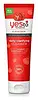
This gel cleanser uses mild cleansing ingredients, but contains alcohol that may feel drying for some.
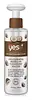
This mild micellar makeup remover is made to dissolve makeup, sunscreen, and daily buildup.

What's inside
What's inside
 Key Ingredients
Benefits
Concerns
Ingredients Side-by-side
Water
Skin ConditioningLauryl Glucoside
CleansingCocamidopropyl Betaine
Cleansing



Sodium Chloride
MaskingGlycerin
Humectant


Aloe Barbadensis Leaf Juice
Skin Conditioning

Solanum Lycopersicum Fruit Extract
Antioxidant
Citrullus Lanatus Seed Oil
Emollient

Aspalathus Linearis Leaf Extract
Skin ConditioningMaris Limus Extract
Skin ProtectingCitric Acid
Buffering

Glyceryl Caprylate
EmollientAlcohol
Antimicrobial

Potassium Sorbate
Preservative
Sodium Benzoate
Masking
Phenethyl Alcohol
MaskingParfum
Masking

Water, Lauryl Glucoside, Cocamidopropyl Betaine, Sodium Chloride, Glycerin, Aloe Barbadensis Leaf Juice, Solanum Lycopersicum Fruit Extract, Citrullus Lanatus Seed Oil, Aspalathus Linearis Leaf Extract, Maris Limus Extract, Citric Acid, Glyceryl Caprylate, Alcohol, Potassium Sorbate, Sodium Benzoate, Phenethyl Alcohol, Parfum
Water
Skin ConditioningPentylene Glycol
Skin Conditioning
Polyglyceryl-4 Laurate/Sebacate
SolventPolyglyceryl-4 Caprylate/Caprate
SurfactantHamamelis Virginiana Water
Astringent
Caprylyl/Capryl Glucoside
CleansingCocos Nucifera Fruit Extract
Emollient
Aloe Barbadensis Leaf Juice
Skin Conditioning
Hexylene Glycol
EmulsifyingBiosaccharide Gum-1
Humectant
Niacinamide
Smoothing






Disodium EDTA
ChelatingChlorhexidine Digluconate
Antimicrobial
Sodium Hydroxide
BufferingParfum
Masking
Water, Pentylene Glycol, Polyglyceryl-4 Laurate/Sebacate, Polyglyceryl-4 Caprylate/Caprate, Hamamelis Virginiana Water, Caprylyl/Capryl Glucoside, Cocos Nucifera Fruit Extract, Aloe Barbadensis Leaf Juice, Hexylene Glycol, Biosaccharide Gum-1, Niacinamide, Disodium EDTA, Chlorhexidine Digluconate, Sodium Hydroxide, Parfum
Ingredients Explained
These ingredients are found in both products.
Ingredients higher up in an ingredient list are typically present in a larger amount.
Aloe Barbadensis Leaf Juice is the filtered, stabilized liquid pressed from the inner gel of the aloe vera leaf.
In cosmetics, it shows up as either soothing active or a water-replacement base. It is roughly 98-99% water and the last 1-2% is an interesting mix of polysaccharides, amino acids, vitamins, minerals, and enzymes.
The polysaccharides do most of the work: they bind water at the skin surface for a light, non-greasy hydration boost. And one of the polysaccharides, glycomannan, is linked to fibroblast stimulation + collagen synthesis. This is also why aloe has such a long track record in wound and burn healing.
This ingredient is also calming with anti-inflammatory and mild antimicrobial activity, making it a great pick for sensitive, irritated, or post-sun skin.
Realistic expectations matter though; the solid evidence is mostly limited to hydration, soothing, and wound support. Deeper claims about anti-aging or sun protection are not well backed, and science reviews note it does not prevent radiation-induced skin injury.
Because it plays well with almost everything, it's commonly used as a base alongside other actives like niacinamide or vitamin C.
Typical usage concentrations range from 0.5% (where hydration benefits already show up) all the way to 90%+ (where it replaces water as the main base).
The safety for this ingredient is well-establish as well. Overall, this is a great supporting ingredient for those who want a boost in hydration.
Learn more about Aloe Barbadensis Leaf JuiceParfum is a catch-all term for an ingredient or more that is used to give a scent to products.
Also called "fragrance", this ingredient can be a blend of hundreds of chemicals or plant oils. This means every product with "fragrance" or "parfum" in the ingredients list is a different mixture.
For instance, Habanolide is a proprietary trade name for a specific aroma chemical. When used as a fragrance ingredient in cosmetics, most aroma chemicals fall under the broad labeling category of “FRAGRANCE” or “PARFUM” according to EU and US regulations.
The term 'parfum' or 'fragrance' is not regulated in many countries. In many cases, it is up to the brand to define this term.
For instance, many brands choose to label themselves as "fragrance-free" because they are not using synthetic fragrances. However, their products may still contain ingredients such as essential oils that are considered a fragrance by INCI standards.
One example is Calendula flower extract. Calendula is an essential oil that still imparts a scent or 'fragrance'.
Depending on the blend, the ingredients in the mixture can cause allergies and sensitivities on the skin. Some ingredients that are known EU allergens include linalool and citronellol.
Parfum can also be used to mask or cover an unpleasant scent.
The bottom line is: not all fragrances/parfum/ingredients are created equally. If you are worried about fragrances, we recommend taking a closer look at an ingredient. And of course, we always recommend speaking with a professional.
Learn more about ParfumWater. It's the most common cosmetic ingredient of all. You'll usually see it at the top of ingredient lists, meaning that it makes up the largest part of the product.
So why is it so popular? Water most often acts as a solvent - this means that it helps dissolve other ingredients into the formulation.
You'll also recognize water as that liquid we all need to stay alive. If you see this, drink a glass of water. Remember to stay hydrated!
Learn more about Water

