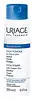
This calming toner is formulated around Copper Gluconate and Zinc Gluconate to calm redness and strengthen the skin barrier.


What's inside
What's inside
 Key Ingredients
Benefits
Concerns
Ingredients Side-by-side
Water
Skin ConditioningButylene Glycol
Humectant

Glycerin
Humectant
Magnesium Aluminum Silicate
Absorbent
PEG-80 Glyceryl Cocoate
Emulsifying




Chlorphenesin
Antimicrobial
Copper Gluconate
Skin Conditioning
Sodium Dextran Sulfate
Gel FormingXanthan Gum
EmulsifyingManganese Gluconate
Skin ConditioningPvp
Emulsion StabilisingZinc Gluconate
Skin Conditioning


Phytosphingosine
Skin Conditioning


Sodium Hydroxide
BufferingAsiaticoside
Antioxidant

Water
Skin ConditioningGlycerin
Humectant
Panthenol
Skin Conditioning
Betaine
Humectant
Allantoin
Skin Conditioning
Urea
Buffering
Sodium PCA
Humectant
Sodium Lactate
Buffering
PCA
Humectant
Magnesium Aspartate
Skin ConditioningZinc Gluconate
Skin Conditioning
Phragmites Karka Extract
Skin ConditioningPoria Cocos Extract
Skin ConditioningPantolactone
Humectant
Serine
Masking
Alanine
Masking
Glycine
Buffering
Biosaccharide Gum-1
Humectant
Glutamic Acid
Humectant
Lysine Hcl
Skin Conditioning
Threonine
Arginine
Masking
Copper Gluconate
Skin Conditioning
Proline
Skin Conditioning
Disodium Phosphate
BufferingPhenoxyethanol
Preservative
Ethylhexylglycerin
Skin ConditioningSodium Benzoate
Masking
Citric Acid
Buffering

Water, Glycerin, Panthenol, Betaine, Allantoin, Urea, Sodium PCA, Sodium Lactate, PCA, Magnesium Aspartate, Zinc Gluconate, Phragmites Karka Extract, Poria Cocos Extract, Pantolactone, Serine, Alanine, Glycine, Biosaccharide Gum-1, Glutamic Acid, Lysine Hcl, Threonine, Arginine, Copper Gluconate, Proline, Disodium Phosphate, Phenoxyethanol, Ethylhexylglycerin, Sodium Benzoate, Citric Acid
Reviews
Ingredients Explained
These ingredients are found in both products.
Ingredients higher up in an ingredient list are typically present in a larger amount.
This ingredient is a copper salt known for its wound healing properties.
Our bodies use copper to help stabilize our skin's collagen and elastin. Its also an essential for superoxide dismutase, an enzyme with strong antioxidant properties.
Copper has wound healing properties due to its role in creating new blood vessels and tissue repair.
Learn more about Copper GluconateGlycerin (or glycerol) is a compound naturally found in your skin. It's a powerhouse humectant that pulls water into the stratum corneum.
Topically, glycerin does several things at once:
Your skin makes glycerin on its own (mostly from sebaceous oil breakdown) and shuttles it to your outermost layer of skin, or your epidermis, via aquaporin-3.
Aquaporin-3 is a transporter that is essential for normal skin hydration, elasticity, and repair. Interestingly, mice lacking in AQP3 have dry and less elastic skin that can be fully corrected with glycerin.
This ingredient is non-irritating, plays well with almost every ingredient, and works across all skin types. Typical use is anywhere between 3-10% but can go up to 79% in some leave-on products.
Just know very high concentrations (>40%) can feel tacky in low humidity.
Glycerin is the name for this ingredient in American English. British English uses Glycerol/Glycerine.
Learn more about GlycerinWater. It's the most common cosmetic ingredient of all. You'll usually see it at the top of ingredient lists, meaning that it makes up the largest part of the product.
So why is it so popular? Water most often acts as a solvent - this means that it helps dissolve other ingredients into the formulation.
You'll also recognize water as that liquid we all need to stay alive. If you see this, drink a glass of water. Remember to stay hydrated!
Learn more about WaterZinc gluconate has antibacterial and wound healing properties. It is particularly effective against fighting inflammatory acne.
This ingredient is the zinc salt of the PHA gluconic acid. PHAs are gentle cousins to AHAs.


