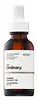
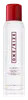
The Ordinary Mandelic Acid 10% + HA Versus One/Size by Patrick Starrr Oil Sucker Liquid Blotting Paper Spray
This smoothing serum is formulated around Mandelic Acid and Sodium Hyaluronate Crosspolymer to refine skin texture and brighten dull-looking skin.


What's inside
What's inside
 Key Ingredients
Benefits
Concerns
Ingredients Side-by-side




Water
Skin ConditioningDimethyl Ether
SolventAlcohol Denat.
Antimicrobial




Magnesium Aluminum Silicate
Absorbent
Glycerin
Humectant


Propanediol
Solvent
Ethylhexyl Palmitate
Emollient


Sodium Silicate
BufferingPhenoxyethanol
Preservative
Caprylyl Glycol
Emollient
Disodium EDTA
ChelatingEthylhexylglycerin
Skin ConditioningHexylene Glycol
EmulsifyingTrihydroxystearin
Skin Conditioning
Pentylene Glycol
Skin Conditioning
Cellulose
Absorbent
3-Aminopropane Sulfonic Acid
SurfactantCalcium Hydroxymethionine
Skin ConditioningPolysorbate 20
Emulsifying
Panax Ginseng Extract
Antioxidant
Sodium Hyaluronate
Humectant


Hydroxyethylcellulose
Emulsion StabilisingSodium Benzoate
Masking
Cellulose Gum
Emulsion StabilisingCitric Acid
Buffering

Hexyl Laurate
Emollient
PEG-10 Sorbitan Laurate
EmulsifyingSorbitan Trioleate
Emulsifying
Water, Dimethyl Ether, Alcohol Denat., Magnesium Aluminum Silicate, Glycerin, Propanediol, Ethylhexyl Palmitate, Sodium Silicate, Phenoxyethanol, Caprylyl Glycol, Disodium EDTA, Ethylhexylglycerin, Hexylene Glycol, Trihydroxystearin, Pentylene Glycol, Cellulose, 3-Aminopropane Sulfonic Acid, Calcium Hydroxymethionine, Polysorbate 20, Panax Ginseng Extract, Sodium Hyaluronate, Hydroxyethylcellulose, Sodium Benzoate, Cellulose Gum, Citric Acid, Hexyl Laurate, PEG-10 Sorbitan Laurate, Sorbitan Trioleate
Reviews
Ingredients Explained
These ingredients are found in both products.
Ingredients higher up in an ingredient list are typically present in a larger amount.
Caprylyl Glycol is a humectant, skin conditioner, emollient, and preservative booster derived from either caprylic acid or synthetically created.
Typical use levels vary from 0.3-1% as a preservative booster and go up to 2% to condition skin.
Because it is not a free-fatty acid, this ingredient is fungal acne safe (there's nothing for Malassezia to feed on).
Learn more about Caprylyl GlycolEthylhexylglycerin is created from glycerin. It is a multitasker ingredient that:
The CIR Expert Panel found minimal skin absorption or sensitization of any kind in a safety assessment. Though this ingredient is considered well-tolerated, a small number of cases of allergic dermatitis have been published since 2002. Just be sure to patch test if you are unsure.
Industry-reported use ranges from 8% in rinse-off products and 2% in leave-on formulations.
Learn more about EthylhexylglycerinGlycerin (or glycerol) is a compound naturally found in your skin. It's a powerhouse humectant that pulls water into the stratum corneum.
Topically, glycerin does several things at once:
Your skin makes glycerin on its own (mostly from sebaceous oil breakdown) and shuttles it to your outermost layer of skin, or your epidermis, via aquaporin-3.
Aquaporin-3 is a transporter that is essential for normal skin hydration, elasticity, and repair. Interestingly, mice lacking in AQP3 have dry and less elastic skin that can be fully corrected with glycerin.
This ingredient is non-irritating, plays well with almost every ingredient, and works across all skin types. Typical use is anywhere between 3-10% but can go up to 79% in some leave-on products.
Just know very high concentrations (>40%) can feel tacky in low humidity.
Glycerin is the name for this ingredient in American English. British English uses Glycerol/Glycerine.
Learn more about GlycerinPentylene Glycol (1,2-pentanediol) is a multitasking little diol with three main roles in a formula:
Research on alkanediols (the family pentylene glycol belongs to) show they work by disrupting microbial cell membranes. This disruption helps the primary preservative system in a product work more effectively at lower doses.
On the safety side, the Cosmetic Ingredient Review Expert Panel has concluded this ingredient to be safe as used in current cosmetic practices + concentrations.
Typical use levels in a formula run about 1-5%.
Learn more about Pentylene GlycolPolysorbate 20 is a gentle, water-soluble emulsifier and mild surfactant. It stops oil and water from separating to keep your formulas blended and stable.
It also acts as a mild penetration enhancer by helping active ingredients absorb slightly better.
The common safety discussion around this ingredient involves a manufacturing byproduct called 1,4-dioxane.
Trace amounts can form during production but the EU's Scientific Committee on Consumer Safety has concluded that levels at/below 10 ppm in finished products are safe (commercial products consistently fall within acceptable margins).
True allergic reactions are uncommon and the CIR Expert Panel has confirmed this ingredient to be safe as used in cosmetics.
Because it is derived from lauric acid, it may not be fungal acne safe.
Learn more about Polysorbate 20Propanediol is an all-star ingredient. It softens, hydrates, and smooths the skin.
It’s often used to:
Propanediol is not likely to cause sensitivity and considered safe to use. It is derived from corn or petroleum with a clear color and no scent.
Learn more about PropanediolWater. It's the most common cosmetic ingredient of all. You'll usually see it at the top of ingredient lists, meaning that it makes up the largest part of the product.
So why is it so popular? Water most often acts as a solvent - this means that it helps dissolve other ingredients into the formulation.
You'll also recognize water as that liquid we all need to stay alive. If you see this, drink a glass of water. Remember to stay hydrated!
Learn more about Water

