

What's inside
What's inside
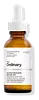 Key Ingredients
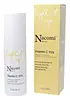
Benefits
Concerns
No concerns
Ingredients Side-by-side

Water
Skin ConditioningAscorbic Acid
Antioxidant






Glycerin
Humectant

Coco-Caprylate/Caprate
Emollient

Prunus Amygdalus Dulcis Oil
Skin Conditioning
Sodium Ascorbyl Phosphate
Antioxidant

Triethanolamine
BufferingAscorbyl Glucoside
Antioxidant
Rosa Canina Fruit Oil
Emollient
Lauryl Glucoside
CleansingPolyglyceryl-2 Dipolyhydroxystearate
Skin Conditioning
Xanthan Gum
EmulsifyingCellulose
Absorbent
Hectorite
AbsorbentCitric Acid
Buffering

Dehydroacetic Acid
Preservative
Benzyl Alcohol
Perfuming




Water, Ascorbic Acid, Glycerin, Coco-Caprylate/Caprate, Prunus Amygdalus Dulcis Oil, Sodium Ascorbyl Phosphate, Triethanolamine, Ascorbyl Glucoside, Rosa Canina Fruit Oil, Lauryl Glucoside, Polyglyceryl-2 Dipolyhydroxystearate, Xanthan Gum, Cellulose, Hectorite, Citric Acid, Dehydroacetic Acid, Benzyl Alcohol
Reviews
Ingredients Explained
These ingredients are found in both products.
Ingredients higher up in an ingredient list are typically present in a larger amount.
Ascorbyl Glucoside is a stable form of Vitamin C. It is created by combining glucose from starch.
When applied to skin, Ascorbyl Glucoside turns into Ascorbic Acid.
Ascorbyl Glucoside is an antioxidant. Antioxidants help fight free-radicals, or molecules that may damage skin cells.
It can help to reduce redness, improve skin texture, reduce the effects of aging, reduce the visibility of dark spots, and brighten skin.
Read more about other types of Vitamin C:
Learn more about Ascorbyl GlucosideTriethanolamine (TEA) is an emulsifier and pH adjuster. It is created using ethylene oxide and ammonia. This gives Triethanolamine a nitrogen core and a similar scent to ammonia.
As an emulsifier, it prevents ingredients from separating and enhances texture by adding volume to a product.
PH adjusters are common in cosmetic products. The pH of a product can affect the effectiveness of other ingredients. A product with a high pH may also irritate the skin.
If you are looking for the tea leaf ingredient, click here.
Learn more about TriethanolamineWater. It's the most common cosmetic ingredient of all. You'll usually see it at the top of ingredient lists, meaning that it makes up the largest part of the product.
So why is it so popular? Water most often acts as a solvent - this means that it helps dissolve other ingredients into the formulation.
You'll also recognize water as that liquid we all need to stay alive. If you see this, drink a glass of water. Remember to stay hydrated!
Learn more about WaterXanthan gum is used as a stabilizer and thickener within cosmetic products. It helps give products a sticky, thick feeling - preventing them from being too runny.
On the technical side of things, xanthan gum is a polysaccharide - a combination consisting of multiple sugar molecules bonded together.
Xanthan gum is a pretty common and great ingredient. It is a natural, non-toxic, non-irritating ingredient that is also commonly used in food products.
Learn more about Xanthan Gum
