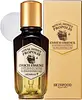
This hydrating essence is formulated around Propolis Extract and Royal Jelly Extract to hydrate skin and calm redness.
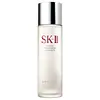
This barrier-repair essence is formulated around Galactomyces Ferment Filtrate to strengthen the skin barrier and hydrate skin.


What's inside
What's inside
 Key Ingredients
No key ingredients
Benefits
Concerns
Ingredients Side-by-side
Water
Skin ConditioningGlycerin
Humectant


Butylene Glycol
Humectant
Dipropylene Glycol
Humectant1,2-Hexanediol
Skin Conditioning
Portulaca Oleracea Extract
Skin Conditioning

Propolis Extract
Skin Conditioning

Carbomer
Emulsion StabilisingArginine
Masking
Royal Jelly Extract
Skin Conditioning
Lactobacillus Ferment
Skin Conditioning
Saccharomyces Ferment Filtrate
Humectant

Honey Extract
Humectant
Pentylene Glycol
Skin Conditioning
Sodium Hyaluronate
Humectant

Hydroxyethylcellulose
Emulsion StabilisingDisodium EDTA
ChelatingEthylhexylglycerin
Skin ConditioningBeta-Glucan
Skin Conditioning
Caprylyl Glycol
Emollient
Water, Glycerin, Butylene Glycol, Dipropylene Glycol, 1,2-Hexanediol, Portulaca Oleracea Extract, Propolis Extract, Carbomer, Arginine, Royal Jelly Extract, Lactobacillus Ferment, Saccharomyces Ferment Filtrate, Honey Extract, Pentylene Glycol, Sodium Hyaluronate, Hydroxyethylcellulose, Disodium EDTA, Ethylhexylglycerin, Beta-Glucan, Caprylyl Glycol





Reviews
Ingredients Explained
These ingredients are found in both products.
Ingredients higher up in an ingredient list are typically present in a larger amount.
Butylene Glycol (or BG) is used within cosmetic products for a few different reasons:
Overall, Butylene Glycol is a safe and well-rounded ingredient that works well with other ingredients.
Though this ingredient works well with most skin types, some people with sensitive skin may experience a reaction such as allergic rashes, closed comedones, or itchiness.
Learn more about Butylene GlycolPentylene Glycol (1,2-pentanediol) is a multitasking little diol with three main roles in a formula:
Research on alkanediols (the family pentylene glycol belongs to) show they work by disrupting microbial cell membranes. This disruption helps the primary preservative system in a product work more effectively at lower doses.
On the safety side, the Cosmetic Ingredient Review Expert Panel has concluded this ingredient to be safe as used in current cosmetic practices + concentrations.
Typical use levels in a formula run about 1-5%.
Learn more about Pentylene GlycolWater. It's the most common cosmetic ingredient of all. You'll usually see it at the top of ingredient lists, meaning that it makes up the largest part of the product.
So why is it so popular? Water most often acts as a solvent - this means that it helps dissolve other ingredients into the formulation.
You'll also recognize water as that liquid we all need to stay alive. If you see this, drink a glass of water. Remember to stay hydrated!
Learn more about Water

