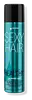
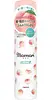
SexyHair Healthy Sexy Hair Laundry Day Dry Shampoo Versus Dariya Momori Fluffy & Smooth Hair Dry Shampoo


What's inside
What's inside
 Key Ingredients
Benefits
Concerns
Ingredients Side-by-side
Hydrofluorocarbon 152a
Alcohol Denat.
Antimicrobial




Dimethyl Ether
SolventAluminum Starch Octenylsuccinate
Absorbent
Zeolite
AbsorbentPropylene Glycol
Humectant
Water
Skin ConditioningSilica
Abrasive

Parfum
Masking

Panthenol
Skin Conditioning



Helianthus Annuus Seed Extract
Skin Conditioning
Butylene Glycol
Humectant
Limonene
Perfuming
Benzyl Salicylate
Perfuming
Butylphenyl Methylpropional
Perfuming
Benzyl Alcohol
Perfuming
Benzyl Benzoate
Antimicrobial
Hydroxycitronellal
Perfuming
Hydrofluorocarbon 152a, Alcohol Denat., Dimethyl Ether, Aluminum Starch Octenylsuccinate, Zeolite, Propylene Glycol, Water, Silica, Parfum, Panthenol, Helianthus Annuus Seed Extract, Butylene Glycol, Limonene, Benzyl Salicylate, Butylphenyl Methylpropional, Benzyl Alcohol, Benzyl Benzoate, Hydroxycitronellal
Propane
Alcohol
Antimicrobial
Aluminum Starch Octenylsuccinate
Absorbent
Propylene Glycol
Humectant
Menthol
Masking
Water
Skin ConditioningO-Cymen-5-Ol
Antimicrobial
Prunus Persica Kernel Oil
Emollient

Limonene
Perfuming
Caprylic/Capric Triglyceride
Masking
Prunus Persica Fruit Water
Masking
Butylene Glycol
Humectant
Camellia Sinensis Leaf
Perfuming
Phenoxyethanol
Preservative
Prunus Persica Leaf Extract
Emollient
Prunus Persica Fruit Extract
Abrasive
Tremella Fuciformis Extract
Humectant
Gamma-Docosalactone
Skin ConditioningParfum
Masking
Propane, Alcohol, Aluminum Starch Octenylsuccinate, Propylene Glycol, Menthol, Water, O-Cymen-5-Ol, Prunus Persica Kernel Oil, Limonene, Caprylic/Capric Triglyceride, Prunus Persica Fruit Water, Butylene Glycol, Camellia Sinensis Leaf, Phenoxyethanol, Prunus Persica Leaf Extract, Prunus Persica Fruit Extract, Tremella Fuciformis Extract, Gamma-Docosalactone, Parfum
Ingredients Explained
These ingredients are found in both products.
Ingredients higher up in an ingredient list are typically present in a larger amount.
Aluminum Starch Octenylsuccinate is a synthetic powder used as an absorbent, thickener, and anti-caking agent.
As an absorbent, it is great at mattifying skin by soaking up the oil. This is why you'll find it in a range of products from makeup to moisturizers.
This ingredient is considered a modified starch. Starch can also be found naturally in plants.
One study from 1991 found that 5% of this ingredient enhanced titanium dioxide SPF by as much as 40%. The study found 1% titanium dioxide had a 5.6 SPF and adding 5% of aluminum starch octenylsuccinate boosted it to an SPF of 8.1
Although “aluminum” in an ingredient name can raise red flags for some consumers, the form and usage context matter significantly. For typical topical applications, there is no substantial evidence of health risks - such as cancer, neurotoxicity, or systemic “aluminum overload.”
Learn more about Aluminum Starch OctenylsuccinateButylene Glycol (or BG) is used within cosmetic products for a few different reasons:
Overall, Butylene Glycol is a safe and well-rounded ingredient that works well with other ingredients.
Though this ingredient works well with most skin types, some people with sensitive skin may experience a reaction such as allergic rashes, closed comedones, or itchiness.
Learn more about Butylene GlycolLimonene is the compound that gives citrus peel its smell.
In skincare, it shows up as a standalone fragrance ingredient or as a natural compound of citrus and other essential oils.
You'll typically see this ingredient used in very small amounts; anything above 0.001% in a leave-on product or 0.01% in a rinse-off has to be named on the label in the EU. The citrus oils that carry it sit around 0.5-1% in a finished formula.
Fresh limonene is a weak allergen; the real issue is that it slowly reacts with air and then breaks down from oxidation to create hydroperoxides (which are strong sensitizers). This is why suppliers are required to keep the peroxide value below 20 mmol.
Positive reactions in people being investigated for eczema vary:
It's worth skipping if you have a known fragrance allergy or a compromised barrier, but the risk is low for most people.
Older or long-opened products are also more likely to bother you than fresh ones due to oxidation.
Learn more about LimoneneParfum is a catch-all term for an ingredient or more that is used to give a scent to products.
Also called "fragrance", this ingredient can be a blend of hundreds of chemicals or plant oils. This means every product with "fragrance" or "parfum" in the ingredients list is a different mixture.
For instance, Habanolide is a proprietary trade name for a specific aroma chemical. When used as a fragrance ingredient in cosmetics, most aroma chemicals fall under the broad labeling category of “FRAGRANCE” or “PARFUM” according to EU and US regulations.
The term 'parfum' or 'fragrance' is not regulated in many countries. In many cases, it is up to the brand to define this term.
For instance, many brands choose to label themselves as "fragrance-free" because they are not using synthetic fragrances. However, their products may still contain ingredients such as essential oils that are considered a fragrance by INCI standards.
One example is Calendula flower extract. Calendula is an essential oil that still imparts a scent or 'fragrance'.
Depending on the blend, the ingredients in the mixture can cause allergies and sensitivities on the skin. Some ingredients that are known EU allergens include linalool and citronellol.
Parfum can also be used to mask or cover an unpleasant scent.
The bottom line is: not all fragrances/parfum/ingredients are created equally. If you are worried about fragrances, we recommend taking a closer look at an ingredient. And of course, we always recommend speaking with a professional.
Learn more about ParfumPropylene Glycol is a synthetic, colorless, odorless liquid that has been a staple in cosmetics for decades. It is a skin conditioning agent, humectant, and solvent.
As a humectant, it draw water to the skin to reduce flaking and restore suppleness. It's also a solvent that helps dissolve other actives and keeps formulas stable across temperature changes.
The CIR Expert Panel has confirmed this ingredient to be nontoxic and clinical studies show no sensitization at cosmetic use concentrations.
True allergic reactions are quite rare: a 15-year retrospective study of 6,751 patients found only 0.31% had a positive reaction (and less than half were considered clinically relevant).
It seemed that when sensitization does occur, it's most commonly linked to topical medication (like corticosteroids) and not cosmetics. Allergic contact dermatitis also appears largely limited to individuals with underlying skin conditions.
Overall, propylene glycol is a well-studied ingredient that most people can tolerate without issue.
Learn more about Propylene GlycolWater. It's the most common cosmetic ingredient of all. You'll usually see it at the top of ingredient lists, meaning that it makes up the largest part of the product.
So why is it so popular? Water most often acts as a solvent - this means that it helps dissolve other ingredients into the formulation.
You'll also recognize water as that liquid we all need to stay alive. If you see this, drink a glass of water. Remember to stay hydrated!
Learn more about Water

