

What's inside
What's inside
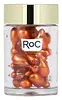 Key Ingredients
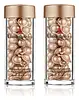
Benefits
Ingredients Side-by-side
Dimethicone
Emollient

Ascorbic Acid
Antioxidant





Trisiloxane
Skin Conditioning
Dimethiconol
Emollient
Silica Dimethyl Silylate
EmollientTroxerutin
Skin Conditioning
Rubus Idaeus Leaf Cell Culture
Skin ConditioningPolygonum Aviculare Extract
EmollientTerminalia Ferdinandiana Fruit Extract
Antioxidant
Water
Skin ConditioningCaprylic/Capric Triglyceride
Masking


Diethylhexyl Syringylidenemalonate
Skin ProtectingGlycerin
Humectant
Potassium Sorbate
Preservative
Sodium Benzoate
Masking
Dimethicone, Ascorbic Acid, Trisiloxane, Dimethiconol, Silica Dimethyl Silylate, Troxerutin, Rubus Idaeus Leaf Cell Culture, Polygonum Aviculare Extract, Terminalia Ferdinandiana Fruit Extract, Water, Caprylic/Capric Triglyceride, Diethylhexyl Syringylidenemalonate, Glycerin, Potassium Sorbate, Sodium Benzoate
Dicaprylyl Carbonate
EmollientCoco-Caprylate/Caprate
Emollient
Dimer Dilinoleyl Dimer Dilinoleate
EmollientTetrahexyldecyl Ascorbate
Antioxidant
Tocopheryl Acetate
Antioxidant
C12-15 Alkyl Benzoate
AntimicrobialCaprylic/Capric Triglyceride
Masking
Ceramide NP
Skin Conditioning

Ceramide Ns
Skin Conditioning
Diethylhexyl Syringylidenemalonate
Skin ProtectingGlyceryl Dioleate
Emollient
Helianthus Annuus Seed Oil
Emollient
Olea Europaea Fruit Oil
Masking
Persea Gratissima Oil
Skin Conditioning
Phytosphingosine
Skin Conditioning
Phytosterols
Skin Conditioning
Propylene Glycol Dicaprylate/Dicaprate
EmollientSclareolide
Masking
Tocopherol
Antioxidant
Triolein
Skin Conditioning
Phenoxyethanol
Preservative
Dicaprylyl Carbonate, Coco-Caprylate/Caprate, Dimer Dilinoleyl Dimer Dilinoleate, Tetrahexyldecyl Ascorbate, Tocopheryl Acetate, C12-15 Alkyl Benzoate, Caprylic/Capric Triglyceride, Ceramide NP, Ceramide Ns, Diethylhexyl Syringylidenemalonate, Glyceryl Dioleate, Helianthus Annuus Seed Oil, Olea Europaea Fruit Oil, Persea Gratissima Oil, Phytosphingosine, Phytosterols, Propylene Glycol Dicaprylate/Dicaprate, Sclareolide, Tocopherol, Triolein, Phenoxyethanol
Ingredients Explained
These ingredients are found in both products.
Ingredients higher up in an ingredient list are typically present in a larger amount.
Caprylic/Capric Triglyceride (aka MCT Oil) is a lightweight emollient, solvent, and texture enhancer. It is considered a skin-softener by helping to prevent moisture loss.
Though it behaves like an oil, it is not technically one due to its chemical composition. One perk of this ingredient is that it is very stable, resistant to oxidation, and unlikely to go rancid.
In practice, that translates to a long shelf life and a consistently elegant skin feel.
While there is an assumption Caprylic Triglyceride can clog pores due to it being derived from coconut oil, there is no research supporting this. Just patch test if you have concerns.
Fractionated coconut oil and MCT Oil are both listed as Caprylic/Capric Triglyceride according to INCI. This is because INCI names are based on the ingredient’s final chemical composition and not its marketing name or source.
This ingredient is treated as the gold standard fungal acne safe oil. Even though it is coconut derived, the problematic lauric acid is stripped out.
This leaves just caprylic (C8) and capric (C10) acid. These chain lengths actually trend antifungal; a 2020 study found caprylic acid was enough to disrupt Malassezia furfur cell membrane, with a caprylic acid derivative damaging membrane structures at concentrations as low as 0.2%.
Learn more about Caprylic/Capric TriglycerideDiethylhexyl Syringylidenemalonate (DESM) is a photostabilizer, antioxidant, and SPF booster.
One of DESM's main roles is stabilizing UV filters, especially avobenzone. Avobenzone is notoriously unstable when exposed to sunlight. By enhancing the stability of these filters, DESM helps maintain the sunscreen's effectivess through wear. It also helps improve protection against long-wave UVA rays by increasing the wavelength of the formula.
Besides enhancing UVA protection, DESM can boost the SPF of high-SPF formulations by up to 5 units.
DESM also preserves the color integrity of cosmetic products and helps reduce the chance of yellowing of fading due to light exposure.
This ingredient is typically found in concentrations between 0.3% - 0.5%. There are currently no maximum usage limits by regulatory bodies.
Though this ingredient is a chemical UV filter, it can often be found in "100% mineral" sunscreens. This is due to regulatory loopholes.
Learn more about Diethylhexyl Syringylidenemalonate
