

What's inside
What's inside
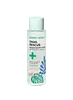 Key Ingredients
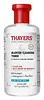
Benefits
Concerns
Ingredients Side-by-side


Salicylic Acid 2%
Masking









Water
Skin ConditioningSodium Borate
BufferingMelaleuca Alternifolia Leaf Oil
Antioxidant



Hamamelis Virginiana Bark/Leaf/Twig Extract
Skin Conditioning
Cymbopogon Flexuosus Oil
Masking
Aloe Barbadensis Leaf Extract
Emollient


Aloe Barbadensis Leaf Juice
Skin Conditioning
Cocamidopropyl Betaine
Cleansing
Glycerin
Humectant

Caprylyl Glycol
Emollient
Citric Acid
Buffering
Decyl Glucoside
Cleansing
Ethylhexylglycerin
Skin ConditioningTocopherol
Antioxidant


Phenoxyethanol
Preservative
Geraniol
Perfuming
Farnesol
Perfuming
Limonene
Perfuming
Citral
Perfuming
Salicylic Acid 2%, Water, Sodium Borate, Melaleuca Alternifolia Leaf Oil, Hamamelis Virginiana Bark/Leaf/Twig Extract, Cymbopogon Flexuosus Oil, Aloe Barbadensis Leaf Extract, Aloe Barbadensis Leaf Juice, Cocamidopropyl Betaine, Glycerin, Caprylyl Glycol, Citric Acid, Decyl Glucoside, Ethylhexylglycerin, Tocopherol, Phenoxyethanol, Geraniol, Farnesol, Limonene, Citral
Reviews
Ingredients Explained
These ingredients are found in both products.
Ingredients higher up in an ingredient list are typically present in a larger amount.
Citric Acid is an alpha hydroxy acid (AHA) naturally found in citrus fruits like oranges, lemons, and limes.
Like other AHAs, citric acid can exfoliate skin by breaking down the bonds that hold dead skin cells together. This helps reveal smoother and brighter skin underneath.
However, this exfoliating effect only happens at high concentrations (20%) which can be hard to find in cosmetic products.
Due to this, citric acid is usually included in small amounts as a pH adjuster. This helps keep products slightly more acidic and compatible with skin's natural pH.
In skincare formulas, citric acid can:
While it can provide some skin benefits, research shows lactic acid and glycolic acid are generally more effective and less irritating exfoliants.
Most citric acid used in skincare today is made by fermenting sugars (usually from molasses). This synthetic version is identical to the natural citrus form but easier to stabilize and use in formulations.
Read more about some other popular AHA's here:
Learn more about Citric AcidEthylhexylglycerin is created from glycerin. It is a multitasker ingredient that:
The CIR Expert Panel found minimal skin absorption or sensitization of any kind in a safety assessment. Though this ingredient is considered well-tolerated, a small number of cases of allergic dermatitis have been published since 2002. Just be sure to patch test if you are unsure.
Industry-reported use ranges from 8% in rinse-off products and 2% in leave-on formulations.
Learn more about EthylhexylglycerinTocopherol is a fat-soluble antioxidant known as Vitamin E.
You'll find this ingredient in the vast majority of skincare (for good reason). It works to neutralize free radicals, or unstable molecules generated by UV exposure, pollution, and other environmental stressors, before they can cause oxidative damage to your skin cells.
Topically applied tocopherol has been shown to protect against UV damage by ramping up the skin's own natural defense enzymes.
It also acts as a skin conditioning agent; some studies show that regular topical use can improve the skin's water-binding capacity over 2-4 weeks.
This ingredient is especially loved for being a team player. When combined with Vitamin C, the photoprotective effect of both ingredients roughly doubles and the combo also helps reduce UV-induced DNA damage.
This ingredient has some brightening potential but it's more of a prevention ingredient than spot-fader. Cell studies show it can slow down melanin production but it's worth noting that it's not the most powerful brightener out there.
In formulations, it also serves as a stabilizer that helps protect other oxidation-prone ingredients from degrading.
Concentrations usually range from 0.1-1% in most leave-on products.
Learn more about Tocopherol

