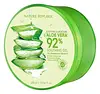
This calming moisturizer is formulated around Aloe Barbadensis Leaf Juice and Calendula Officinalis Flower Extract to calm redness and hydrate skin.
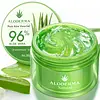
This calming overnight mask is formulated around Aloe Barbadensis Leaf Juice to calm redness and hydrate skin.


What's inside
What's inside
 Key Ingredients
Benefits
Concerns
No concerns
Ingredients Side-by-side
Water
Skin ConditioningDipropylene Glycol
HumectantButylene Glycol
Humectant

Alcohol
Antimicrobial




Glycerin
Humectant
1,2-Hexanediol
Skin Conditioning
Aloe Barbadensis Leaf Juice
Skin Conditioning

Betaine
Humectant
Calendula Officinalis Flower Extract
Masking
Carbomer
Emulsion StabilisingDisodium EDTA
ChelatingGlyceryl Polyacrylate
Melissa Officinalis Leaf Extract
Skin ConditioningMentha Viridis Extract
MaskingParfum
Masking
PEG-60
HumectantHydrogenated Castor Oil
Emollient

Polyglutamic Acid
Skin Conditioning
Propylene Glycol
Humectant
Sodium Hyaluronate
Humectant

Triethanolamine
BufferingPhenoxyethanol
Preservative
Butylphenyl Methylpropional
Perfuming
Linalool
Perfuming
Water, Dipropylene Glycol, Butylene Glycol, Alcohol, Glycerin, 1,2-Hexanediol, Aloe Barbadensis Leaf Juice, Betaine, Calendula Officinalis Flower Extract, Carbomer, Disodium EDTA, Glyceryl Polyacrylate, Melissa Officinalis Leaf Extract, Mentha Viridis Extract, Parfum, PEG-60, Hydrogenated Castor Oil, Polyglutamic Acid, Propylene Glycol, Sodium Hyaluronate, Triethanolamine, Phenoxyethanol, Butylphenyl Methylpropional, Linalool

Reviews
Ingredients Explained
These ingredients are found in both products.
Ingredients higher up in an ingredient list are typically present in a larger amount.
1,2-Hexanediol is a synthetic liquid and another multi-functional powerhouse.
It is a:
- Humectant, drawing moisture into the skin
- Emollient, helping to soften skin
- Solvent, dispersing and stabilizing formulas
- Preservative booster, enhancing the antimicrobial activity of other preservatives
Aloe Barbadensis Leaf Juice is the filtered, stabilized liquid pressed from the inner gel of the aloe vera leaf.
In cosmetics, it shows up as either soothing active or a water-replacement base. It is roughly 98-99% water and the last 1-2% is an interesting mix of polysaccharides, amino acids, vitamins, minerals, and enzymes.
The polysaccharides do most of the work: they bind water at the skin surface for a light, non-greasy hydration boost. And one of the polysaccharides, glycomannan, is linked to fibroblast stimulation + collagen synthesis. This is also why aloe has such a long track record in wound and burn healing.
This ingredient is also calming with anti-inflammatory and mild antimicrobial activity, making it a great pick for sensitive, irritated, or post-sun skin.
Realistic expectations matter though; the solid evidence is mostly limited to hydration, soothing, and wound support. Deeper claims about anti-aging or sun protection are not well backed, and science reviews note it does not prevent radiation-induced skin injury.
Because it plays well with almost everything, it's commonly used as a base alongside other actives like niacinamide or vitamin C.
Typical usage concentrations range from 0.5% (where hydration benefits already show up) all the way to 90%+ (where it replaces water as the main base).
The safety for this ingredient is well-establish as well. Overall, this is a great supporting ingredient for those who want a boost in hydration.
Learn more about Aloe Barbadensis Leaf JuiceButylene Glycol (or BG) is used within cosmetic products for a few different reasons:
Overall, Butylene Glycol is a safe and well-rounded ingredient that works well with other ingredients.
Though this ingredient works well with most skin types, some people with sensitive skin may experience a reaction such as allergic rashes, closed comedones, or itchiness.
Learn more about Butylene GlycolCarbomer is a synthetic thickening and gelling agent. It's basically the ingredient that gives a lot of serums, gels, creams, and sunscreens their smooth, non-sticky texture.
Although legally permitted at very high levels, carbomers are normally used at concentrations below 1%.
It also needs to be neutralized to actually thicken, and because it is a large molecule, it doesn't really penetrate the skin barrier.
Allergy-wise, the risk is very low. Clinical studies show carbomers have low potential for skin irritation/sensitization even at concentrations up to 100%.
A 2024 UK study patch-tested 1,302 patients and found true allergy to the parent group of carbomer to be rare with no confirmed relevant reactions.
Learn more about CarbomerDisodium EDTA is a chelating agent. It grabs onto and deactivates metal ions that sneak into your products from water, packaging, or air.
This ingredient mainly works behind the scenes and helps with:
On top of that, this ingredient can counteract the effects of hard water by binding to the minerals in it.
One thing worth knowing is that Disodium EDTA has been shown to be a mild penetration enhancer. It can help other ingredients absorb into skin more effectively which can be a double-edged sword (great for actives, but can also make the active too strong if you have sensitive skin).
Clinical patch testing showed no significant skin irritation at typical use concentrations and minimal dermal absorption.
You'll most likely see this ingredient near the end of an ingredient list. It's typically found in concentrations less than 1%.
Learn more about Disodium EDTA


