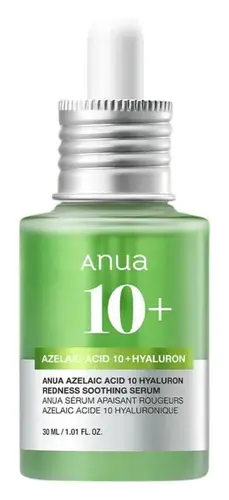
My Scheming BB Amino Mandelic Acid 10% Serum Versus My Scheming BB Amino Niacinamide 10% + Algae Serum
This smoothing serum is formulated around Mandelic Acid to refine skin texture and clear breakouts.
This hydrating serum is formulated around Panthenol and Sodium Hyaluronate to hydrate skin and strengthen the skin barrier.
What's inside
What's inside
 Key Ingredients
Benefits
Concerns
No concerns
Ingredients Side-by-side
Dipropylene Glycol
HumectantWater
Skin ConditioningMandelic Acid
Antimicrobial










Potassium Hydroxide
BufferingPhenoxyethanol
Preservative
Chlorphenesin
Antimicrobial
Citric Acid
Buffering
Sodium Citrate
BufferingGlycerin
Humectant

Ethylhexylglycerin
Skin ConditioningButylene Glycol
Humectant
Centella Asiatica Leaf Extract
Skin Conditioning

Potassium Carbonate
BufferingTripleurospermum Maritimum Extract
Skin ProtectingSorbic Acid
Preservative
Water
Skin ConditioningButylene Glycol
Humectant
Panthenol
Skin Conditioning
Hydroxyacetophenone
Antioxidant
Sodium Hyaluronate
Humectant
Xylitylglucoside
Humectant
Anhydroxylitol
Humectant
Phenoxyethanol
Preservative
Xylitol
Humectant
Glycosyl Trehalose
Emulsion StabilisingPentylene Glycol
Skin Conditioning
Sodium Hyaluronate Crosspolymer
Humectant
Hydrogenated Starch Hydrolysate
HumectantHydroxypropyltrimonium Hyaluronate
Sodium Acetylated Hyaluronate
Humectant
Caffeine
Skin Conditioning
Glucose
Humectant
Siloxanetriol Alginate
Skin ConditioningHydrolyzed Hyaluronic Acid
Humectant
Biosaccharide Gum-1
Humectant
Sclerotium Gum
Emulsion StabilisingSodium Methylparaben
Preservative
Sorbic Acid
Preservative
Propylparaben
Preservative
Polyglutamic Acid
Skin Conditioning
Water, Butylene Glycol, Panthenol, Hydroxyacetophenone, Sodium Hyaluronate, Xylitylglucoside, Anhydroxylitol, Phenoxyethanol, Xylitol, Glycosyl Trehalose, Pentylene Glycol, Sodium Hyaluronate Crosspolymer, Hydrogenated Starch Hydrolysate, Hydroxypropyltrimonium Hyaluronate, Sodium Acetylated Hyaluronate, Caffeine, Glucose, Siloxanetriol Alginate, Hydrolyzed Hyaluronic Acid, Biosaccharide Gum-1, Sclerotium Gum, Sodium Methylparaben, Sorbic Acid, Propylparaben, Polyglutamic Acid
Ingredients Explained
These ingredients are found in both products.
Ingredients higher up in an ingredient list are typically present in a larger amount.
Butylene Glycol (or BG) is used within cosmetic products for a few different reasons:
Overall, Butylene Glycol is a safe and well-rounded ingredient that works well with other ingredients.
Though this ingredient works well with most skin types, some people with sensitive skin may experience a reaction such as allergic rashes, closed comedones, or itchiness.
Learn more about Butylene GlycolPhenoxyethanol is one of the most widely used preservatives in skincare (and for good reason!).
It has a large spectrum of antimicrobial activity and especially effective bacteria, yeast, and mold while only having a weak effect on your skin's natural microbiome.
On a cellular level, it disrupts the cell membranes of microbes by poking holes that make the cell leak. This shuts down the chemical reactions the microbe needs to make energy so it can no longer survive.
Another perk of this ingredient is that it stays functional across a wide pH range (3-10).
You'll often see it paired with boosters like Ethylhexylglycerin; one study showed that a 1:9 ratio of Ethylhexylglycerin to Phenoxyethanol damages bacterial membranes as effectively as doubling the Phenoxyethanol concentration on its own.
Typical use concentrations range from 0.3-1% depending on the formula, and this ingredient is capped at 1% int the EU.
Safety-wise, the fear mongering does not hold up to the evidence. The EU's Scientific Committee on Consumer Safety and FDA consider it safe as a preservative at up to 1%, including for children of all ages.
Adverse systemic effects only showed up in animal studies at exposures roughly 200x higher than what people get from cosmetics. And despite its very widespread use, this ingredient is a rare sensitizer and allergic reactions are uncommon.
Learn more about PhenoxyethanolSorbic Acid is a preservative that stops your product from spoiling by stopping microbes from growing.
As a preservative, it's kind of a specialist: it has a broad spectrum of activity against yeast and molds but is weaker against bacteria. That's why it's often paired with another preservative to cover that gap.
This ingredient is also pretty picky about pH; it performs best at pH 6.5 or below.
At the right pH level, sorbic acid is "active" and can slip through the outer wall of a microbe. Once inside, it turns the cell's interior more acidic to shut down the microbe from the inside.
The EU caps this ingredient at 0.6% while the CIR has concluded it's safe at concentrations up to 1%. It's most often used around 0.05-0.2% in cosmetics.
Though this ingredient is considered low-sensitizing and well-tolerated, a very small number of people may have a contact allergy to it. Be sure to patch test if you have a history of allergies towards preservatives.
Learn more about Sorbic AcidWater. It's the most common cosmetic ingredient of all. You'll usually see it at the top of ingredient lists, meaning that it makes up the largest part of the product.
So why is it so popular? Water most often acts as a solvent - this means that it helps dissolve other ingredients into the formulation.
You'll also recognize water as that liquid we all need to stay alive. If you see this, drink a glass of water. Remember to stay hydrated!
Learn more about Water